



Period Window Seat
When you search for period window seat, you find robust wooden benches and stools designed for light beside glazing.
Period Window Seat
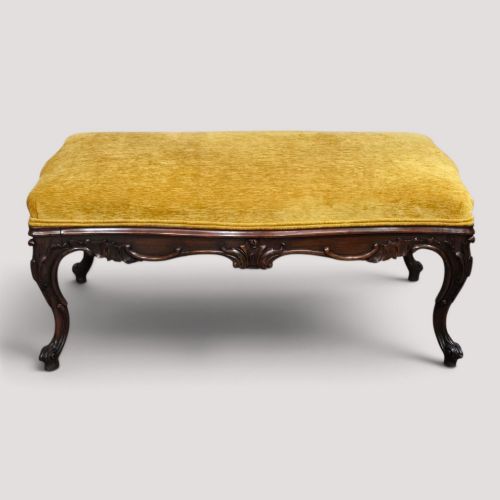
A period window seat serves as a firm place to sit near natural light, taking the form of stools, benches, and converted coffers or linen chests. These pieces originate from eras spanning the late seventeenth century through the nineteenth century, including Georgian and Regency epochs.
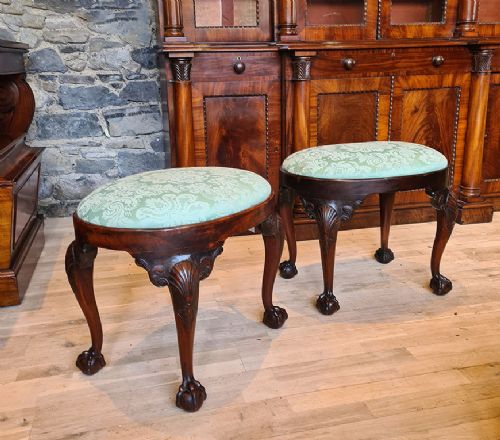
The versions most commonly met on this page include mahogany and oak benches alongside upholstered stools and carved chests adapted for seating. Makers utilised durable hardwoods like mahogany, rosewood, and oak to construct these items, often integrating fabric upholstery, leather, or tapestry.
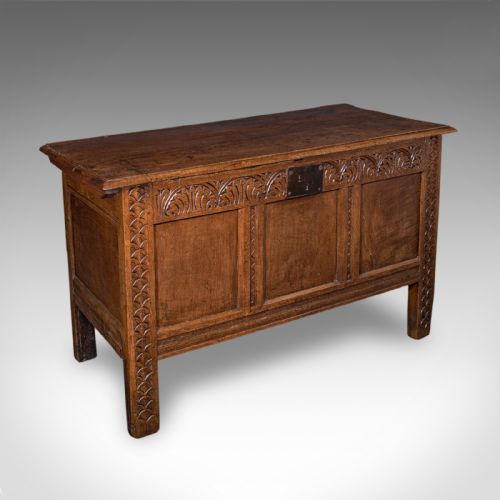
Forms range from large Regency hall benches and waisted ottomans to early Georgian and William III carved coffers functioning as window seats. Each piece reflects the functional domestic requirements of its original period.
How they were made
Craftsmen shaped these items using solid timbers such as oak, mahogany, and rosewood, applying hand-carving techniques to the wood structures. Oak coffers and chests feature detailed panel work and carved surface decoration.
Upholstered variants rely on textile coverings including fabric upholstery, leather, and tapestry stretched over internal padding. Structural elements occasionally incorporate iron for reinforcement or support.
Some oak linen chests from the William III period quietly moonlighted as comfortable window seats centuries before anyone invented the cushion.
What varies in quality
The refinement of the timber and the crispness of the hand-carving distinguish finer examples from simpler vernacular pieces. Dense grain in mahogany or oak and deep, well-defined carving indicate superior construction.
The integrity of the upholstery materials and the original structural joinery determine the longevity and condition of the piece. Subtle details in the turning of legs and the selection of veneer showcase the maker's skill.
Gillows of Lancaster
The Period Window Seat Glossary
- Coffer
- A large wooden chest traditionally used for storage that frequently doubles as a window seat. These sturdy boxes are typically constructed from oak with hinged lids.
- Regency
- A design period spanning the early nineteenth century characterised by classical revival motifs and refined woods like rosewood and mahogany. Pieces from this era often display clean lines and elegant proportions.
- Chippendale
- A style of eighteenth-century English furniture named after cabinetmaker Thomas Chippendale, known for sophisticated mahogany construction and carved details. Settees and chairs from this tradition exhibit graceful curves.
- Ebonized
- Wood treated with a dark finish to imitate expensive ebony. This technique appears on nineteenth-century pieces from the aesthetic movement.
Period Window Seat: Frequently Asked Questions
What is a period window seat?
A period window seat is a sturdy bench, stool, or chest built to fit beneath domestic glazing for sitting and resting. These items span various historical epochs and employ traditional timbers.
They combine practical seating with storage or decorative presence within a room.
How were window seats used historically?
Historically, occupants placed these long stools and benches near casement windows to catch natural light for reading or needlework. Large coffers and chests also served a dual purpose for storing household linens while providing a place to sit.
Their placement in hallways or bays made them versatile pieces of interior furniture.
How do I identify a Regency window seat?
Regency window seats often feature mahogany or rosewood timbers with classical stylistic influences from the early nineteenth century. They appear as large hall benches, waisted ottomans, or large stools.
Their design reflects the refined tastes and classical motifs popular during that era.
What materials are common in these seats?
Common materials include solid hardwoods such as oak, mahogany, and rosewood, alongside iron structural elements. Upholstered versions utilise fabric, leather, or tapestry coverings.
Older examples from the seventeenth and eighteenth centuries predominantly feature carved oak and mahogany.