



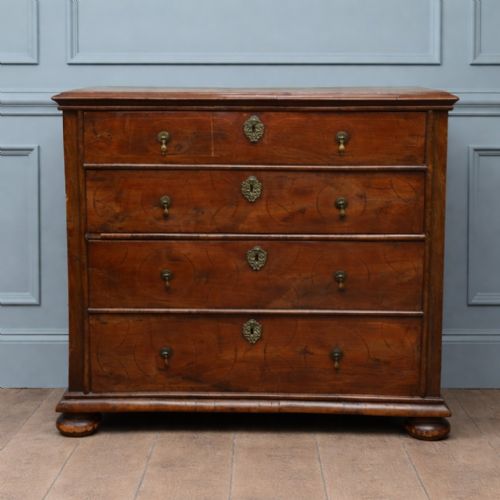
Period Walnut Storage
Period walnut storage brings warmth and architectural precision to a room, offering centuries-old craftsmanship in chests, cabinets and boxes.
Period Walnut Storage
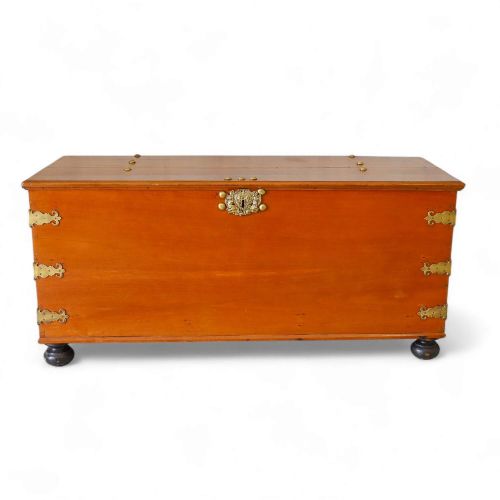
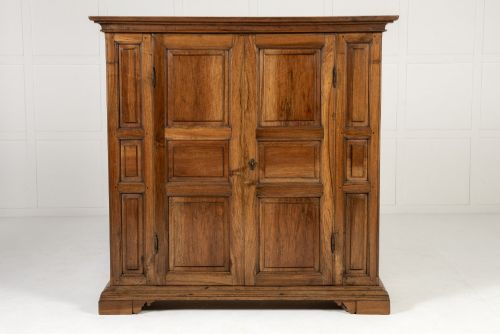
Period walnut storage encompasses substantial chests of drawers, cabinets on stands, commodes and smaller caskets originating primarily from the seventeenth and eighteenth centuries. These items reflect the domestic habits of earlier households, providing secure containment for clothing, linens, valuables and tea.
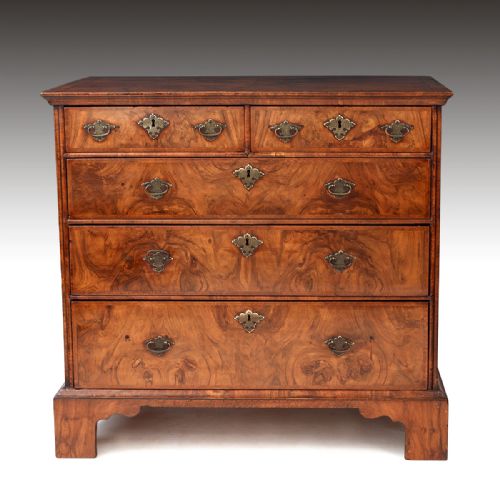
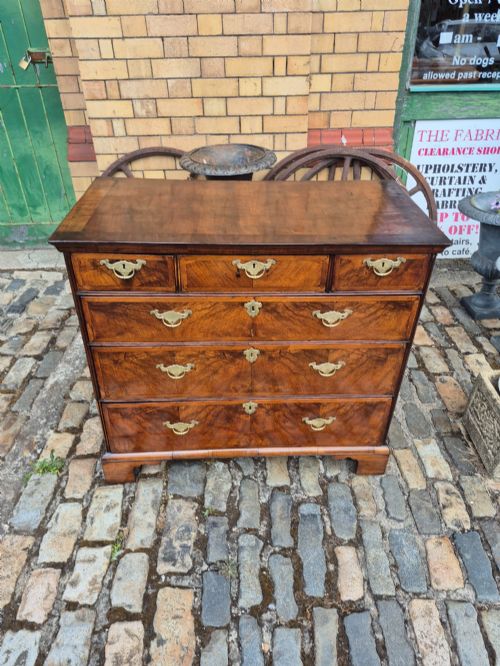
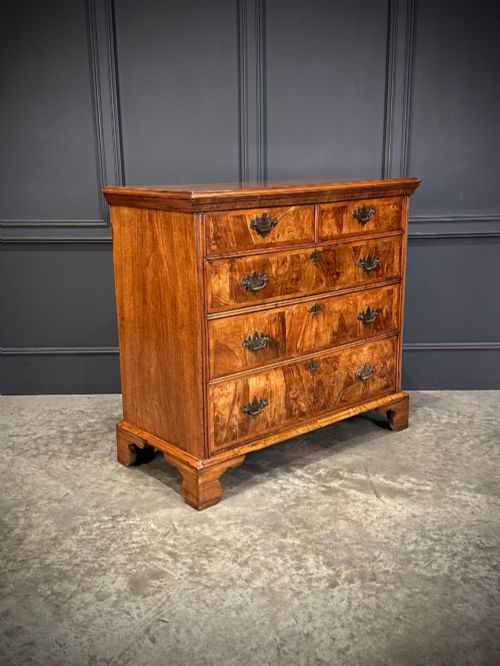
Chest of drawers forms dominate the selection, appearing in styles ranging from severe William and Mary and Queen Anne designs to refined Georgian iterations. Buyers encounter dark patinated surfaces alongside lighter burr walnut variants, reflecting shifting aesthetic preferences across British, French, Italian and German workshops.
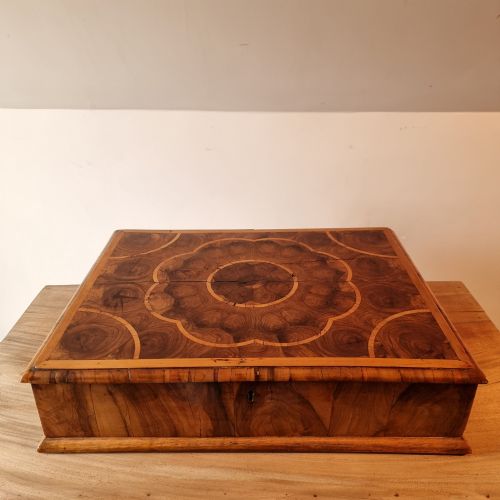
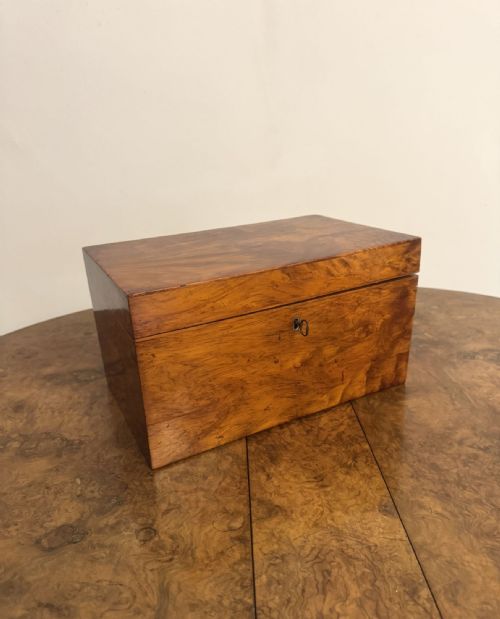
Beyond large case furniture, smaller storage vessels such as lace boxes, tea caddies and games boxes demonstrate equal attention to fine joinery. These smaller formats utilise intricate parquetry and oyster veneering to ornament compact spaces.
Materials and construction
Cabinetmakers built carcass structures using native timbers like oak and pine, applying choice veneers of walnut, burr walnut and olive to visible exterior surfaces. This method allowed craftsmen to display striking grain patterns while maintaining structural stability.
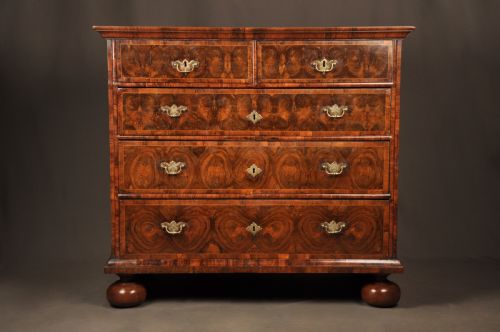
Surface ornamentation relied on specialised techniques including feather-banding, marquetry and oyster veneering, where small cross-sections of branch wood create repetitive circular patterns. Brass drop handles and escutcheons completed the construction, fastened with hand-cut screws and pins.
Listings feature seventeenth and eighteenth-century periods alongside nineteenth-century iterations, utilising walnut, burr walnut, olive, oak and fruitwood.
Judging quality and integrity
Quality rests heavily on the preservation of original timber surfaces, natural patination and the integrity of the underlying carcass. Pieces retaining their initial drawer linings, backboards and brass hardware command greater attention from discerning collectors.
The precision of the veneering and inlay work dictates the distinction between standard utilitarian items and masterworks of the period. Subtle details such as the alignment of grain across drawer fronts and the delicacy of feather-banded borders reveal the hand of a skilled maker.
The Period Walnut Storage Glossary
- Oyster veneer
- A decorative surface formed by slicing small branches across the grain to produce oval rings resembling oyster shells. This technique flourished during the late seventeenth century on cabinets and chests.
- Marquetry
- The art of forming decorative patterns by fitting together thin veneers of different coloured woods. It transforms plain drawer fronts and top surfaces into pictorial displays.
- Feather-banding
- An inlay technique utilising thin strips of wood arranged in a herringbone pattern around the borders of drawer fronts. It frames the primary walnut grain to create visual depth.
- Commode
- A low chest of drawers or cabinet developed in France during the eighteenth century. These pieces often feature serpentine outlines and marble tops.
- Cabinet on stand
- A raised storage cabinet supported by a distinct frame or base structure. This form elevated important documents and valuables above damp floor levels.
Period Walnut Storage: Frequently Asked Questions
How do I date a walnut chest?
Dating relies on examining construction methods, timber choices and hardware styles across the piece. Dovetail joints on drawers, backboard thickness and the presence of cross-grain mouldings offer clear chronological clues.
Stylistic markers such as bracket feet, cabriole legs or plinth bases further narrow the decade of manufacture. Comparing these elements with documented examples from the seventeenth and eighteenth centuries ensures accurate attribution.
Where should I place antique walnut storage?
Position these pieces away from direct sunlight and sudden temperature shifts to protect fragile seventeenth and eighteenth-century veneers. Stable indoor humidity prevents the walnut timbers from drying and splitting.
Allow sufficient clearance against walls to maintain natural air circulation around the timber carcass. Using breathable floor surfaces beneath heavy chests preserves both the piece and the flooring.
How do I clean antique walnut surfaces?
Dust surfaces regularly with a soft, dry lint-free cloth to prevent particulate accumulation. Avoid modern silicone polishes that penetrate the historic grain and attract dirt over time.
Apply microcrystalline wax sparingly when the timber appears dry, buffing gently to restore the natural sheen. Professional conservation advice should be sought for deep cleaning or repairing damaged veneer.
What is the difference between a chest and a commode?
English chests of drawers generally feature strict rectangular proportions designed purely for stacking interior storage space. Their development focused on utility within seventeenth and eighteenth-century domestic bedchambers.
Commodes represent continental European design, typically displaying curved serpentine outlines, marquetry and occasionally marble tops. These pieces served decorative reception rooms as much as functional storage.