



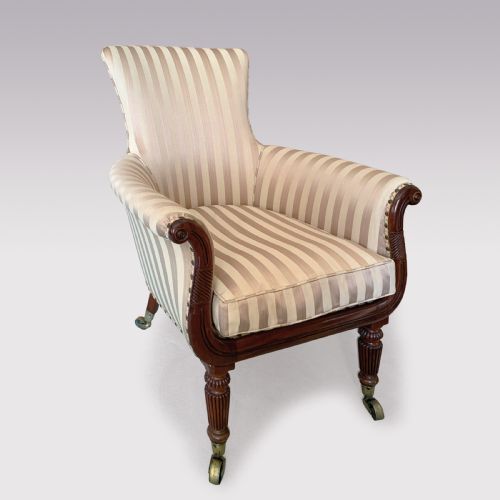


Period Upholstery Chair
Period upholstery chairs bring genuine historic comfort to a room, offering tactile textiles and sturdy timber frames that hold an interior together.
Period Upholstery Chair
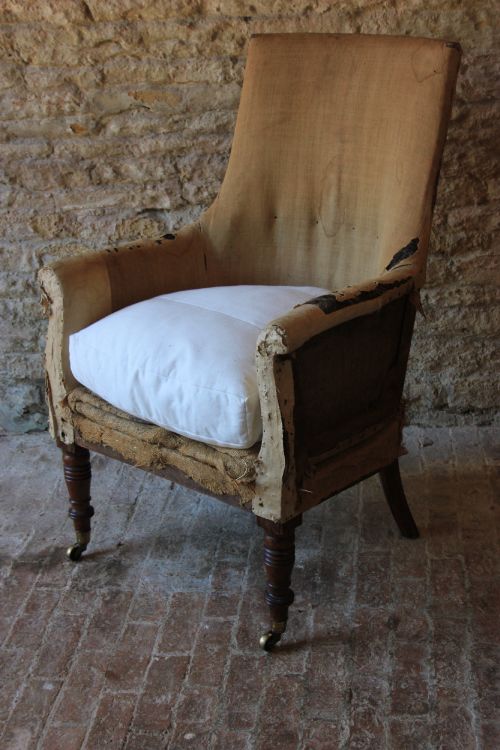
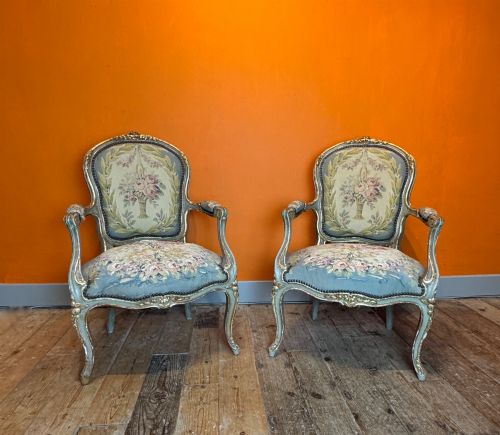
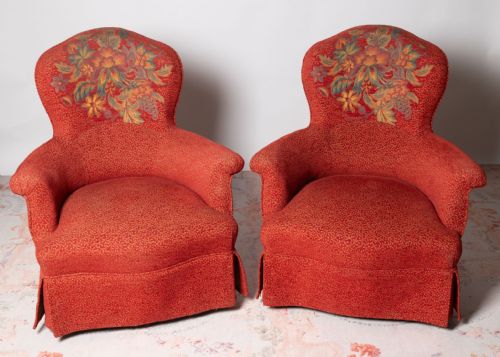
A period upholstery chair represents centuries of seating design, spanning from the restrained elegance of the Georgian era through Regency, Victorian, and Edwardian periods. When you search for a period upholstery chair, you encounter everything from stately library armchairs and wingbacks to sets of mahogany dining chairs and occasional salon suites.
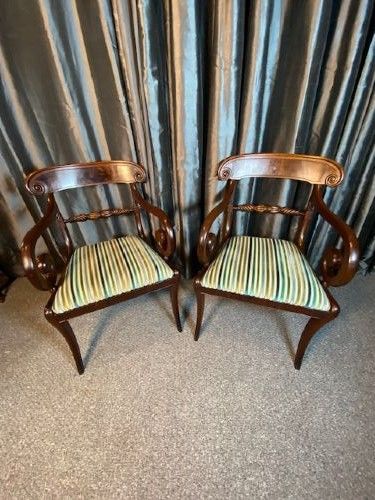
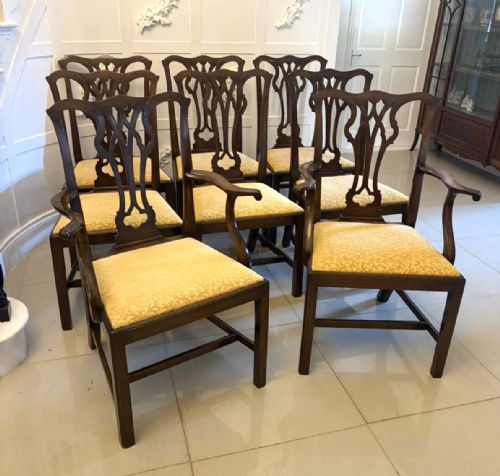
The most common examples on this page are sturdy nineteenth-century mahogany dining sets and individual Victorian or Edwardian armchairs ready for placement or restoration. These pieces bridge the gap between functional seating and historic furniture art, often retaining their original structural character beneath layers of textile.
Origins vary across English workshops and continental French makers, incorporating stylistic revivals such as French Louis XV, Sheraton, and Chippendale. Whether you select a low-slung tub chair or a high-backed fireside seat, each item carries the distinct proportions of its decade.
Materials and Construction
Framing relies predominantly on dense timbers like mahogany, fruitwood, and general hardwood, chosen for structural longevity and carved detailing. Joinery methods utilise traditional dowels, mortise and tenon joints, and occasional parcel gilt finishes.
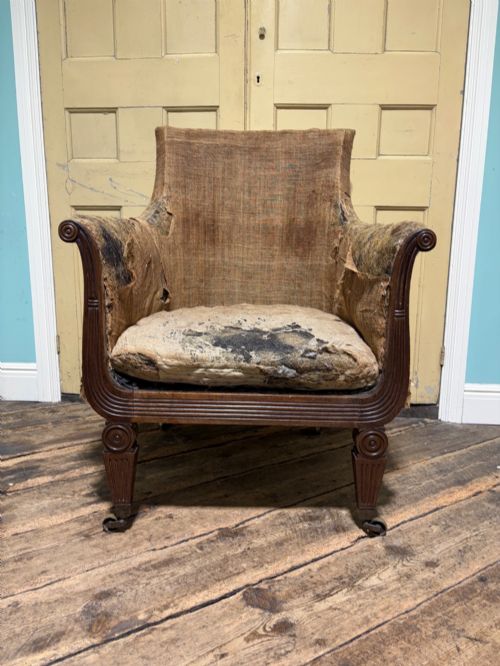
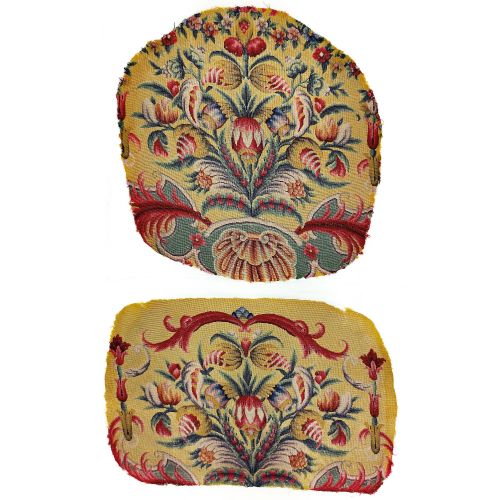
The internal and external coverings feature traditional layers of hessian, calico, and durable upholstery fabric, sometimes accented with brass tacks. Structural support stems from webbed bases and coil springs in later nineteenth-century examples, paired with woven tapestry or patterned textiles.
Period Upholstery Chair Retail Price Guide 2026
Typical asking prices for period upholstery chair among the pieces listed under this phrase on Sellingantiques today, from the lower quarter to the upper quarter. They describe what is for sale here now, not the wider market.
Listings span the eighteenth, nineteenth, and early twentieth centuries, featuring mahogany, fruitwood, brass, and traditional upholstery textiles across various regional styles.
Indicators of Quality
Quality rests heavily on the integrity of the underlying hardwood frame and the fidelity of period details, such as carved lyre fronts or crisp parcel gilding. A superior piece maintains its original structural rigidity without excessive timber replacement or loose joinery.
The distinction between ordinary and exceptional work lies in the refinement of the carving and the proportion of the silhouette. Maker attribution, such as documented Gillows or Howard & Sons production, elevates a piece through superior craftsmanship and documented provenance.
Gillows·Howard & Sons
The Period Upholstery Chair Glossary
- Bergere chair
- An enclosed upholstered armchair with wooden framing, originating in France. The sides typically feature exposed woodwork enclosing padded upholstery.
- Wingback armchair
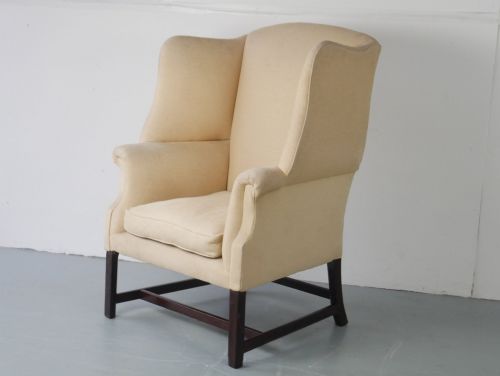
- A high-backed seat featuring protective wings designed to shield the sitter from drafts. Early versions served fireside utility in large rooms.
- Tub chair
- A compact armchair with a continuous curved back and armrest rail forming a single rounded enclosure. These often sit low to the ground for library or desk use.
- Parcel gilt
- A surface treatment where specific carved details or highlights receive a thin application of gold leaf over paint or stained timber.
Period Upholstery Chair: Frequently Asked Questions
How do I spot a Victorian chair?
Victorian seating often employs dark mahogany or walnut with heavy proportions, deep buttoning, and turned legs fitted with brass castors. The introduction of coil spring technology during this era gives the seats a distinct, bouncier profile compared to earlier rigid frames.
Look for stylistic cues such as Victorian Chippendale revival motifs or balloon backs. The joinery and hardware beneath the fabric also help confirm the nineteenth-century production window.
What is a carver chair?
A carver is an armchair made to match a set of smaller dining chairs, traditionally placed at the head and foot of a dining table. They offer supportive armrests for the host.
These pieces share the exact wood, turning style, and leg design of the surrounding single chairs. They provide functional variety while maintaining visual harmony in a dining room.
Can I reupholster an antique chair?
Reupholstering period chairs is a standard practice that preserves the functional life of the wooden frame. Many pieces are sold specifically in need of new fabric.
Traditional methods utilise hessian, webbing, and horsehair stuffing to maintain historic integrity. Selecting an appropriate textile ensures the chair suits modern interiors while respecting its period origins.
How do Regency and Georgian chairs differ?
Georgian seating, spanning much of the eighteenth century, focuses on classical proportions, mahogany ladderbacks, and carved splats influenced by Chippendale or Hepplewhite designs. The lines are generally crisp, structural, and architecturally inspired.
Regency style, emerging in the early nineteenth century, draws heavier inspiration from Greco-Roman antiquity. Expect saber legs, brass inlay, lyre motifs, and a refined sense of archaeological revival.