

Period Upholstered Furniture
Period upholstered furniture brings genuine historical character into a room through traditional seating forms clad in textiles like velvet and silk.
Period Upholstered Furniture
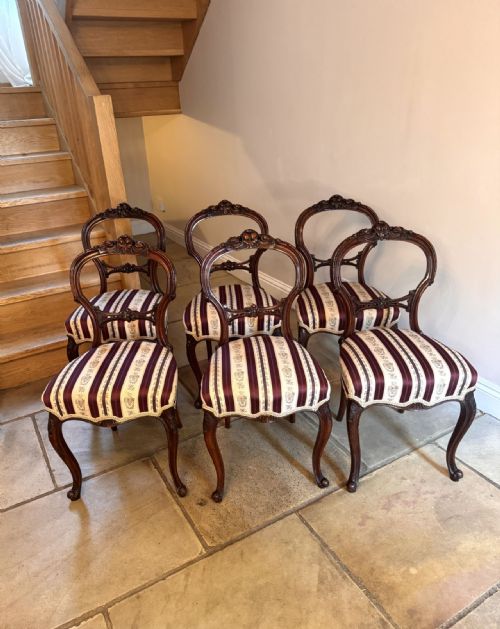
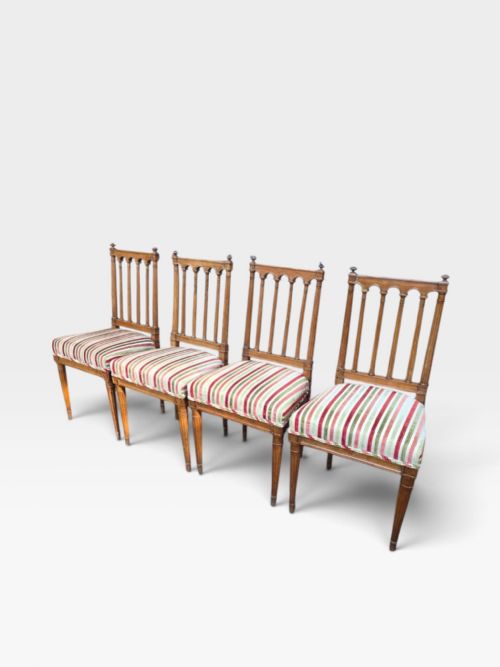
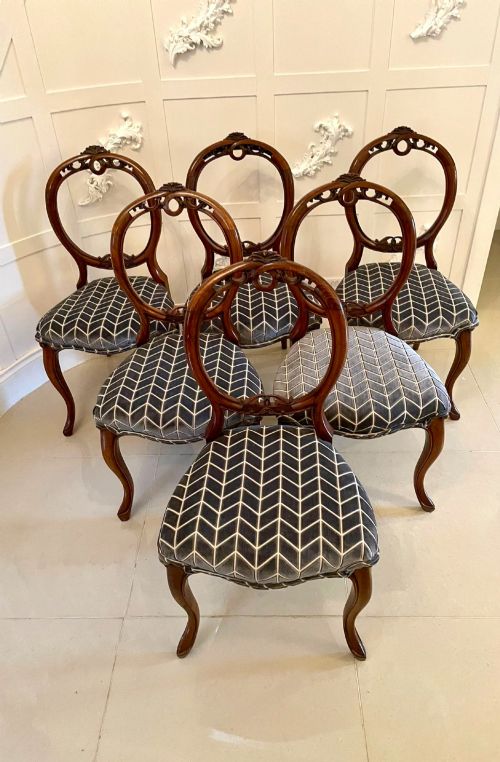
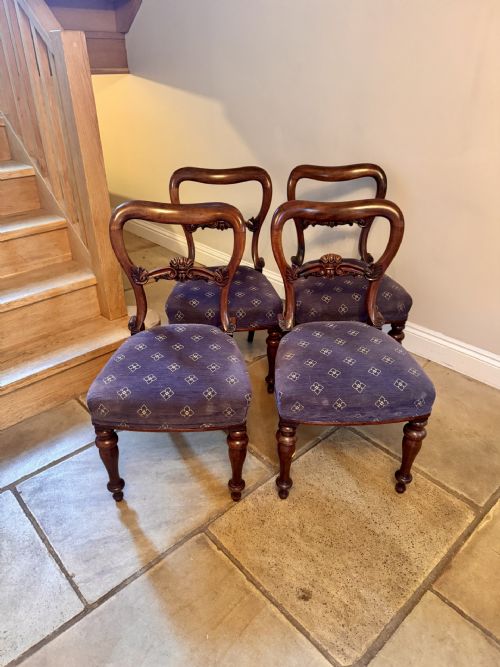
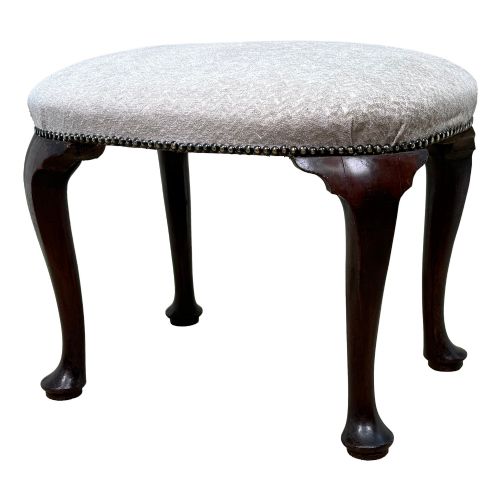
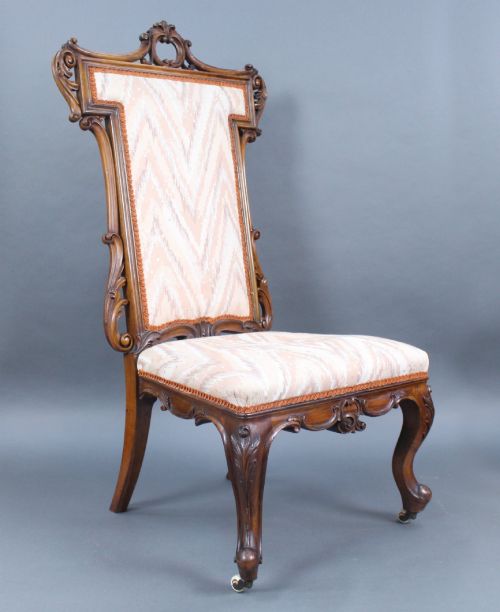
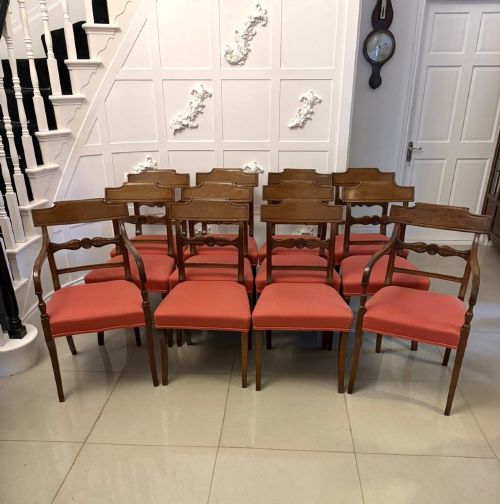
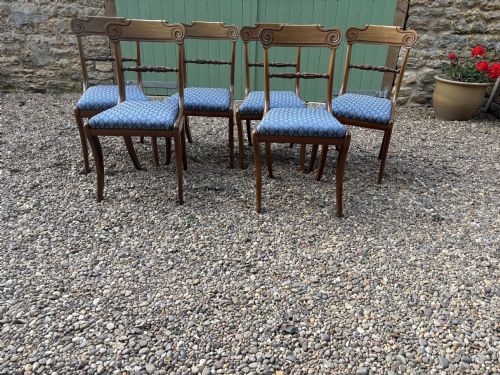
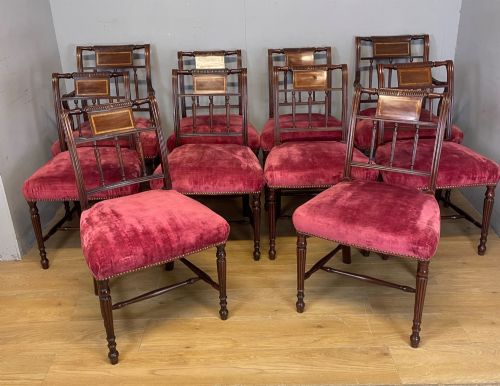
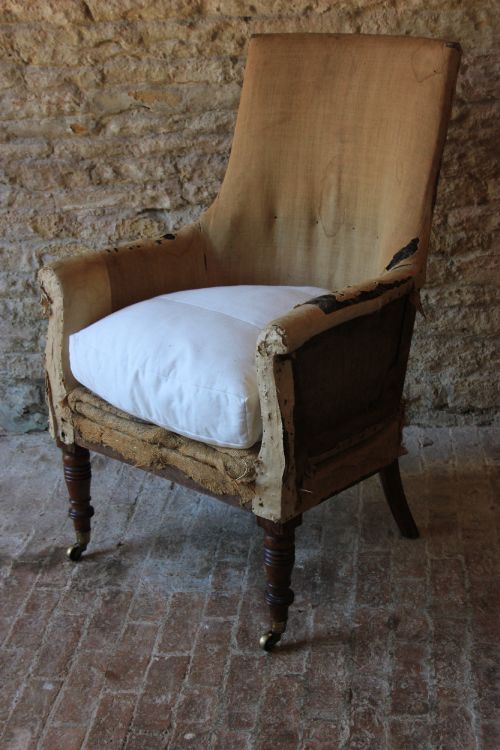
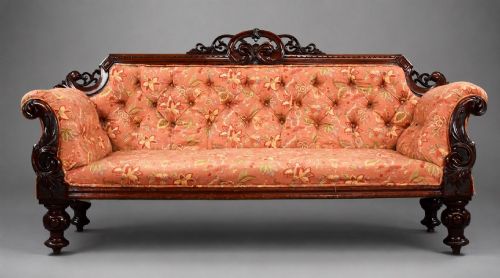
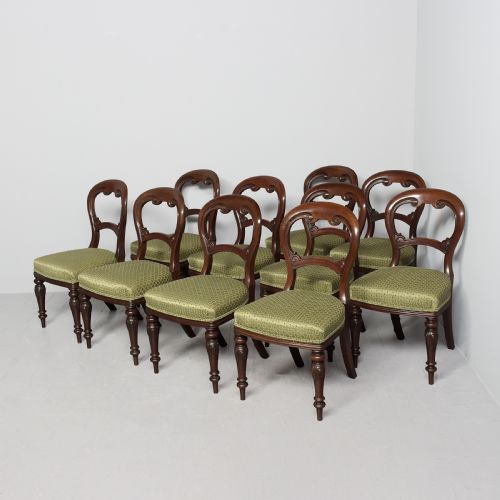
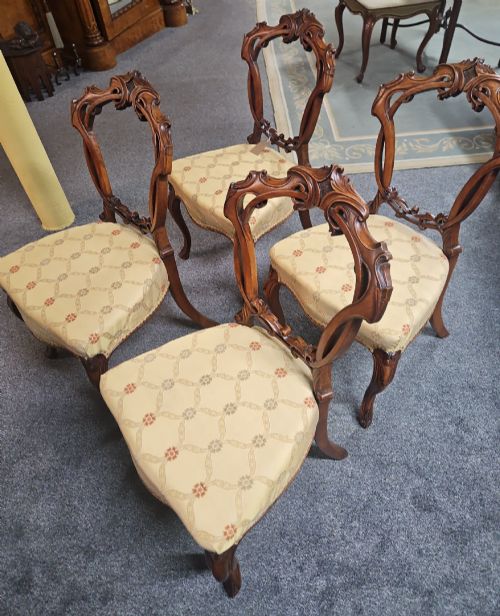
Period upholstered furniture encompasses seating forms ranging from seventeenth-century examples up to Edwardian pieces. Buyers seeking period upholstered furniture will encounter numerous dining chairs, alongside armchairs, settees, and stools.
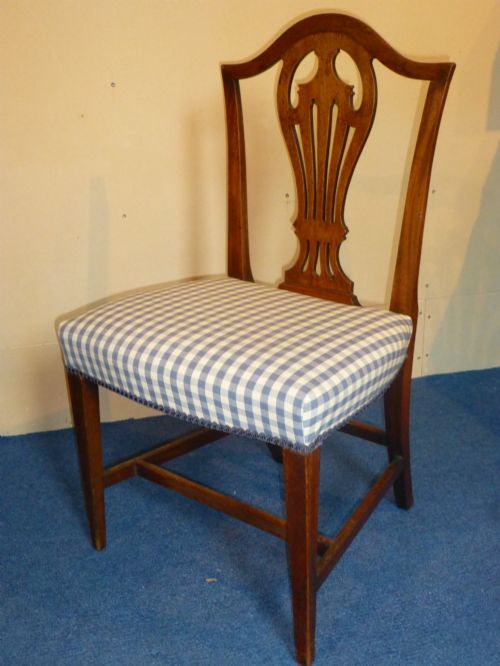
The selection leans heavily towards nineteenth-century and eighteenth-century examples, with dining chairs forming the most frequent category. Woods such as mahogany, walnut, and oak underpin frames upholstered in various fabrics, textiles, and velvet.
Materials and Construction
Timbers like solid mahogany, walnut, fruitwood, and oak provide the structural framework for these pieces, often shaped through carving, turning, or inlay. Brass details occasionally appear on specific frameworks.
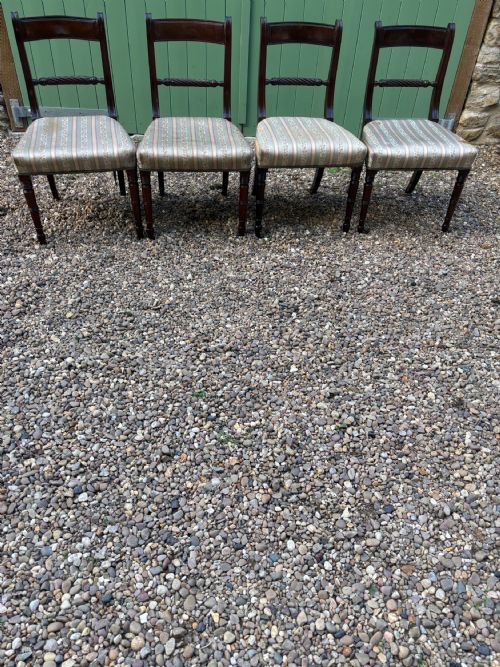
Upholstery relies on traditional textiles, velvet, silk, leather, and contemporary striped fabrics applied over supportive webbing and stuffing. Frames frequently demonstrate regional cabinet-making techniques from British, French, and Swedish origins.
Period Upholstered Furniture Retail Price Guide 2026
Typical asking prices for period upholstered furniture among the pieces listed under this phrase on Sellingantiques today, from the lower quarter to the upper quarter. They describe what is for sale here now, not the wider market.
Listings span from seventeenth-century seating up to Edwardian pieces, incorporating walnut, mahogany, oak, rosewood, and fruitwood frames.
Assessing Quality
Quality rests in the crispness of the timber carving and the architectural proportion of the frame, distinguishing master workshops from standard production. Timber selection, such as figured mahogany or rich walnut grain, elevates the visual weight of a piece.
The integrity of the frame construction and the fidelity of any applied marquetry or inlay dictate the enduring standard. Fabric choice and upholstery execution also contribute to the overall execution, particularly when historic textiles or specific silk and velvet coverings are involved.
Maple and Co
The Period Upholstered Furniture Glossary
- Carver
- An armchair designed with armrests, traditionally placed at the head of a dining table alongside matching side chairs.
- Balloon Back
- A rounded, oval-shaped chair back design that became widely popular during the Victorian era.
- Marquetry
- Decorative veneer work arranged in intricate patterns using various woods to adorn furniture surfaces.
- Settee
- A long upholstered seat with a back and arms, designed to accommodate multiple people.
- Wing Chair
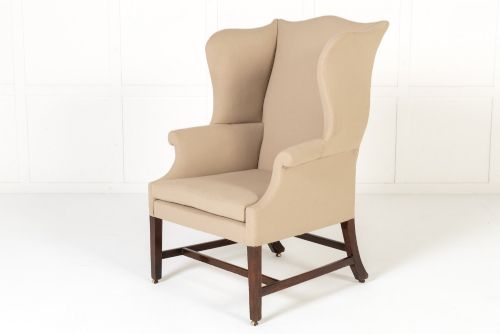
- An armchair with high sides attached to the back, originally designed to shield the sitter from draughts.
Period Upholstered Furniture: Frequently Asked Questions
How do I identify Regency dining chairs?
Regency dining chairs typically feature classical revival motifs, saber legs, and dark timbers like mahogany or rosewood. Their proportions often reflect ancient Greek and Roman influences popular in the early nineteenth century.
Look for refined reeding, brass inlay, and scroll backs that define the period style. The joinery and timber weight provide further clues to their nineteenth-century origins.
Were nineteenth-century settees used in bedrooms?
Settees and small sofas appeared in various rooms, including drawing rooms, libraries, and larger bedrooms. Their placement depended entirely on the scale of the house and the specific social function of the space.
Bedroom chairs and small settees offered comfortable seating for dressing areas or private sitting rooms. Upholstery materials often matched the heavier drapery of the period.
What defines an eighteenth-century stool?
Eighteenth-century stools feature sturdy timber frames in walnut, mahogany, or fruitwood, often supported by cabriole or straight legs. They served versatile seating functions in grand interiors before being upholstered in rich textiles.
Examples from the George I and George III periods frequently display carved knees, claw and ball feet, or detailed rail mouldings. Their surviving upholstery usually reflects later historical reupholstery.
How should I care for antique wood and fabric?
Maintain antique timber frames by keeping them away from direct sunlight and fluctuating heat sources that cause wood to dry and split. Regular dusting with a soft, dry cloth preserves the polished surface.
Protect delicate upholstery textiles, silk, and velvet by professional cleaning methods suited to historic fabrics. Avoid harsh chemical cleaners on both the wooden frames and the surrounding textile coverings.