





Period Timber Seating
Period timber seating encompasses centuries of craftsmanship, offering historic character and robust utility that elevates any room.
Period Timber Seating
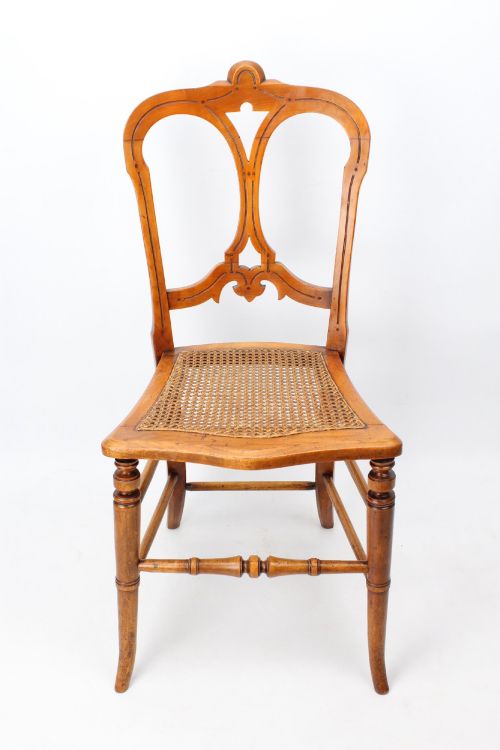
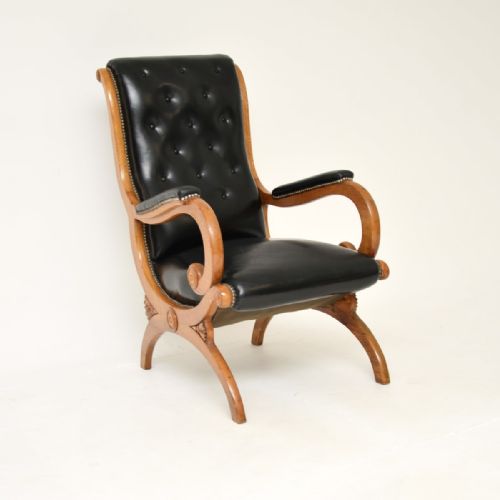
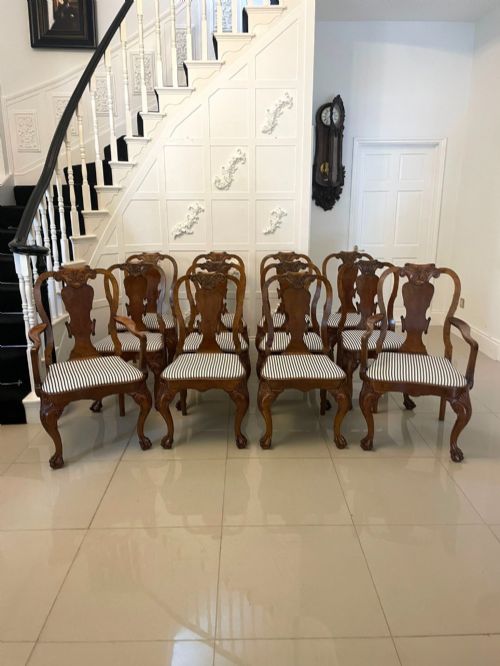
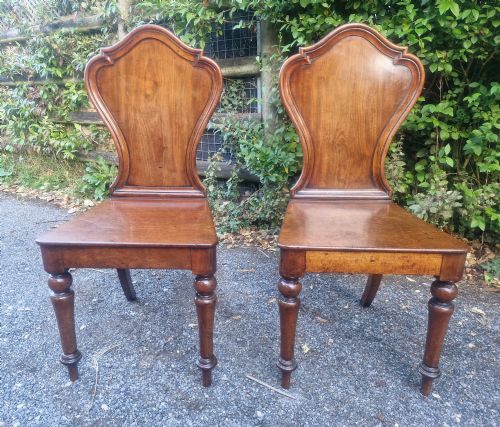
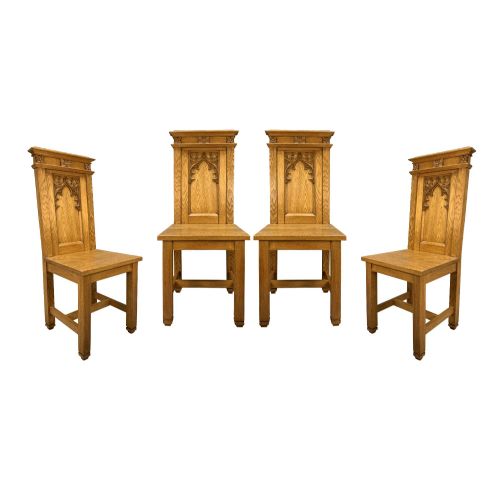
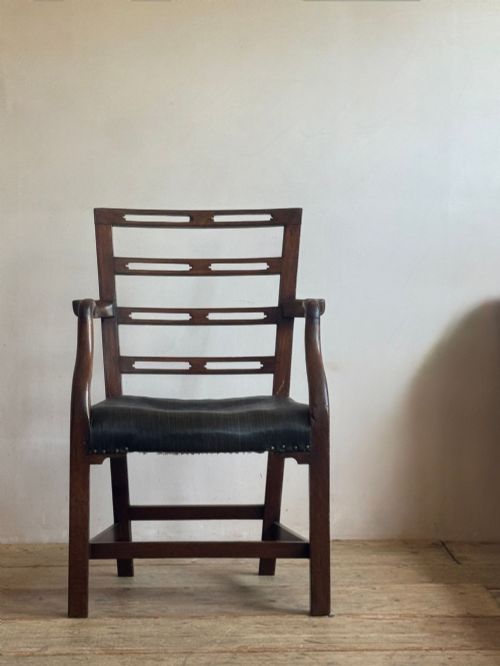
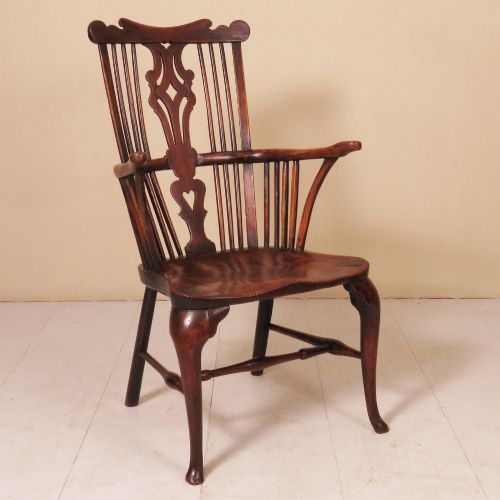
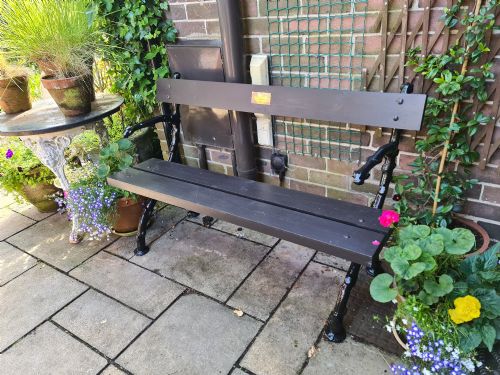
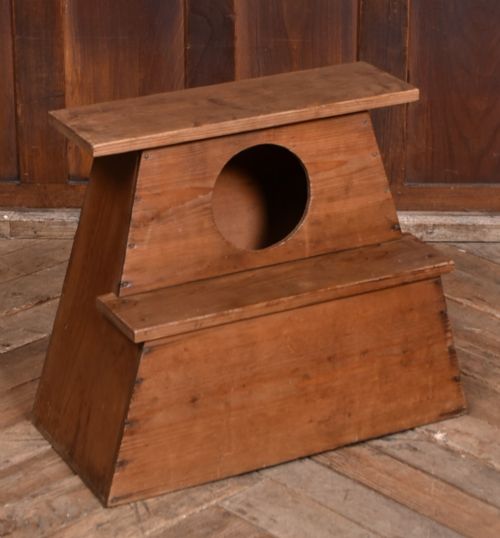
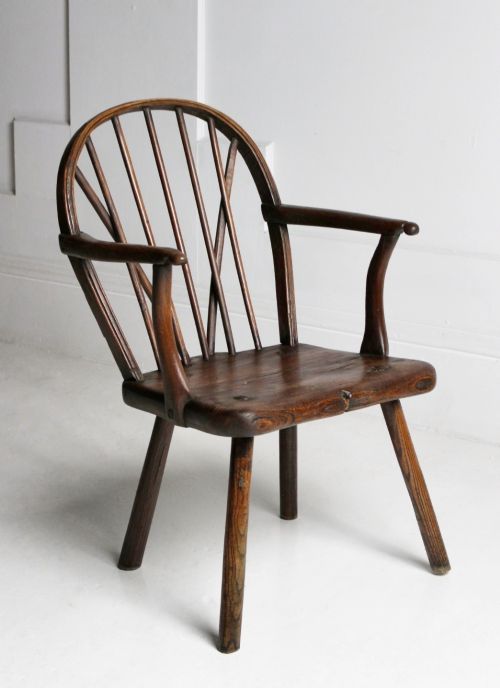
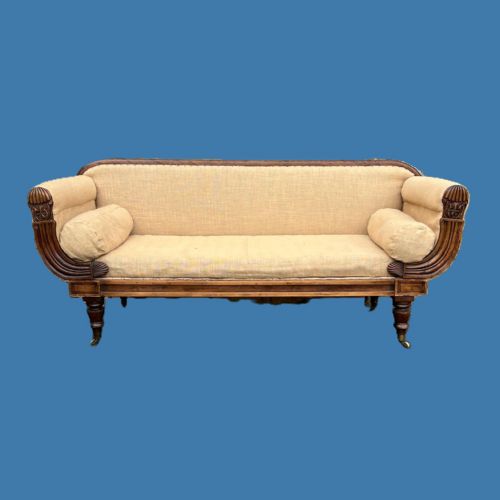
The selections on this page range from seventeenth-century wainscot chairs and eighteenth-century Windsor chairs to nineteenth-century mahogany dining sets and Victorian oak armchairs. Dining chairs and hall chairs appear most frequently among these listings, alongside occasional garden benches and child high chairs.
Makers utilised native and imported woods such as oak, mahogany, ash, and elm, often pairing timber frames with simple wood seats, rush, or upholstered fabric. These pieces reflect the prevailing architectural and decorative tastes of their respective eras, including Georgian, Regency, Victorian, and Gothic Revival styles.
What varies in quality
The grade of timber selected for the frame determines much of the piece's initial quality, with dense, figured mahogany or tight-grained seventeenth-century oak standing above simpler utility woods. Mastery in hand-carved details, such as crisp foliage on Gothic hall chairs or well-turned ladder-backs, separates standard workshop output from finer productions.
Structural preservation and originality dictate the standing of surviving examples, particularly where joints remain tight and timber retains its natural surface rather than aggressive modern stripping. Complete sets of dining chairs carry distinct advantage over assembled groups due to uniform wear and matched grain patterns.
Period Timber Seating Retail Price Guide 2026
Typical asking prices for period timber seating among the pieces listed under this phrase on Sellingantiques today, from the lower quarter to the upper quarter. They describe what is for sale here now, not the wider market.
The inventory records vernacular stick-back chairs alongside formal Regency dining sets and heavy Victorian wainscot armchairs.
The Period Timber Seating Glossary
- Wainscot chair
- An early wooden armchair constructed with panelled backs and solid wooden seats, typical of the seventeenth century and earlier. These heavy seats were symbols of status in domestic interiors.
- Hall chair
- A rigid wooden seat intended for entrance halls, often featuring carved or painted family crests on solid wooden backs. They were built primarily for display rather than prolonged lounging.
- Ladder-back chair
- A seating style characterised by horizontal wooden slats or rails between the upright posts of the back. These functional pieces utilise woven rush or wood for the seat.
- Campaign sofa
- A portable seating form designed for easy transport by military officers during the nineteenth century. These pieces often feature clever dismantling frames and simulated rosewood finishes.
Period Timber Seating: Frequently Asked Questions
How do I date an old wooden chair?
Examine the construction methods, tool marks, and timber species used in the frame, as seventeenth-century pieces rely on pegged oak joints while later Victorian examples show machine-sawn components.
Compare the overall style and decorative motifs against known historical periods like the Georgian or Regency eras to narrow down the decade of production.
Are antique dining chairs sturdy enough for daily use?
Most period dining chairs built from solid hardwoods like mahogany or oak remain structurally robust if their joints stay tight and properly maintained. Regular checking of the underframe prevents loosening from daily sitting.
Lighter vernacular chairs or delicate side chairs require more mindful placement to avoid undue stress on slender legs.
What is the difference between an armchair and a side chair?
Armchairs feature integrated side supports for the arms, making them larger and traditionally suited for the heads of dining tables or parlour use. Side chairs lack arms entirely, allowing multiple seats to tuck neatly around dining tables or line hallway walls.
Both forms share the same stylistic periods and timber construction techniques.
How should I care for timber seats at home?
Maintain a stable indoor humidity and keep wooden seating away from direct heat sources to prevent the timber from drying out and splitting. Applying natural beeswax periodically nourishes the grain and preserves the historic surface finish.
Avoid chemical polishes that can degrade old wax patinas over time.