








Period Timber Frame
Period timber frame objects bring historic structure and honest craftsmanship into a room, offering genuine architectural weight for a modern interior.
Period Timber Frame
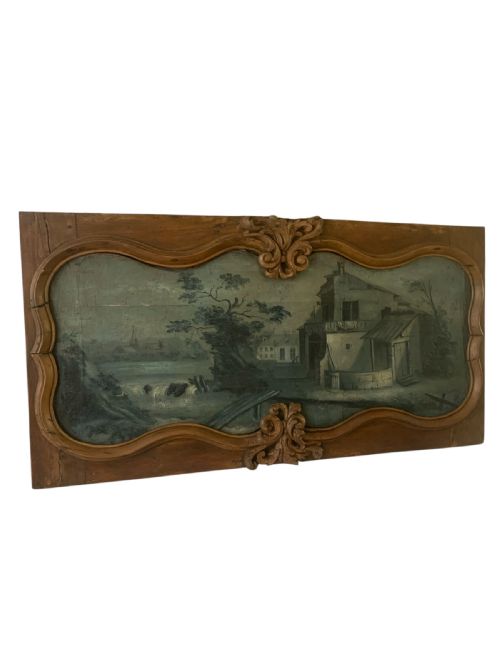
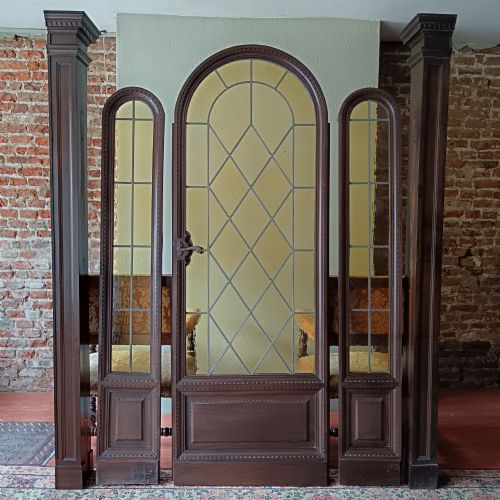
When you search for period timber frame pieces, you encounter a varied selection of structural woodwork, architectural salvage, and substantial furniture frames dating from the seventeenth century through to the twentieth century. These items include reclaimed doorways, oil paintings, carved wall panels, and large bedframes that retain their original physical substance.
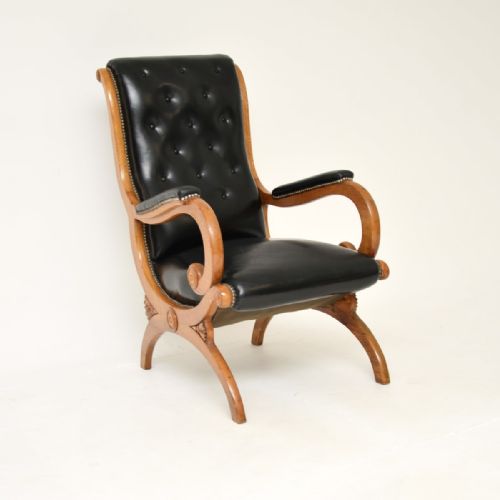
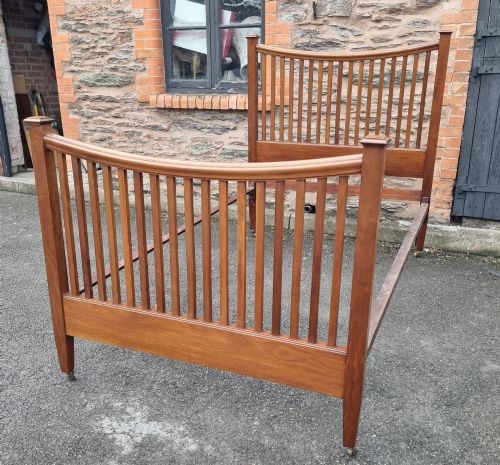
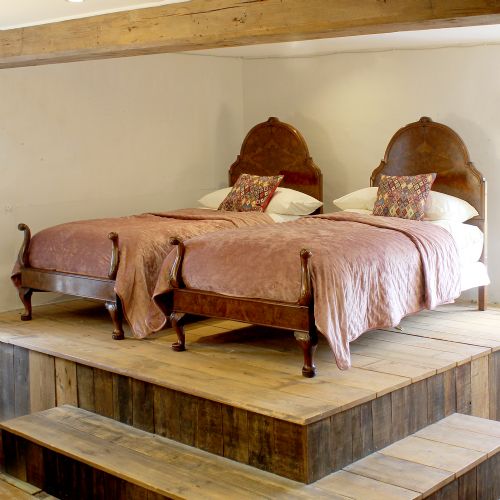
The selection on this page leans heavily towards substantial wooden beds, architectural elements such as vestibule doorways, and carved wall panels originating from British and European workshops. Alongside these structural forms, you find seating with prominent wooden show frames and mirrors constructed with timber surrounds.
Dating ranges from pieces created around seventeen hundred through to early twentieth-century revivals of Queen Anne and William and Mary styles. The assortment bridges functional room architecture and heavy furnishings, all united by their reliance on visible wood construction.
How they were made
Makers utilised solid hardwoods such as walnut, mahogany, sweet chestnut, rosewood, and hardwood, often enhancing the timber with marquetry inlay or deep relief carving. Structural integrity relied on traditional joinery methods suited to large beds, doorways, and heavy picture frames.
Surface treatments vary from polished grain and giltwood finishes to painted panels and brass detailing integrated directly into the wood. The combination of structural timber and decorative carving defines the physical manufacture of these pieces across different centuries.
Period Timber Frame Retail Price Guide 2026
Typical asking prices for period timber frame among the pieces listed under this phrase on Sellingantiques today, from the lower quarter to the upper quarter. They describe what is for sale here now, not the wider market.
Listings feature items spanning the eighteenth, nineteenth, and early twentieth centuries, including walnut, mahogany, and giltwood.
What varies in quality
The distinction between standard examples and the finest work lies in the depth of the carving, the selection of figured timber veneers, and the preservation of original structural elements. Pieces that retain their authentic joinery and untouched surface patination stand apart from heavily restored items.
Attribution to documented makers or specific regional schools elevates a piece significantly beyond utilitarian architectural salvage. The precision of the inlay work and the harmonious integration of decorative mounts or brass details dictate the overall standing of an object.
Stanley Webb Davies
The Period Timber Frame Glossary
- Marquetry
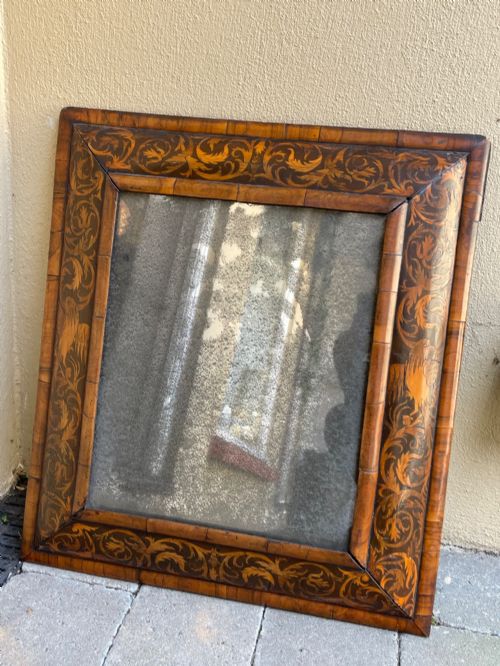
- Decorative inlay work using various coloured woods arranged in geometric or floral patterns to adorn flat surfaces. This technique adds visual complexity to mirrors and furniture frames.
- Giltwood
- Timber carved and coated with a thin layer of gold leaf or gilt preparation. It appears frequently on decorative picture and wall mirrors.
- Show frame
- A visible wooden structural framework exposed around upholstered seating such as sofas and settees. It highlights the timber quality rather than concealing it beneath fabric.
- Architectural salvage
- Building elements removed from older structures, such as doorways and carved panels, meant for reuse in new interior schemes. These items preserve historic fabric.
Period Timber Frame: Frequently Asked Questions
How do I install a reclaimed timber doorway?
Installation requires a qualified carpenter to assess the structural load and adjust the opening to fit the historic frame securely.
Careful integration protects the original wood and ensures the salvage retains its stability within a modern wall.
Can antique wooden bedframes take modern mattresses?
Many older bedframes feature non-standard dimensions that require custom mattress sizing or internal slat adjustment.
Checking the internal measurements before purchase ensures your bedding fits the historic frame correctly.
How should I clean carved hardwood panels?
Dusting with a dry, soft cloth prevents particulate buildup in the deep relief carvings without introducing moisture.
Avoid commercial liquid polishes that can discolour historic wood finishes and accumulate in recessed areas.
What defines a William and Mary mirror?
These mirrors typically feature cushion moulding and intricate marquetry inlay executed in walnut or native timbers.
The distinct profile reflects the cabinet-making techniques dominant around seventeen hundred.