



Period Timber Chairs
Period timber chairs bring centuries of seating history into daily rooms, offering solid construction and regional character.
Period Timber Chairs
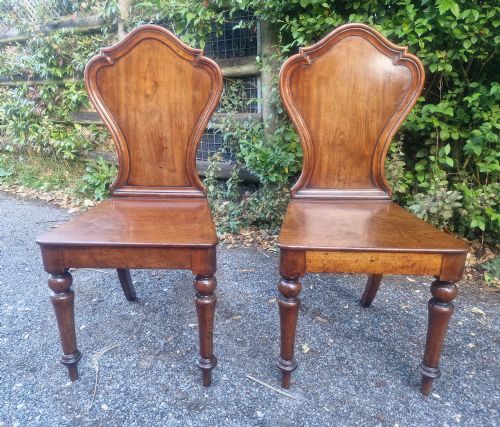
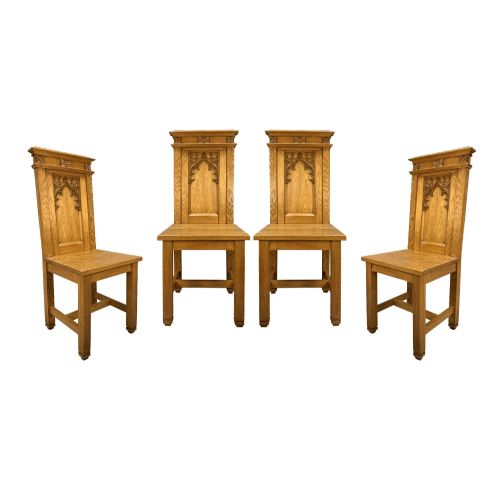
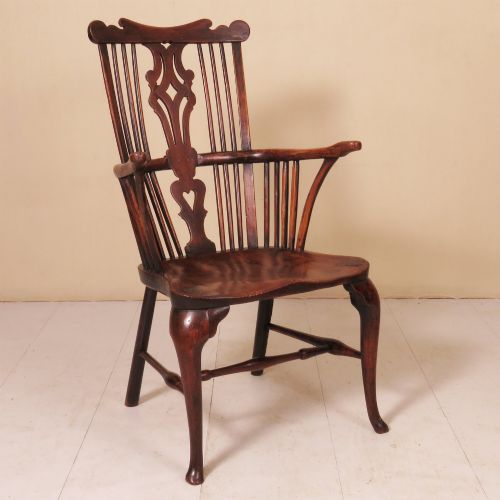
The selections span distinct eras such as Georgian, Victorian, and Regency periods, utilising regional timbers like oak, mahogany, elm, and ash. Many examples reflect specific vernacular traditions, from comb-back windsons to ladder-back child seats and Gothic hall chairs.
Materials and construction
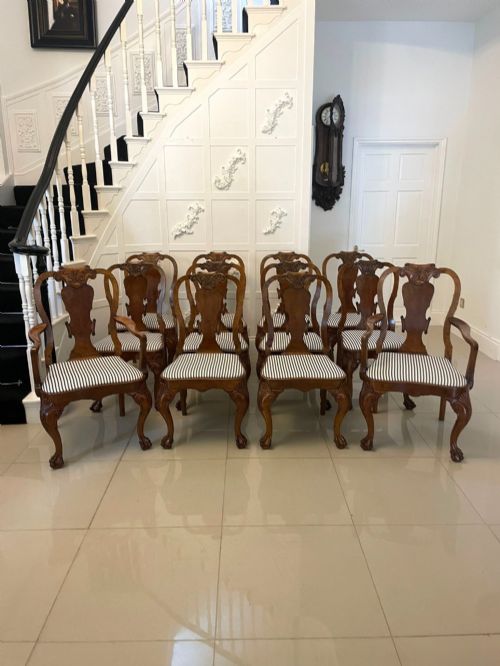
Cabinetmakers and regional joiners utilised hardwoods such as mahogany, oak, walnut, fruitwood, elm, and ash to build durable frames. Construction methods combined pegged joints, turned spindles, and solid timber panels suited to the particular demands of dining, hall, or desk use.
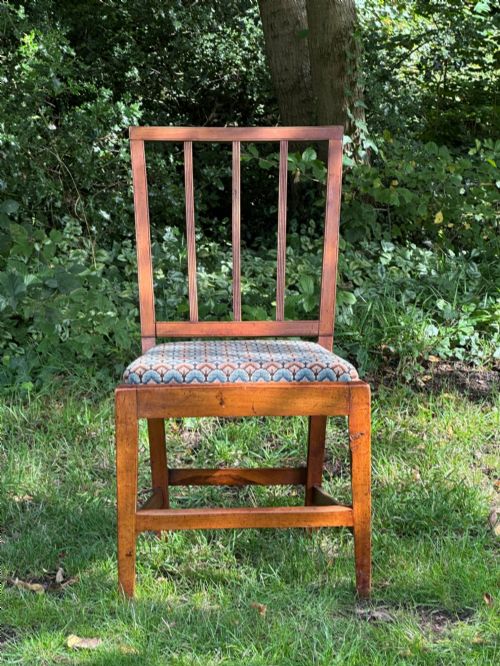
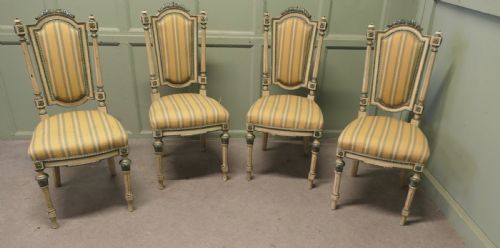
Upholstery elements incorporate traditional textiles, fabric, velvet, and rush seating woven directly into frames. Carved detailing, painted finishes, and polished mahogany surfaces reflect the stylistic preferences of Georgian, Victorian, and earlier eras.
Period Timber Chairs Retail Price Guide 2026
Typical asking prices for period timber chairs among the pieces listed under this phrase on Sellingantiques today, from the lower quarter to the upper quarter. They describe what is for sale here now, not the wider market.
Materials recorded across the inventory include mahogany, oak, elm, ash, birch, walnut, rosewood, fruitwood, fabric, velvet, rush, and textile.
Quality variations
The upper tier of these pieces displays crispness in carved ornamentation, balanced proportions, and the integrity of primary timber frames. Master joinery in period seating prioritises tight structural joints and authentic surface patination over cosmetic restoration.
Lesser examples often show diminished timber depth, softer carving details from wear or over-finishing, and replacement elements within structural frames. The distinction lies in the survival of original components and the precision of regional turning or cabinet work.
The Period Timber Chairs Glossary
- Wainscot chair
- A heavy wooden armchair from the 17th century featuring panelled construction and solid timber armrests. These early seats reflect high status and robust joinery before lighter framed seating became common.
- Windsor chair
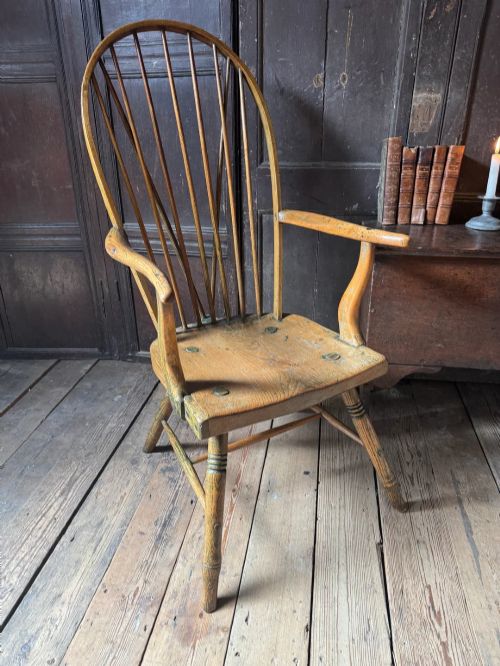
- A provincial seat featuring a solid wooden saddle-shaped seat into which turned legs and spindle backs are wedged. Common regional variations include high hoop-backs and comb-backs in elm and ash.
- Hall chair
- A rigid wooden seat placed in entrance halls, typically featuring a solid timber backplate carved or painted with family crests. They were designed for brief seating rather than long-term comfort.
- Ladder-back chair
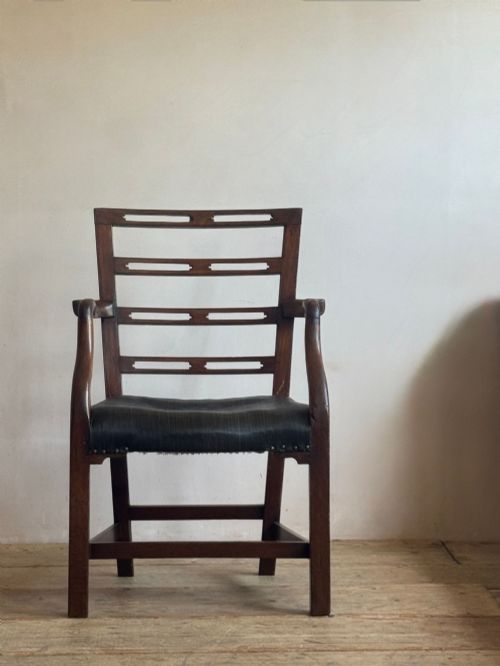
- A seating form defined by horizontal slats or rungs set between the rear upright posts. These chairs frequently incorporate rush seating or turned finials.
- Hepplewhite style
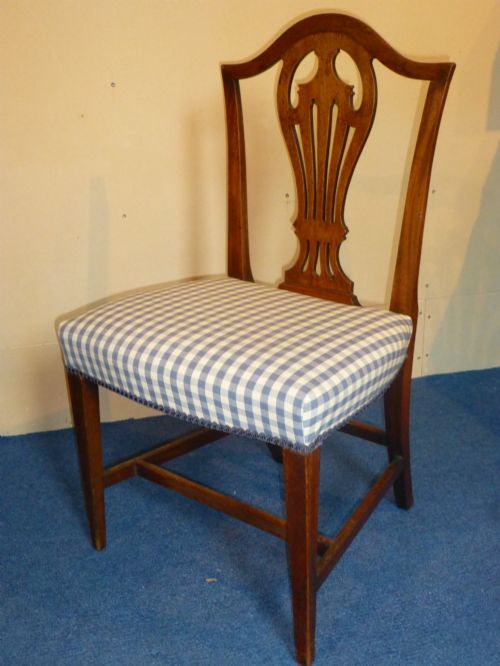
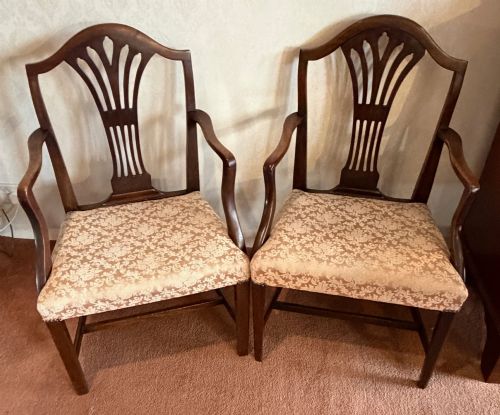
- A late 18th-century design idiom characterised by graceful proportions, shield-backed dining chairs, and tapered legs. Pieces in this manner draw upon published pattern books from the period.
Period Timber Chairs: Frequently Asked Questions
How do I identify a 17th century wainscot chair?
Seventeenth-century wainscot chairs utilise heavy oak panels, box stretchers, and solid wooden seats. Their construction relies on pegged joinery and thick turned supports.
These pieces reflect early vernacular domestic interiors where seating was scarce and substantial.
What is the difference between a side chair and a hall chair?
Side chairs are generally upholstered or finished for dining rooms, drawing rooms, and bedrooms, offering softer seating. Hall chairs are un-upholstered wooden seats intended for entryways.
Hall chairs often feature carved wooden backs and rigid proportions for occasional use.
Where were Windsor chairs made?
Windsor chairs originated in provincial workshops, with significant production in regions like the West Country. Makers utilised local timbers such as elm and ash.
Their regional origins dictate specific hoop-back or comb-back configurations.
How should I care for antique mahogany dining chairs?
Maintain antique mahogany furniture by keeping them away from direct heat sources and sudden humidity changes. Regular dusting with a dry cloth preserves the polished surface.
Avoid harsh chemical polishes that can degrade historical timber finishes over time.