



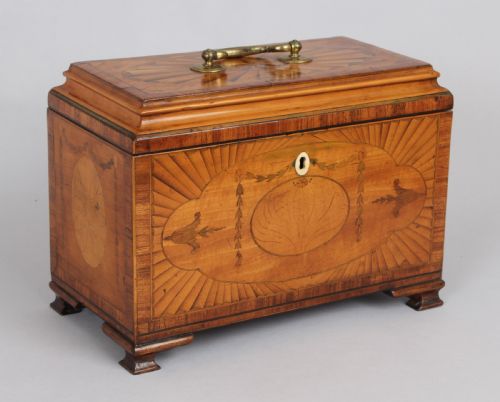
Period Tea Box
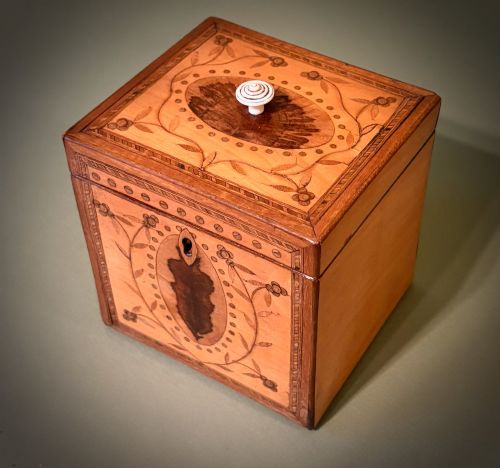
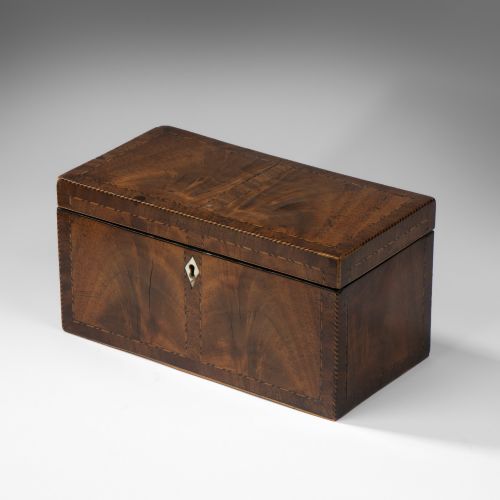
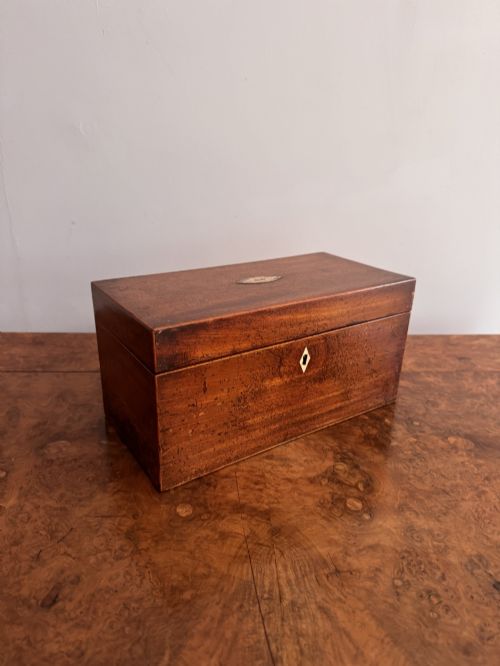
A period tea box sits ready for the table, offering a glimpse into the careful storage of precious leaves.
Period Tea Box
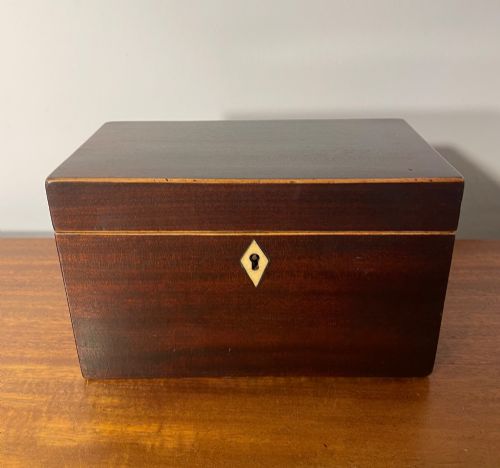
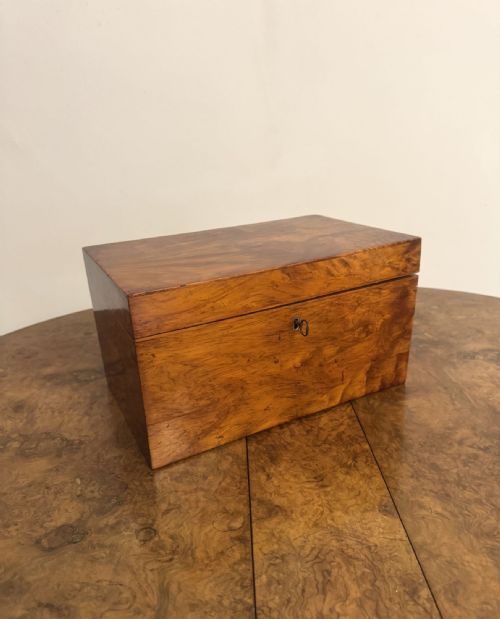
A period tea box serves as a traditional container designed to hold and protect valuable tea leaves from moisture and loss during earlier centuries. Buyers searching for a period tea box will encounter various forms across this page, predominantly featuring Georgian and Regency examples.
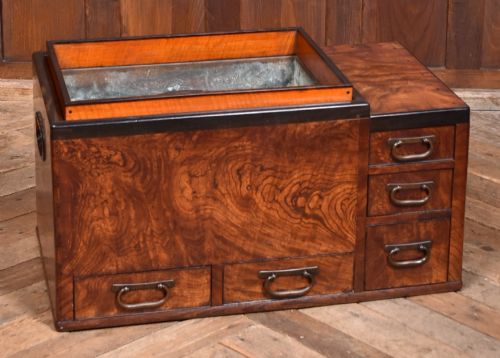
The selection ranges from standard tea caddies to larger tea-poys, alongside related work boxes and decorative caskets. These pieces span from the mid-eighteenth century through to the William IV period, showcasing a rich variety of timber and decorative schemes.
How they were made
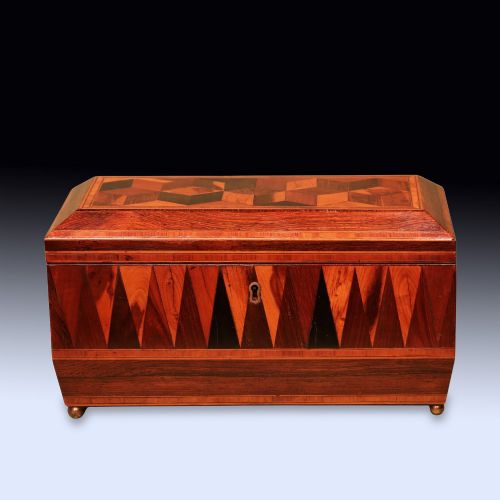
Cabinetmakers constructed these boxes using a foundation of solid wood or sturdy framing, frequently applying dense veneers such as mahogany, rosewood, satinwood, and walnut to the exterior surfaces. Many examples incorporate delicate stringing, parquetry, or marquetry patterns to define the edges and lid panels.
Surface decoration often extends to inlaid brass, bone, or tortoiseshell, alongside intricate penwork detailing and mother-of-pearl embellishments. Inside, many retain fitted compartments or small lidded canisters intended to keep separate varieties of tea secure.
Period Tea Box Retail Price Guide 2026
Typical asking prices for period tea box among the pieces listed under this phrase on Sellingantiques today, from the lower quarter to the upper quarter. They describe what is for sale here now, not the wider market.
Tea was once so valuable that boxes came with locks, turning the parlour into a high-security zone for leaves.
What varies in quality
The distinction between standard examples and the finest work lies in the choice of cabinet timbers and the precision of the surface decoration. Boxes featuring complex tortoiseshell work, detailed penwork, or elaborate brass inlay represent a higher tier of craftsmanship.
Proportion and the preservation of original internal fittings significantly influence the overall standard of the piece. Superior items retain their internal lids and original decorative elements intact, reflecting the skill of the original workshop.
The Period Tea Box Glossary
- Tea caddy
- A small container or chest originally built to store loose tea leaves securely under lock and key. The term covers various single and multi-compartment forms seen in Georgian and Regency rooms.
- Teapoy
- A freestanding pedestal table or large box designed to hold tea canisters, often fitted with a pillar and tripod base or a substantial cabinet body. These pieces provided a mobile station for tea preparation.
- Penwork
- A decorative technique utilising fine ink drawings on a prepared wood surface, often creating complex geometric or pictorial borders. This method was popular on Regency boxes.
- Marquetry
- The art of forming decorative patterns using thin veneers of different coloured woods, fitted together into a design. It appears on satinwood and mahogany lids across the Georgian period.
Period Tea Box: Frequently Asked Questions
What is a period tea box?
A period tea box is a lidded wooden container made during the Georgian or Regency eras to store expensive loose tea. These items were kept locked to protect the contents from servants and guests.
They often feature internal compartments for different tea varieties and sometimes include small glass mixing bowls.
How were these boxes used?
Households used them in the parlour or dining room, where the master or mistress of the house would measure out the leaves for brewing. The key remained with the owner to ensure the valuable leaves were rationed carefully.
Many boxes doubled as general storage once tea became more readily available and less costly.
How do I identify a Regency tea box?
Regency tea boxes often display dark exotic timbers like rosewood or calamander, frequently accented with brass inlay or intricate penwork motifs. The forms tend toward sarcophagus shapes or neat rectangular blocks with ring handles.
They date from the early nineteenth century and lean into classical revival design influences.
How do I care for a wooden tea box?
Keep the wood away from direct sunlight and sudden temperature changes to prevent the delicate veneers from lifting or splitting. A light application of appropriate wax maintains the finish without harming the antique surface.
Handle internal lids gently, as the tiny hinges and pulls are often delicate.