




Period Tavern Table
A period tavern table brings centuries of robust English hospitality straight into your home with its honest timber construction and hard-wearing utility.
Period Tavern Table
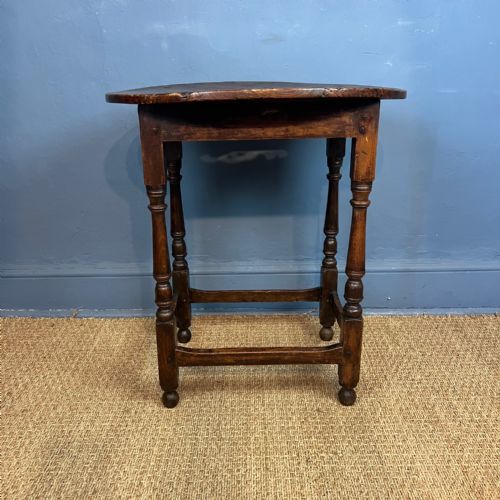
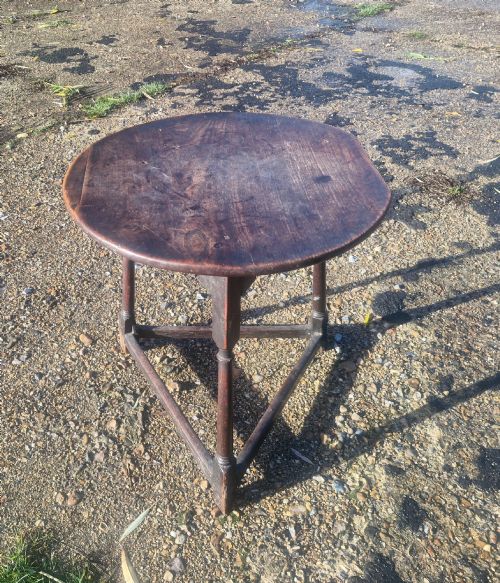
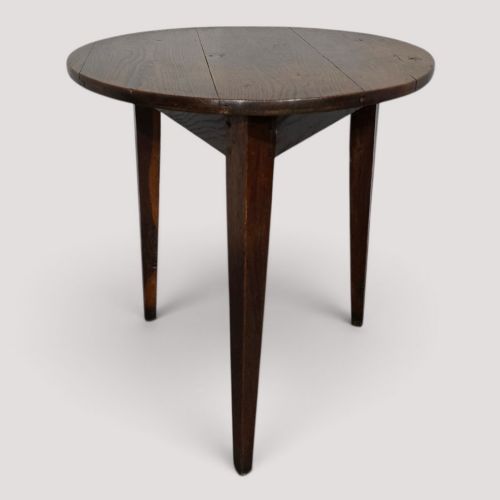
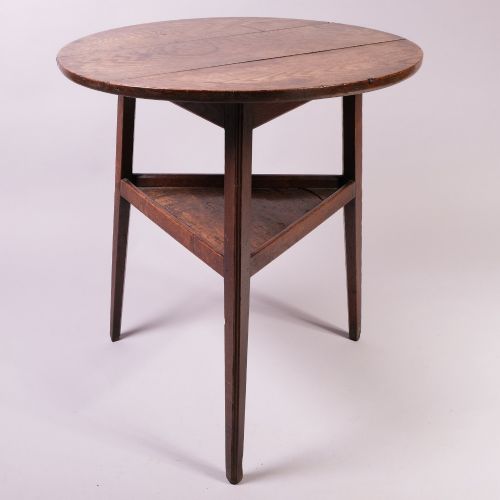
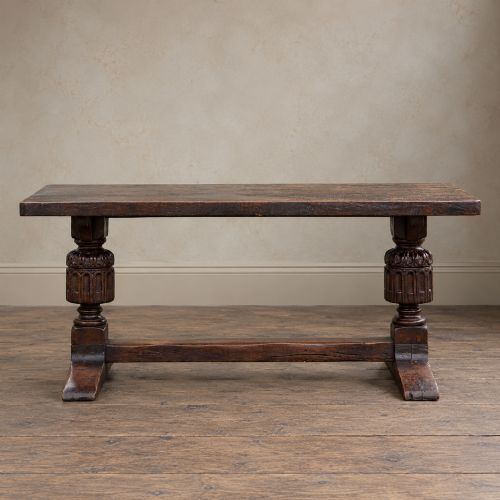
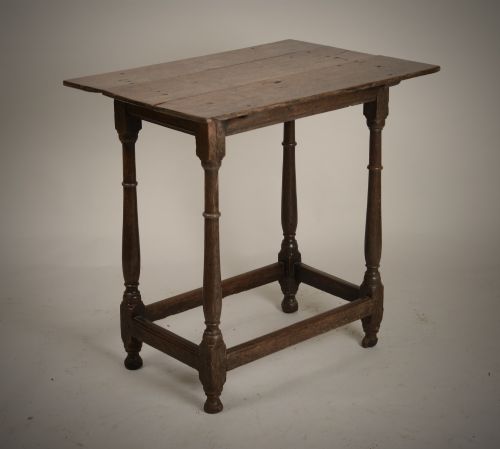
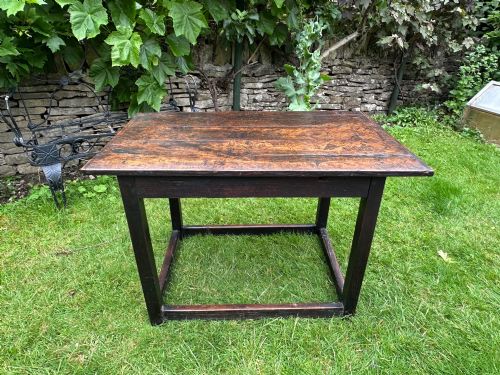
A period tavern table represents the sturdy, functional furniture built for communal eating and drinking in public houses and rural homes during the seventeenth and eighteenth centuries. These tables survive in various formats on this page, including side tables, centre tables, refectory tables, and round cricket tables.
The most common examples you will encounter span the 17th century and 18th century, often associated with styles such as Jacobean, Georgian, and early English country furniture. Their simple, unpretentious forms were designed purely for daily use rather than formal display.
Makers of these pieces relied on vernacular traditions, producing sturdy surfaces supported by solid legs and stretchers. Surviving specimens show the heavy wear of centuries of domestic and public service.
How they were made
These tables were constructed primarily from solid oak, elm, and ash, utilising local timber felled and seasoned for maximum strength. Joinery was typically straightforward and robust, relying on pegged mortise and tenon joints to withstand heavy daily use.
Many examples feature heavy plank tops made from single boards of elm or oak, secured to simple underframes with wooden pins. Carpenters shaped the legs and stretchers by hand using basic turning and shaving tools, leaving subtle tool marks that remain visible today.
Period Tavern Table Retail Price Guide 2026
Typical asking prices for period tavern table among the pieces listed under this phrase on Sellingantiques today, from the lower quarter to the upper quarter. They describe what is for sale here now, not the wider market.
Listings on this page feature oak, elm, and ash timbers spanning the seventeenth and eighteenth centuries.
What varies in quality
Quality in these pieces is dictated by the integrity of the original timber and the proportion of the structure. Tables retaining their original plank tops and untouched timber surfaces hold greater authenticity than those altered or excessively restored over time.
The degree of hand-finishing and the sophistication of the vernacular turning on the legs separate standard utility pieces from finer country examples. Proportion and structural balance also distinguish superior craftsmanship from basic utilitarian joinery.
The Period Tavern Table Glossary
- Plank top
- A table top constructed from wide boards of solid timber joined edge to edge. This method was standard for early vernacular tables before veneering became widespread.
- Cricket table
- A small, lightweight occasional table typically featuring three legs and a circular top. The three-legged design ensured stability on uneven tavern floors.
- Refectory table
- A long, narrow dining table traditionally used in communal dining halls and large rooms. These pieces feature substantial stretchers running low between the legs for added rigidity.
- Mortise and tenon
- A traditional woodworking joint where a projecting tongue fits snugly into a corresponding cavity. This joint provides exceptional structural strength without relying on metal fasteners.
- Vernacular furniture
- Domestic objects made by local craftsmen using regional styles and readily available materials. These pieces reflect local traditions rather than court or urban fashions.
Period Tavern Table: Frequently Asked Questions
What is a period tavern table?
A period tavern table is a heavy wooden table dating from the seventeenth or eighteenth century, built for heavy use in public houses or rural homes.
These pieces typically feature solid timber construction in oak, elm, or ash, designed with simple lines and sturdy stretchers for daily utility.
How do I identify a seventeenth century table?
Seventeenth century tables often display darker oak patination, heavier plank tops, and characteristic Jacobean style turning on the legs.
They rely on pegged joinery and hand-carved elements that reflect the early vernacular woodworking traditions of the period.
Where were tavern tables used?
These tables were primarily used in public houses, inns, and rural taverns for serving food and drink to patrons.
Their robust construction also made them popular in farmhouses and country dwellings for everyday family dining.
How do I care for antique oak?
Antique oak benefits from occasional applications of traditional beeswax to nourish the timber and protect the surface from drying out.
Keep these tables away from direct heat sources and sudden humidity changes to prevent the old wood from splitting.