



Period Table Candlesticks
These period table candlesticks bring genuine warmth to a room through centuries of metalwork and design.
Period Table Candlesticks
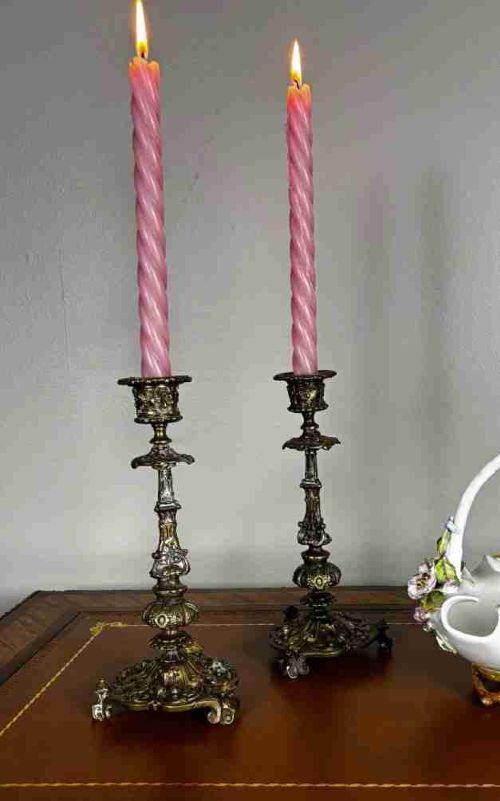
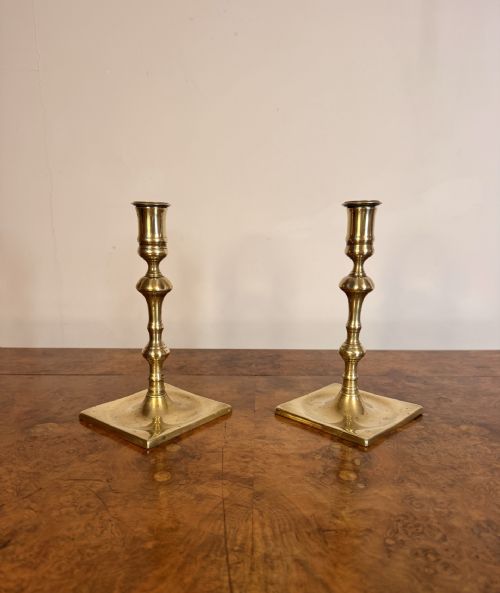
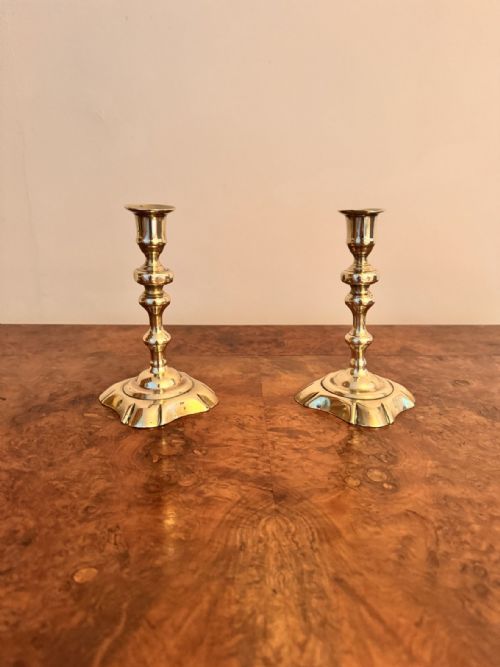
When you search for period table candlesticks, you encounter lighting designed for dining tables, sideboards and mantelpieces across the eighteenth and nineteenth centuries. The most common examples met on this page are robust brass pairs from the Georgian and Victorian eras, often cast with baluster stems or geometric bases.
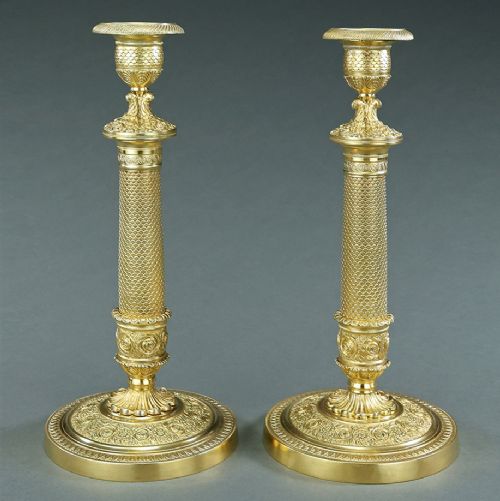
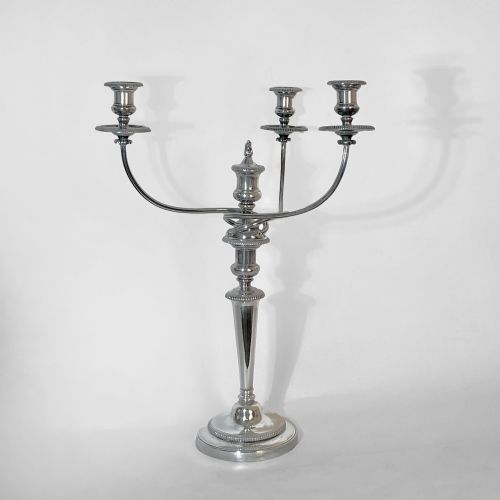
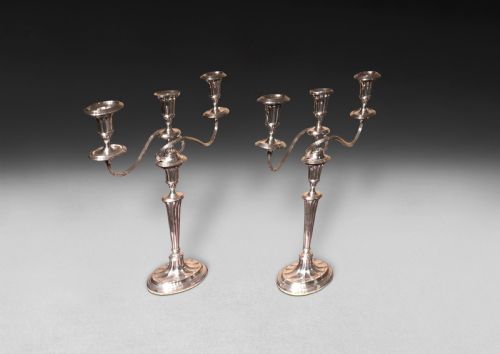
Beyond standard pairs, the selection includes multi-light candelabra, candle lamps with shades, and table lustres in silver plate or ormolu. These span diverse styles from Queen Anne to French Empire, showing how domestic illumination evolved over generations.
How they were made
Foundry workers cast brass and bronze using traditional methods, sometimes employing seamed construction or turning components on a lathe for smooth joints. Gilt bronze and ormolu pieces received fine chemical gilding to achieve a bright, durable surface finish.
Silver plating on copper, known as Sheffield plate, created elegant dining wares without the cost of solid silver. Cabinetmakers also turned dense mahogany timber to form slender wooden shafts for single candle holders.
Period Table Candlesticks Retail Price Guide 2026
Typical asking prices for period table candlesticks among the pieces listed under this phrase on Sellingantiques today, from the lower quarter to the upper quarter. They describe what is for sale here now, not the wider market.
Some Victorian candle lamps arrived equipped with whimsical griffin shades to cast dramatic mythical silhouettes across the parlour wall.
What varies in quality
Quality rests upon the crispness of the casting and the thickness of the metal. Finer examples retain sharp detail in ornamentation, such as petal bases and acanthus leaves, without losing definition through excessive polishing.
Proportion and stability define superior pieces. Better candlesticks balance heavy bases with well-tapered stems, ensuring they stand level and support candles securely without wobble.
The Period Table Candlesticks Glossary
- Baluster
- A turned column with a swelling lower portion resembling a classical architectural baluster. This shape provides a comfortable grip and a stable centre of gravity.
- Ormolu
- Finely ground high-purity gold amalgamated with mercury and applied to a bronze base. Heating vaporises the mercury, leaving a rich gold coating.
- Sheffield plate
- A composite material formed by fusing a thin sheet of silver to a thicker copper base. It allows silver appearance with copper strength beneath.
- Pricket
- A sharp metal spike set in the centre of a candle pan to support a large candle or pricket taper. Such spikes appear on ecclesiastical and formal table pieces.
Period Table Candlesticks: Frequently Asked Questions
How were table candlesticks used?
These items provided essential illumination for evening dining, reading and moving through domestic rooms before electrical lighting became common.
Servants carried them from room to room or placed them on furniture to light specific tasks as daylight faded.
Can I still burn candles in them?
Most antique candlesticks accommodate standard modern taper candles, though very early examples may require slightly pared bases to fit snugly.
Take care to extinguish candles before they burn down to the metal socket to protect the original material.
How do I clean antique brass?
Dust them gently with a soft dry cloth to maintain the aged patina that collectors value.
Avoid aggressive metal polishes that strip away historical surface character and soften cast details.
How do I identify the period?
Look at the base shape, stem construction methods and overall decorative style to indicate the era of manufacture.
Early eighteenth-century pieces often feature solid cast octagonal or hexagonal bases, while later Victorian designs favour heavier baluster and classical ornamentation.