


.JPG)


Period Silver Box
These period silver box examples are prized containers crafted from precious metal, tortoiseshell and exotic woods to hold snuff, tea or documents.
Period Silver Box
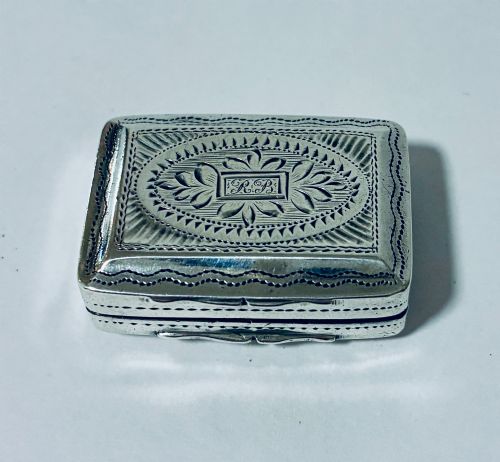
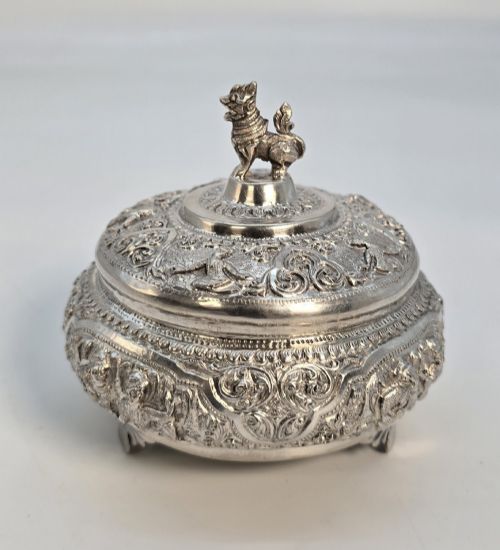
A period silver box encompasses a diverse array of small lidded containers designed for specific domestic and personal uses across past centuries. When searching for a period silver box, buyers encounter functional objects ranging from miniature vinaigrettes to substantial tea caddies.
The selections span distinct historical eras including the Georgian, Regency, and William IV periods, alongside examples from the seventeenth and nineteenth centuries. These items frequently incorporate precious materials beyond metal, such as tortoiseshell and satinwood.
Materials and construction
Silversmiths utilised solid silver, silver gilt, and sterling silver to form the primary structures and mounts of these containers. Techniques included delicate metalwork, chasing, and hallmarking to designate quality and origin.
Cabinetmakers combined woods like satinwood and oak with tortoiseshell panels, securing them with fine silver mounts. Artisans also worked with bone and agate as decorative accents on boxes and caddies.
Listings feature periods ranging from the 17th century through the Georgian and Regency eras up to the 1920s.
Qualities that distinguish the pieces
The sophistication of the metalwork and the precision of the joinery separate standard examples from finer ones. Superior pieces display intricate chasing, well-fitted lids, and harmonious combinations of materials like tortoiseshell and silver gilt.
Condition and originality dictate distinction, particularly when pieces retain their original linings, interior compartments, and clear hallmarks. Converted items or those lacking structural integrity sit lower in the range.
Wang Hing and Co·Reily and Storer
The Period Silver Box Glossary
- Vinaigrette
- A small ornamental box featuring a perforated inner grille used for holding a sponge soaked in aromatic vinegar. These portable containers were popular personal accessories during the Georgian and William IV eras.
- Tea Caddy
- A box or jar designed to store dry tea leaves securely under lock and key. Examples from the Regency period often incorporate tortoiseshell or fine woods with silver mounts.
- Silver Gilt
- Silver that has been coated with a thin layer of gold on its surface. This technique provides a rich interior or exterior finish while utilising silver as the base metal.
- Hallmark
- An official stamp applied to precious metals to indicate purity, maker, and year of assay. These marks help verify the age and authenticity of nineteenth-century pieces.
Period Silver Box: Frequently Asked Questions
What were small silver boxes used for?
These containers served specific domestic and personal functions, holding valuable commodities like tea, snuff, or aromatic vinegars. Wealthy households kept them close at hand in principal rooms.
Over time, changing social habits transformed their utility, turning functional storage items into decorative tabletop objects or collectible cabinet pieces.
How do I identify a Regency tea caddy?
Regency tea caddies often feature distinct architectural forms, such as octagonal shapes or bow-fronted profiles, constructed from exotic materials like tortoiseshell. They frequently rest on small bracket feet and retain internal compartments for blending leaves.
Examining the interior reveals remnants of foil linings or wooden lids that kept the expensive tea dry and fragrant during the early nineteenth century.
What is the difference between silver and silver gilt?
Solid silver presents a bright metallic white appearance that develops a natural tarnish over years of exposure to air. It forms the structural body of many boxes and vinaigrettes.
Silver gilt involves applying a thin gold layer over the silver base, creating a warm golden sheen that protects the interior metal from acidic contents like vinegar.
How should I care for tortoiseshell mounts?
Tortoiseshell requires stable environmental conditions away from direct sunlight and extreme heat to prevent warping or splitting. Gentle dusting with a dry, soft cloth preserves the natural lustre of the material.
Avoid using liquid cleaners or harsh chemicals on the delicate silver mounts adjacent to the shell panels to protect the historical surface.