


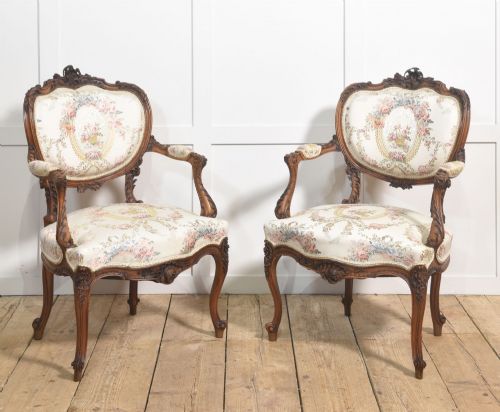


Period Seating Frame
A period seating frame anchors a room with structural timber and exposed woodwork before upholstery takes over.
Period Seating Frame
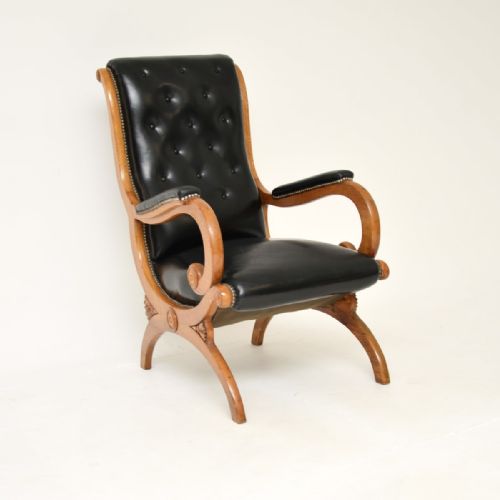
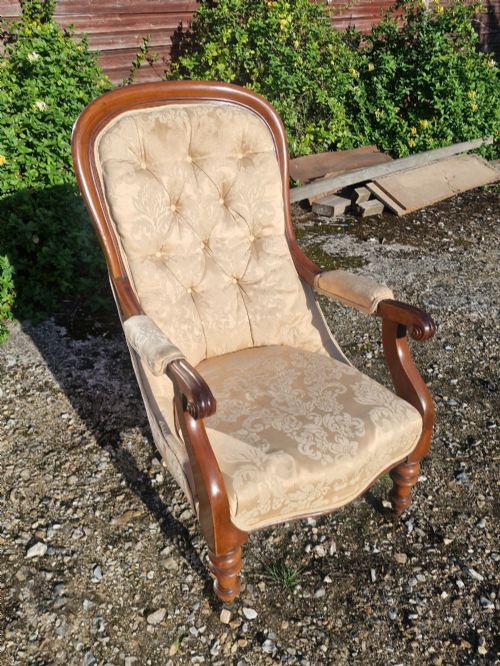
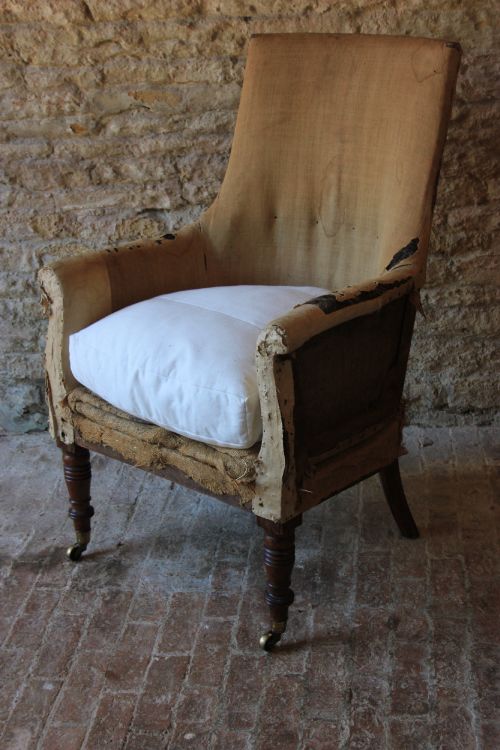
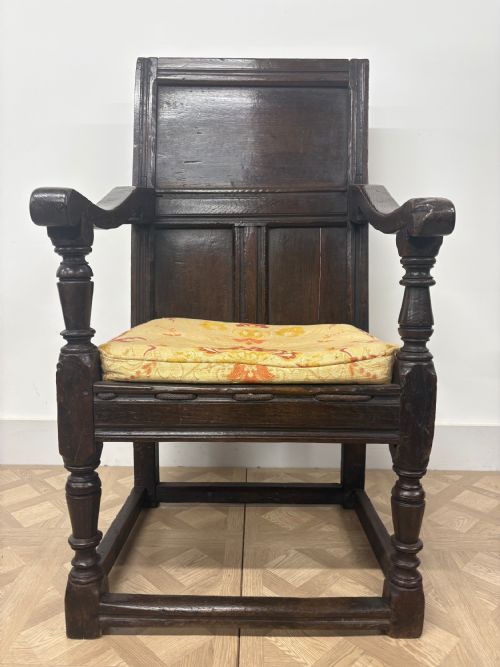
A period seating frame encompasses chairs, settees, sofas, and stools whose exposed wooden structures define their character. When searching for a period seating frame, buyers encounter diverse forms ranging from robust oak wainscot armchairs to elegant mahogany and walnut library chairs.
The selection on this page spans several centuries, touching the 17th, 18th, 19th, and 20th centuries. Victorian and Georgian examples appear frequently alongside Regency, Edwardian, and Art Deco pieces, offering distinct stylistic lineages from English and French workshops.
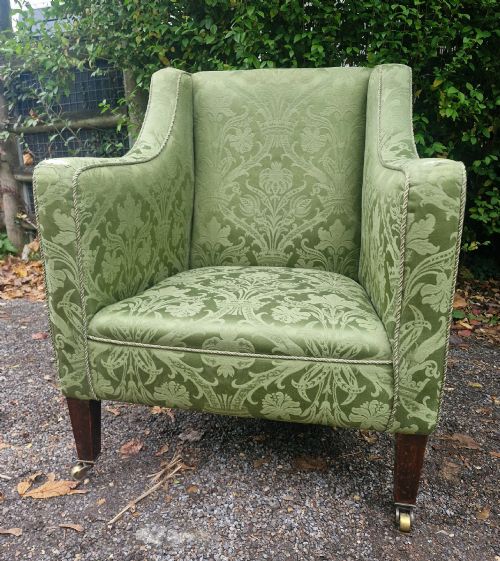
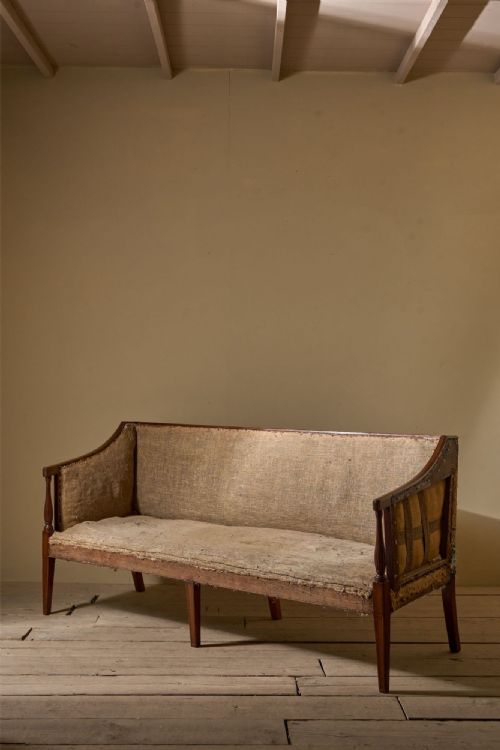
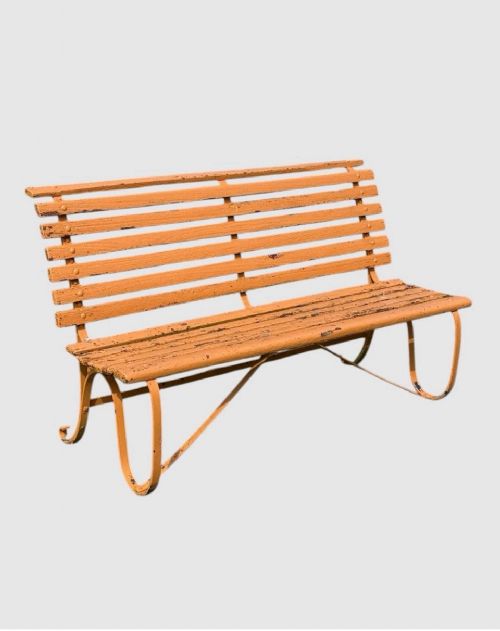
Beyond standalone chairs, the offerings include larger show frame sofas, garden benches, and footstools. Each piece displays the underlying skeleton of timber, brass, or cast iron that supports the upholstery, fabric, or leather.
Materials and construction methods
Cabinetmakers utilised hardwoods such as mahogany, walnut, oak, and rosewood to build the structural skeleton of each seat. These timbers were often carved, turned, ebonised, or gilt to achieve the desired aesthetic of the period.
Construction techniques combined traditional joinery with supportive elements like brass fittings, iron components, and upholstery fabric. Frames were shaped to hold buttoned leather, tapestry, or drop-in seats securely within the wooden framework.
Period Seating Frame Retail Price Guide 2026
Typical asking prices for period seating frame among the pieces listed under this phrase on Sellingantiques today, from the lower quarter to the upper quarter. They describe what is for sale here now, not the wider market.
Listings feature frames in mahogany, walnut, oak, rosewood, and cast iron across Victorian, Georgian, Regency, Edwardian, and Art Deco periods.
Distinctions in quality and execution
The standard of a frame rests on the crispness of its carving and the integrity of its timber. Superior examples exhibit precise joinery, well-defined turned or fluted supports, and carefully selected grains in mahogany or walnut.
Makers who invested time in detailed show frames, balanced proportions, and robust stretchers produced pieces that endure. The distinction between ordinary production and finer craftsmanship lies in the depth of the carving and the rigidity of the assembled frame.
J.Mills·J Cecil Bradshaw·John Raphael Smith·John Russell RA
The Period Seating Frame Glossary
- Show frame
- A wooden structural framework left exposed around the upholstered portions of a sofa or armchair. This design highlights the polished timber and carving of the piece rather than concealing it beneath fabric.
- Wainscot armchair
- A heavy wooden chair constructed primarily from oak, typical of the 17th century. These sturdy seats feature solid panel backs and turned supports.
- Drop-in seat
- An upholstered seat frame designed to lift in and out of a chair recess independently. This construction method allows easier reupholstery without dismantling the main chair structure.
- Carver armchair
- A dining or open armchair with arms, traditionally placed at the head of a table or used as a standalone seat. They often feature carved slot backs and supportive stretchers.
Period Seating Frame: Frequently Asked Questions
What defines a period seating frame?
A period seating frame is the exposed wooden skeleton of an antique chair, sofa, or stool. It showcases the craftsmanship of past centuries through visible timber and carving.
These structures provide the primary support while dictating the stylistic era of the furniture piece.
How do I identify the age of a frame?
Dating relies on observing the timber species, joinery methods, and stylistic cues present in the woodwork. Oak points towards earlier centuries, while mahogany and walnut often indicate Georgian or Victorian origins.
Comparing the carved motifs and support shapes with documented periods helps narrow down the timeframe.
Can these frames be safely reupholstered?
Most wooden frames are built to accommodate new fabric or leather while preserving the underlying structure. Traditional show frames allow modern textiles to be fitted without hiding the carved timber.
Consulting a specialist ensures the historical integrity of the wood remains undisturbed during restoration.
Where should I place a heavy wooden armchair?
Sturdy chairs like oak wainscot models suit studies, libraries, or hallway spaces where their substantial presence anchors the room. Lighter walnut or mahogany open armchairs fit well in drawing rooms.
Positioning them away from direct heat sources protects the antique wood from drying out.