
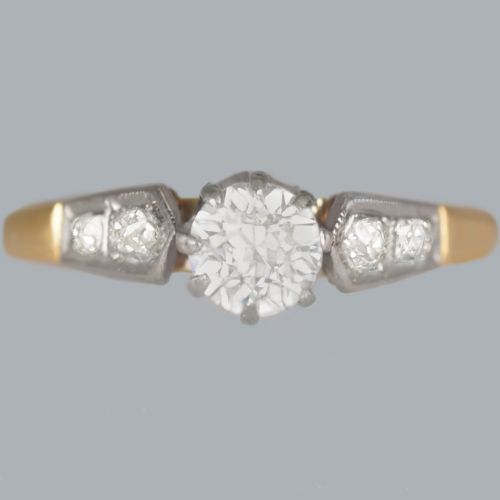


Period Ring
A period ring is a wearable piece of history, drawing collectors through distinctive old craftsmanship and authentic historic character.
Period Ring
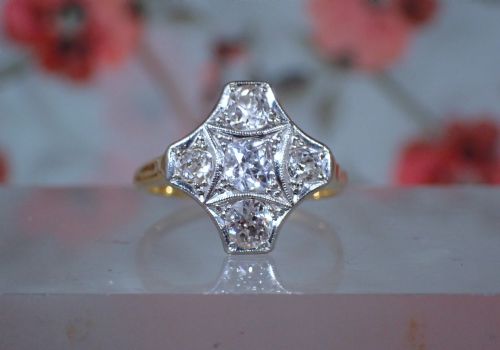
A period ring represents historical eras spanning the Georgian, Victorian, Edwardian, and Art Deco periods, capturing centuries of design evolution. When exploring a period ring, you encounter diverse forms ranging from intricate multi-stone clusters to clean geometric arrangements.
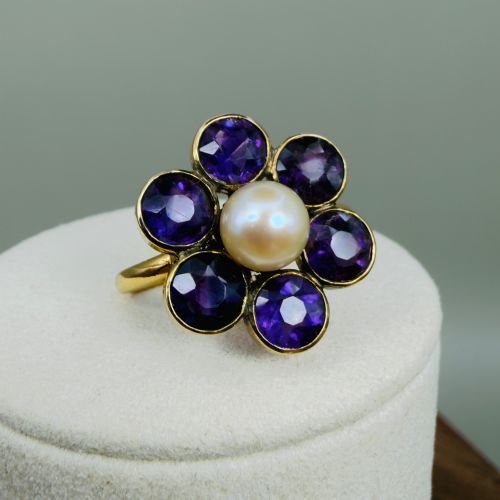
The selections available here lean heavily into fine gold and platinum settings, often incorporating diamonds alongside pearls, amethysts, sapphires, and emeralds. These rings served as symbols of status, affection, and fashion during their respective centuries.
Makers and designers from these distinct historical windows utilised specific regional techniques, giving each ring an identifiable regional and chronological fingerprint. Understanding these details helps clarify the exact historical context of your chosen piece.
Materials and construction methods
Construction relies heavily on precious metals like 18ct gold, yellow gold, and platinum, frequently paired with silver in earlier Georgian examples to enhance stone brilliance. Goldsmiths shaped these metals by hand, utilising techniques suited to the prevailing aesthetic of the period.
Gemstones such as diamonds, sapphires, pearls, and emeralds were secured using early cutting styles like the old European cut, or set closely within cluster formations. Metalwork often integrated delicate claw settings or bezel mounts to frame the central stones securely.
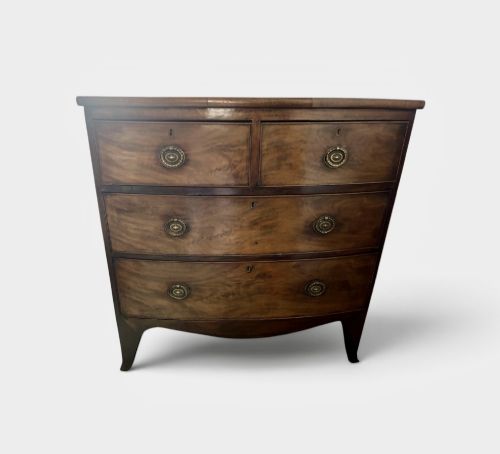
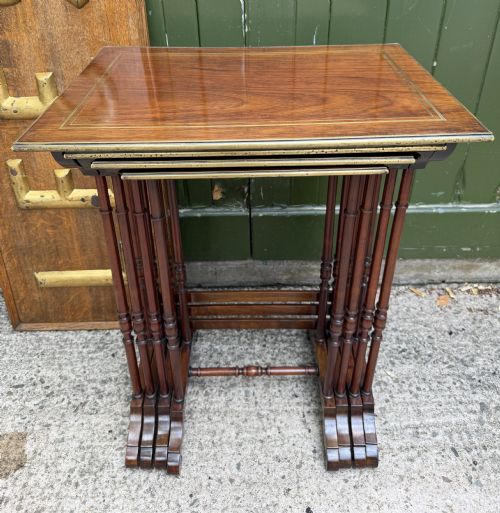
Among the historical items listed alongside these rings are brass door knockers, ship's decanters, and nesting tables.
Distinctions in craftsmanship and condition
Quality separates pieces through the precision of the metalwork and the originality of the gemstones, where intact settings and minimal wear indicate superior preservation. Hand-forged details and crisp cutting in the mounting show the hand of a skilled artisan rather than mass production.
The integrity of the structural basket and the security of the stone settings dictate daily wearability, distinguishing robust examples from those requiring restoration. Original patination on the metal surfaces further marks a well-preserved antique specimen.
William Speakman·WILLIAM CLEMENT OF TOTNES·KEITH MURRAY
The Period Ring Glossary
- Georgian
- A period spanning the eighteenth and early nineteenth centuries, known for foil-backed stones and hand-cut gold and silver mounts. Jewellery from this era displays distinct regional British and European characteristics.
- Victorian
- An era defined by the reign of Queen Victoria, encompassing varied stylistic revivals and sentimental motifs involving pearls, amethysts, and gold. Craftsmanship during this time shifted towards industrial standardisation while retaining hand-finished details.
- Edwardian
- A twentieth-century period marked by delicate platinum work, diamond-heavy designs, and lace-like openwork. This style prioritised lightness and intricate filigree execution.
- Art Deco
- A twentieth-century design movement focused on geometric symmetry, bold lines, and combinations of platinum, yellow gold, emeralds, and diamonds. The aesthetic reflects modern industrial influences.
- Cluster ring
- A ring design featuring a central gemstone surrounded by a border of smaller stones, typically diamonds or pearls. This arrangement maximised visual impact and perceived stone size.
Period Ring: Frequently Asked Questions
How do I identify a Georgian period ring?
Georgian rings frequently feature closed-back settings where coloured foil was placed beneath gemstones to enhance their radiance under candlelight.
You will also notice heavy use of yellow gold combined with silver on the face to securely hold stones before platinum became common.
What defines an Art Deco ring?
Art Deco rings showcase strong geometric lines, symmetry, and an architectural approach to precious metal placement.
Platinum and 18ct yellow gold dominate these settings, frequently housing old European cut diamonds alongside calibre-cut sapphires or emeralds.
Are these rings suitable for everyday wear?
Many period rings withstand daily use, though older settings require careful handling due to age and delicate handmade claw structures.
Consulting a specialist regarding the integrity of the prongs ensures your antique jewellery remains secure during regular activities.
How do Edwardian rings differ from Victorian ones?
Edwardian designs lean heavily into lace-like platinum frameworks and diamond clusters, prioritising an airy, ethereal aesthetic.
Victorian jewellery tends toward heavier gold bands, sentimental motifs, and richer coloured gemstones like amethysts and pearls.