

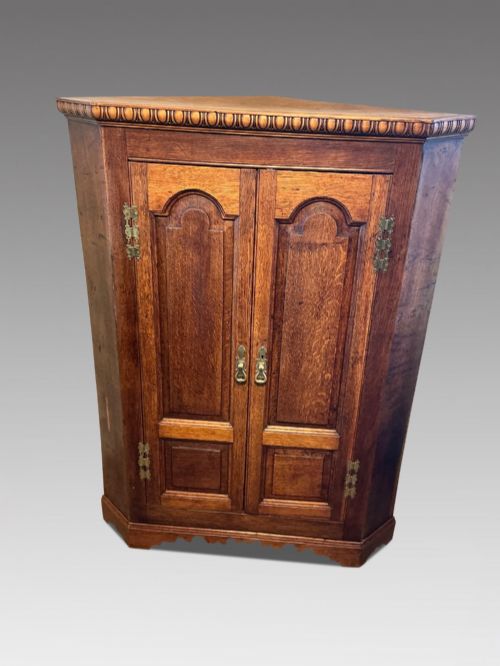


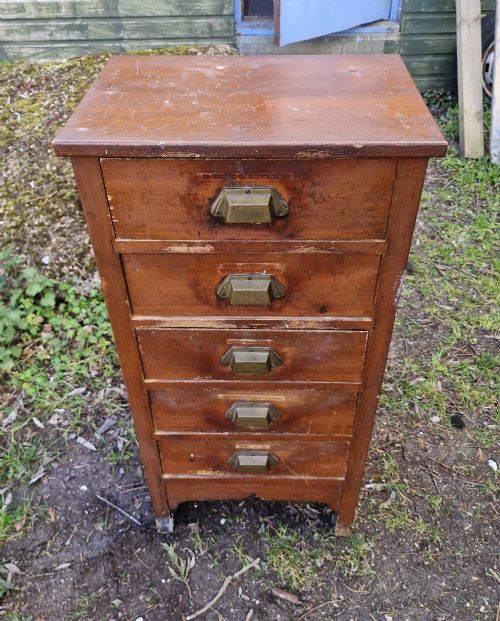


Period Oak Storage Cupboard
A period oak storage cupboard brings robust construction and rich grain to a room, offering enduring utility across centuries of domestic life.
Period Oak Storage Cupboard
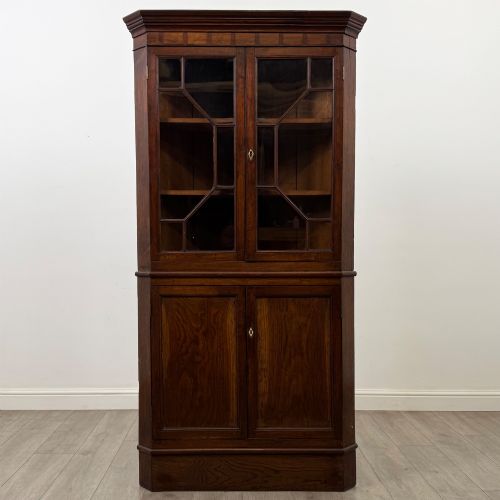
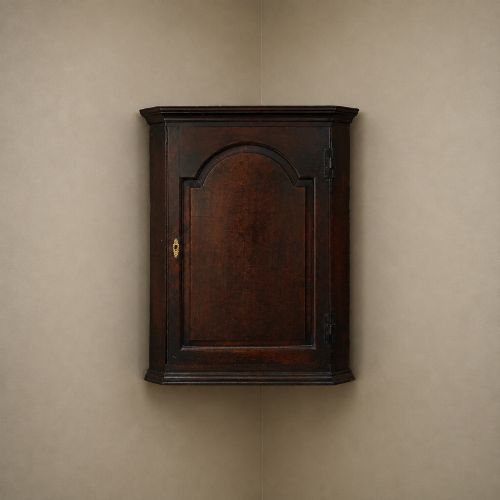
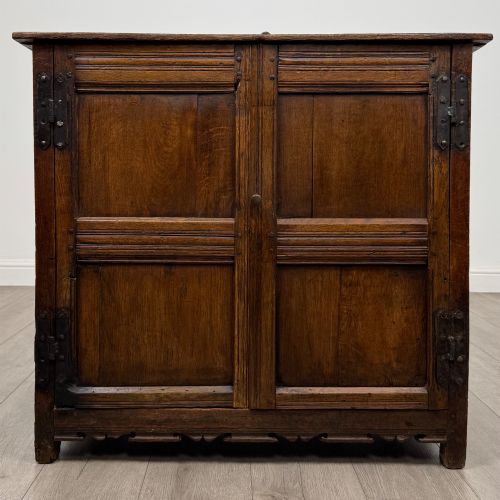
A period oak storage cupboard represents a diverse array of domestic furniture designed to hold provisions, linens, and household goods safely away. These utilitarian pieces range from wall-hanging and floor-standing corner cabinets to substantial court cupboards, livery cupboards, and housekeeper's storage units.
Buyers browsing this selection will most frequently encounter Georgian and eighteenth-century examples, often featuring panelled doors, brass or iron hardware, and distinct regional characteristics. Corner cupboards and standing cabinets dominate the selection, reflecting the practical need to utilise domestic space efficiently.
Origins span English country workshops to provincial French makers, encompassing styles from Elizabethan and Jacobean through to Georgian and Victorian periods. The survival of these functional items demonstrates the enduring appeal and structural resilience of solid timber construction.
How they were made
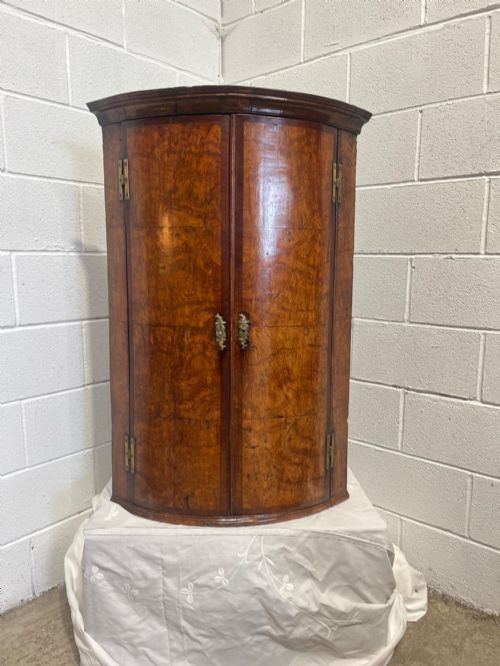
Carpenters utilised solid oak, occasionally incorporating burr oak for decorative contrast, alongside pine for internal secondary elements. Panels were typically held within framed structures using traditional joinery methods that allowed the timber to expand and contract naturally with seasonal humidity changes.
Hardware such as hinges, handles, and escutcheons relied on forged iron and cast brass, secured with hand-cut screws or rivets. Surface finishes developed through decades of waxing and handling, preserving the natural figure of the wood without heavy modern varnishes.
Period Oak Storage Cupboard Retail Price Guide 2026
Typical asking prices for period oak storage cupboard among the pieces listed under this phrase on Sellingantiques today, from the lower quarter to the upper quarter. They describe what is for sale here now, not the wider market.
Listings feature oak predominantly, supported by brass and iron hardware, across Georgian, seventeenth-century, and nineteenth-century periods.
What varies in quality
The distinction between standard utility items and exceptional examples lies in the selection of the timber and the crispness of the carved details. Cabinets displaying well-figured oak panels and balanced proportions demonstrate a higher tier of regional craftsmanship.
Originality of hardware and internal fittings heavily influences the character of each piece. Retaining period brass handles, working locks, and unaltered interior shelving marks out a superior survivor from one heavily restored over subsequent centuries.
The Period Oak Storage Cupboard Glossary
- Court cupboard
- An early form of enclosed storage furniture, often featuring upper and lower tiers with carved supports. These substantial pieces served as status symbols in substantial homes.
- Livery cupboard
- A traditional storage unit originally used for keeping food and candles safe from household pests. They frequently feature louvred or pierced panels to allow ventilation.
- Housekeeper's cupboard
- A large, multi-door storage piece designed for domestic management and linen organisation. They typically combine upper cupboard space with lower drawers.
- Corner cupboard
- A space-saving cabinet specifically built to fit neatly into the ninety-degree junction of two walls. Versions exist as wall-hanging units or tall floor-standing furniture.
- Raised panel
- A wooden insert with bevelled edges fitted into a grooved frame. This technique adds depth to cabinet doors while accommodating timber movement.
Period Oak Storage Cupboard: Frequently Asked Questions
How do I date an oak cupboard?
Dating relies on observing construction techniques, timber preparation marks, and stylistic clues such as carving patterns and hardware. Earlier pieces from the seventeenth century often show hand-riven timber and pegged joints, whereas eighteenth-century Georgian examples display more refined mouldings and fitted drawers.
Secondary woods also provide clues, as pine backing became more common in later periods. Comparing the piece against documented examples from specific stylistic eras helps narrow down the decade of manufacture.
Where should I place a corner cupboard?
Corner cupboards suit awkward angles and unused junctions in dining rooms, hallways, or living spaces. Wall-hanging versions attach securely at eye level to display contents, while standing versions anchor directly to the floor.
Ensure the wall angles match the cabinet back precisely before installation. Positioning them away from direct heat sources protects the historic oak timber from drying out and splitting.
How do I care for antique oak furniture?
Maintain the timber by applying a traditional beeswax polish sparingly and buffing with a soft brush. Avoid silicone-based modern sprays, which can penetrate the grain and damage the historic finish.
Keep the cupboard away from direct sunlight and radiators to prevent warping or shrinkage. Stable room humidity preserves both the solid oak structure and the original iron or brass hardware.
What is the difference between a court cupboard and a standard cabinet?
A court cupboard is an earlier form dating often from the sixteenth or seventeenth century, characterised by distinct tiered sections and heavy architectural carvings. Standard storage cabinets tend to feature simpler upright configurations designed strictly for internal capacity.
Court cupboards frequently incorporate open or enclosed upper stages meant for display and storage combined. Standard cupboards focus purely on concealed storage behind panelled doors.