



Period Oak Panelled Cabinet
A period oak panelled cabinet brings substantial timber and centuries of domestic storage into a room.
Period Oak Panelled Cabinet
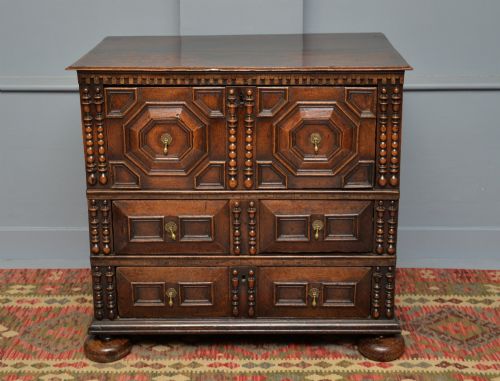
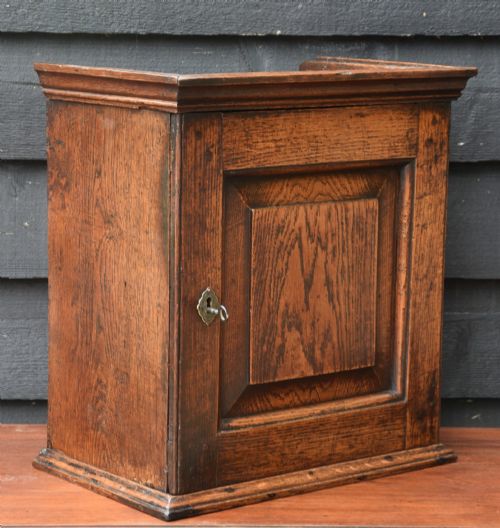
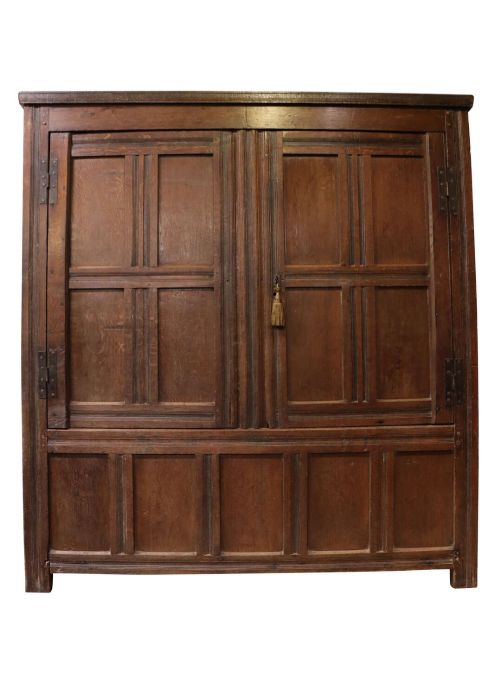
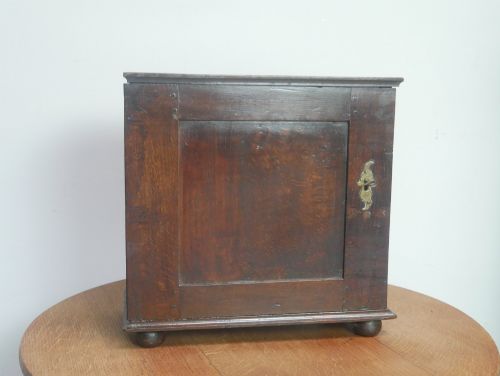
A period oak panelled cabinet encompasses sturdy timber storage vessels built across the seventeenth, eighteenth and nineteenth centuries. These pieces range from compact wall-hanging corner cupboards and spice boxes to floor-standing housekeeper's cupboards and court cupboards.
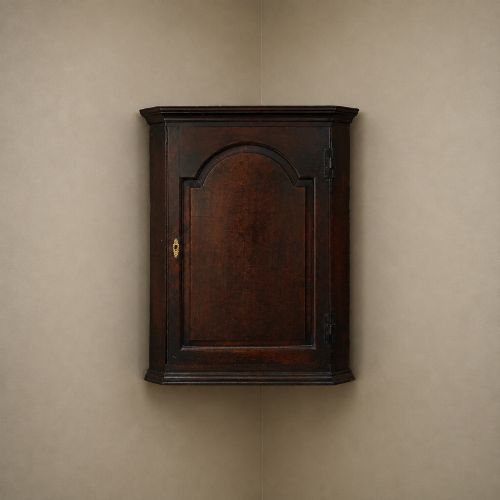
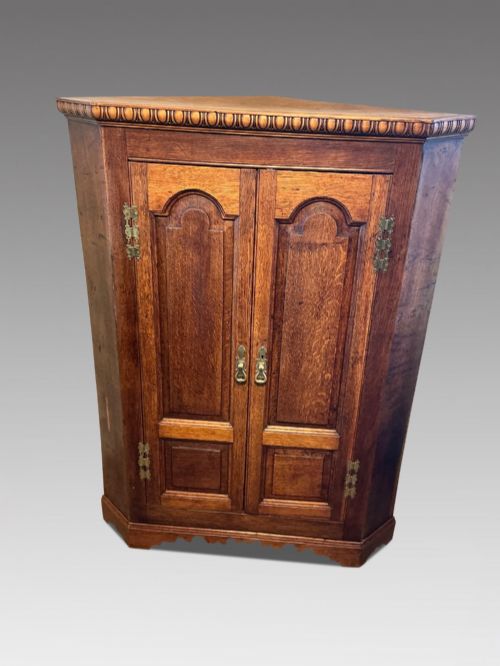
The version most commonly met on this page is the Georgian oak corner cupboard, frequently featuring raised panels and designed to utilise otherwise wasted domestic angles. Provincial French and Welsh variations also appear, alongside earlier Charles II iterations.
Makers constructed these storage pieces to hold provisions, linens and household valuables securely within homes of substance. Their heavy timber frames and panelled doors reflect the architectural joinery methods of their respective eras.
How they were made
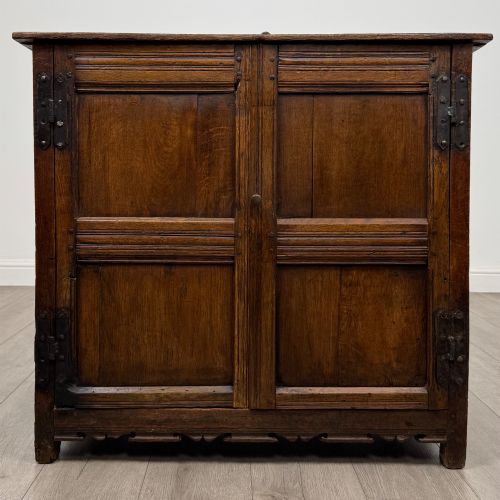
Joiners built these cabinets using solid oak boards joined with frame-and-panel construction to accommodate the natural expansion and contraction of the timber. Iron, wrought iron and brass hardware, including butterfly hinges and latches, secured the doors and added functional detail.
Carving and shaped raised panels frequently adorned the front elevations, reflecting Jacobean, Charles II or Georgian stylistic preferences. Surfaces were left to develop a natural patina over centuries of use rather than relying on heavy modern finishes.
Period Oak Panelled Cabinet Retail Price Guide 2026
Typical asking prices for period oak panelled cabinet among the pieces listed under this phrase on Sellingantiques today, from the lower quarter to the upper quarter. They describe what is for sale here now, not the wider market.
Many an antique spice cupboard hides miniature internal drawers originally intended for keeping secret culinary recipes locked away from the household staff.
What varies in quality
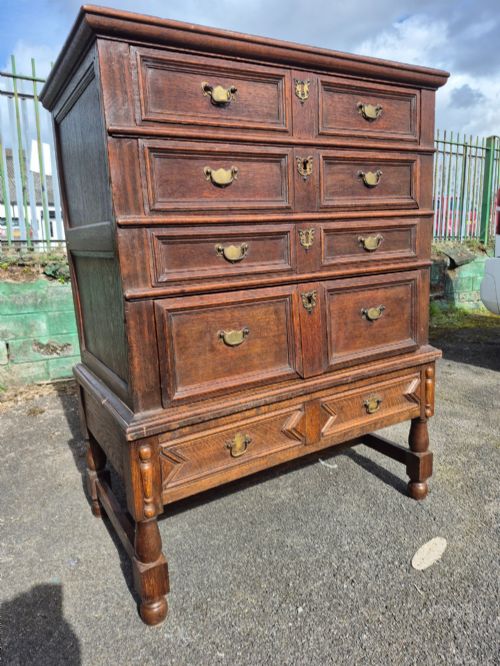
The calibre of a period oak panelled cabinet rests on the crispness of its joinery, the depth of the timber's patina and the integrity of its original construction. Pieces retain greater interest when brass or iron hinges, handles and escutcheons remain undisturbed by later replacements.
Proportion and decorative restraint dictate distinction, separating standard utility furniture from finer vernacular examples with carved enrichment or sophisticated raised panels.
The Period Oak Panelled Cabinet Glossary
- Raised panel
- A wooden panel with bevelled edges designed to fit tightly into a surrounding frame while allowing the timber to move safely with humidity changes.
- Court cupboard
- A heavy, multi-tiered oak storage piece from the seventeenth century or earlier, traditionally used for displaying plate and storing provisions.
- Escutcheon
- A protective brass or iron plate surrounding a keyhole, often shaped to complement the hardware of the cabinet.
- Patina
- The surface sheen and warm tone developed by aged oak through decades of handling, polishing and exposure to light.
- Vernacular furniture
- Domestic pieces made by local regional joiners for everyday use rather than high-style London workshops.
Period Oak Panelled Cabinet: Frequently Asked Questions
Where were corner cupboards placed?
These cabinets were built to fit snugly into the internal angles of panelled rooms and parlours, making efficient use of awkward domestic spaces.
Their triangular footprint allowed families to store tableware and dry goods out of the main traffic flow of the room.
How do I care for old oak?
Solid oak timber responds best to a stable indoor environment away from direct heat sources and dramatic humidity fluctuations.
Applying a traditional beeswax polish occasionally helps nourish the wood and maintain its historic surface sheen.
What is a court cupboard?
A court cupboard is an enclosed wooden storage furniture form dating back to the seventeenth century, often featuring carved upper sections and recessed lower tiers.
These substantial pieces served as status symbols in prosperous households for displaying silver and storing valuable linens.
How do I date an oak cabinet?
Dating relies on observing construction methods, such as hand-cut joinery, the style of the raised panels, and the profile of hinges and ironwork.
Stylistic markers like Jacobean strapwork or Georgian symmetry also offer clear clues to the period of manufacture.