



Period Nursing Chair
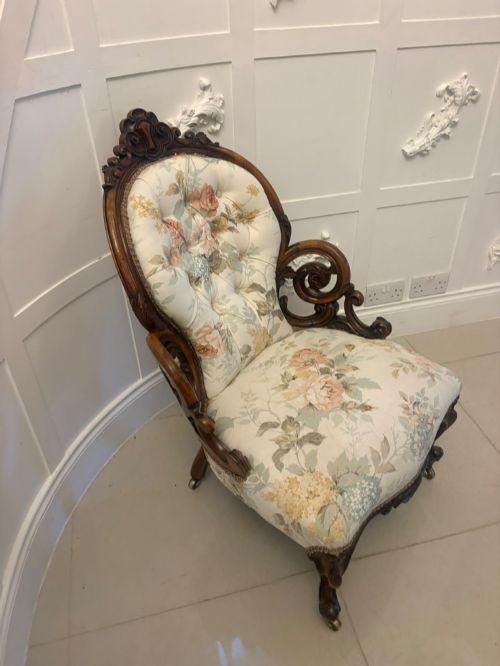
These low-seated period nursing chair examples offer a comfortable bedroom seat designed with a low posture for easy infant care.
Period Nursing Chair
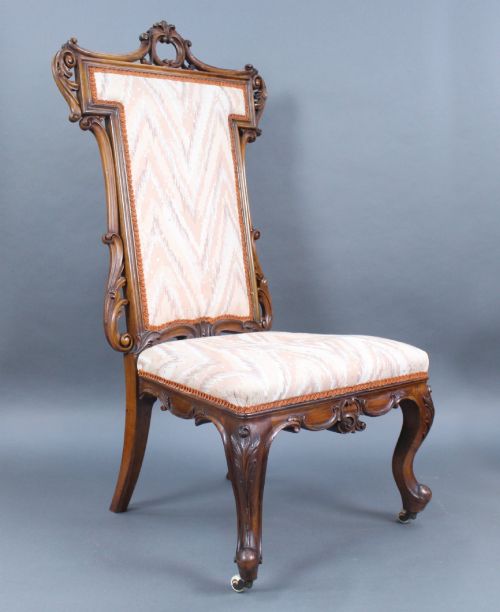
A period nursing chair sits low to the floor, created during the Victorian, Edwardian, and Regency eras for seated comfort in bedrooms and firesides. The listings on this page include Victorian walnut and mahogany pieces, alongside Edwardian bedroom chairs and Regency slipper chairs.
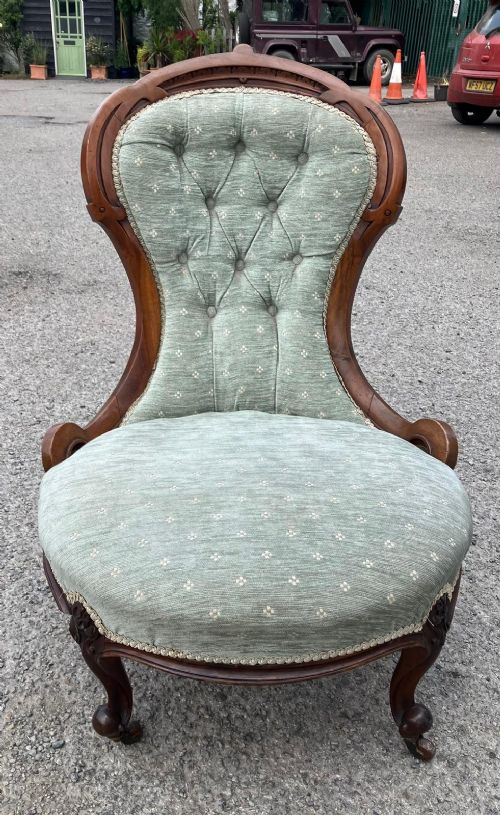
The form encompasses low armchair designs, occasional chairs, and cane-seated examples, frequently featuring button backs and upholstered seats. Most examples stem from the nineteenth century, reflecting the domestic habits of the period.
How they were made
Carpenters shaped these frames from solid hardwoods like mahogany and walnut, often employing heavy carving along the crest rails and show wood frames. Iron framing and brass castors appear on specific Victorian iterations to provide structural support and mobility.
Upholstery fabrics, velvet, and various textiles cover the padded seats and backs, secured over internal stuffing. Ceramic components and wooden legs finish the construction of these bedroom and fireside chairs.
Period Nursing Chair Retail Price Guide 2026
Typical asking prices for period nursing chair among the pieces listed under this phrase on Sellingantiques today, from the lower quarter to the upper quarter. They describe what is for sale here now, not the wider market.
Low seats allowed Victorian mothers to nurse comfortably while wearing voluminous crinoline skirts without tangling in the fabric.
What varies in quality
The intricacy and depth of the wood carving dictate the distinction between standard bedroom seating and finer parlour examples. Crisp detailing on walnut and mahogany frames demonstrates superior craftsmanship by the cabinetmaker.
The integrity of the original wood structure and the quality of the replacement upholstery materials influence the overall presentation. Chairs retaining firm iron framing and original castors show a higher standard of construction.
The Period Nursing Chair Glossary
- Spoon back
- An upholstered chair back shaped in the concave outline of a spoon, popular in nineteenth-century seating. This contour fits the curve of the human spine.
- Castor
- A small wheel mounted in a swivel frame attached to chair legs for easy movement across carpets and floors. These small metal fixtures often incorporate brass.
- Button back
- An upholstery method where depressions are formed in the padding by pulling buttons deep into the stuffing. This technique secures the textile and creates a padded geometric pattern.
- Occasional chair
- A movable seat intended for use in various rooms rather than a permanent furniture arrangement. These pieces complement larger drawing room or bedroom suites.
Period Nursing Chair: Frequently Asked Questions
What is a period nursing chair?
A period nursing chair is a low-seated nineteenth-century chair originally designed to allow mothers to nurse infants comfortably. These pieces typically feature low upholstered seats and supportive backs.
Today, they function well as bedroom, fireside, or occasional seating in traditional interiors. Their compact dimensions suit smaller spaces where standard armchairs might overwhelm the room.
How do I date a nursing chair?
Dating relies on observing the wood types, carved decorative motifs, and framing methods visible in the piece. Victorian examples often show walnut frames with heavy carving, while Edwardian pieces display distinct turnings.
Upholstery fabrics and internal webbing often undergo renewal over time, so the timber frame and joinery provide the most reliable indicators of age.
Where were these chairs used?
These chairs originated primarily in bedrooms, dressing rooms, and nurseries where low seating served domestic routines. The low posture kept the user comfortable near the hearth or bedside.
Contemporary placement usually places them in bedrooms as decorative accent pieces or beside living room fireplaces.
Are these chairs comfortable for daily use?
The low seat height and padded upholstery provide a supportive seat for reading or resting. Many pieces have received newly upholstered fabric surfaces during their lifetime.
Their compact proportions make them practical for everyday sitting in modern homes without occupying excessive floor space.