



Period Metal Container
These period metal container items range from heavy coal scuttles to delicate enamel boxes, offering practical utility and enduring craftsmanship for your home.
Period Metal Container
When you search for a period metal container, you uncover a diverse array of utilitarian and decorative vessels spanning multiple centuries and global workshops. The selections on this page encompass everything from robust fireside coal stores to intricate lidded pedestal bowls and desk accessories.
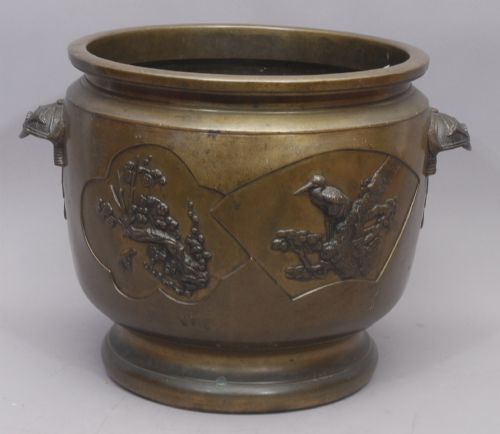
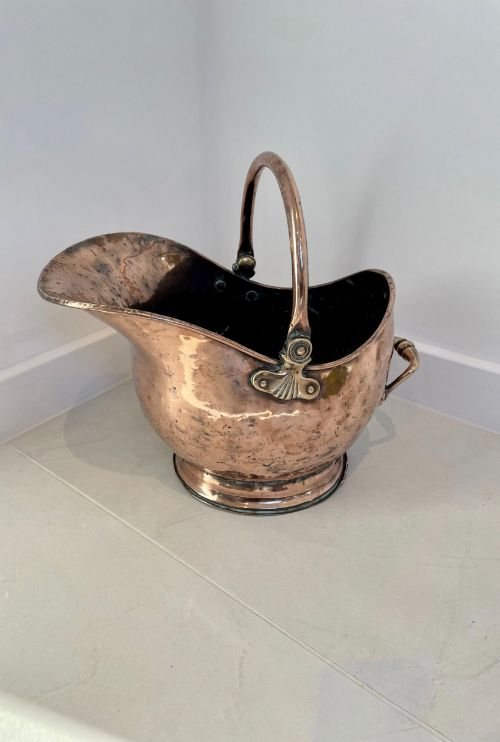
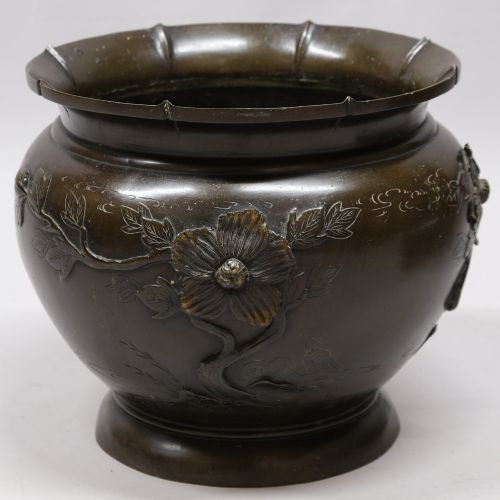
You are most likely to meet Japanese bronze jardinieres and English brass coal scuttles on this page, reflecting the strong representation of Meiji period metalwork and Regency hearthware. These pieces vary widely in scale, shifting from small pocket spectacle cases to large garden planters.
The forms bridge domestic utility and high decorative arts, capturing the industrial and artistic output of the nineteenth and early twentieth centuries. Each object reveals the specific functional demands of its original era, whether storing fuel or holding botanical arrangements.
Materials and construction techniques
Metalworking traditions on this page rely heavily on cast and beaten copper, brass, and bronze, often enhanced with applied patination or mixed metal inlay. Artisans utilised techniques like champleve and cloisonne enamel to fuse vitreous colours directly onto metallic surfaces.
Toleware and painted tin provide durable surfaces for domestic items through layered lacquering, while wrought iron strapwork delivers structural rigidity for larger planters. Craftsmen combined these materials with precision, soldering and riveting components to withstand daily household demands.
Period Metal Container Retail Price Guide 2026
Typical asking prices for period metal container among the pieces listed under this phrase on Sellingantiques today, from the lower quarter to the upper quarter. They describe what is for sale here now, not the wider market.
Several items double as hiding spots for coins or spare spectacles, proving our ancestors had secret stashes too.
Distinctions in craftsmanship and finish
The division between standard utility items and finer decorative works rests in the precision of the surface decoration and the handling of mixed metals. Pieces featuring detailed silver and gold inlay on bronze demonstrate a higher tier of artisan investment than plain cast vessels.
Structural integrity and the preservation of original patination dictate the standing of an object, particularly in items subject to heavy hearth or garden use. Finer examples retain their structural fastenings and enamel work without extensive modern intervention.
The Period Metal Container Glossary
- Jardiniere
- A decorative ceramic or metal pot or stand for holding plants or flowers. They often feature cast relief decoration or enamel work.
- Toleware
- Metalware painted and lacquered, typically in black or dark colours, popular in the Georgian and Regency periods. This technique provided an affordable yet refined finish for household boxes and trays.
- Cloisonne
- An ancient technique for decorating metal object surfaces with coloured glass paste placed within small metal wire compartments. Firing fuses the enamel permanently to the bronze or copper base.
- Champleve
- An enamelling technique where trenches are carved into the metal surface and filled with vitreous enamel before firing. It differs from cloisonne by utilising the hollowed metal body rather than applied wires.
- Suiban
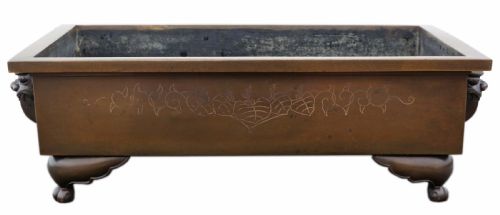
- A shallow Japanese basin used primarily for displaying stones or ikebana floral arrangements. These bronze or ceramic vessels rely on water retention and clean silhouettes.
Period Metal Container: Frequently Asked Questions
What is a toleware money box?
A toleware money box is a painted metal container from the Regency or Georgian era designed for saving coins. These small receptacles utilised lacquered tinplate to provide a sturdy and colourful desktop accessory.
Craftsmen decorated the exterior surfaces with hand-painted floral motifs or gilt trim, making them both practical safe-keeping items and decorative desk ornaments.
How do I clean antique bronze?
Antique bronze should be cleaned gently with a dry or slightly damp microfibre cloth to remove surface dust. Avoid harsh chemical polishes that strip away historical patination.
Preserving the natural oxidation layer is essential for maintaining the visual depth and market character of nineteenth-century metalwork.
What is a Japanese suiban?
A Japanese suiban is a shallow bronze or ceramic tray used to hold water for displaying cut flowers or ornamental stones. These containers formed an integral part of traditional ikebana floral artistry.
Their heavy cast bronze construction provided the necessary stability and water retention required for precise compositional displays.