





Period Mahogany Shelving
Period mahogany shelving brings warmth and architectural order to a room, offering adaptable tiers designed for books and display.
Period Mahogany Shelving
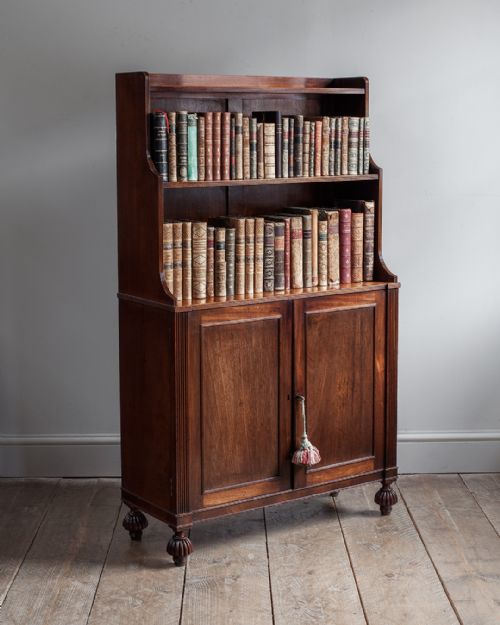
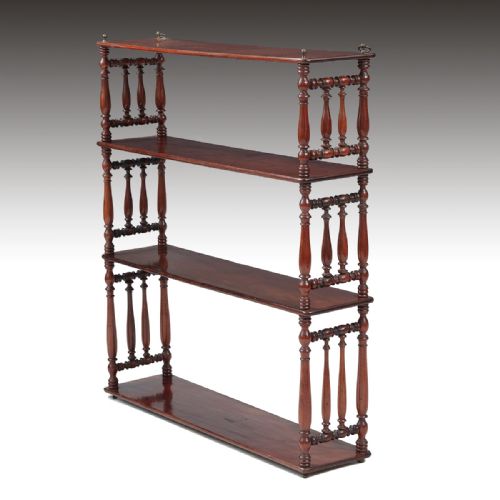
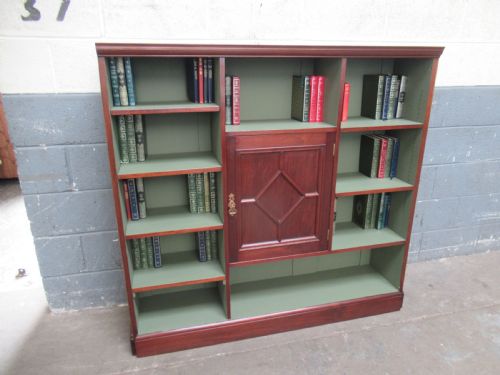
Period mahogany shelving encompasses a diverse range of formats designed for display and storage, from multi-tiered whatnots and etageres to open bookcases and hanging wall shelves. These items span the Georgian, Regency, and Victorian eras, demonstrating how domestic storage evolved from tailored display stands to functional architectural bookcases.
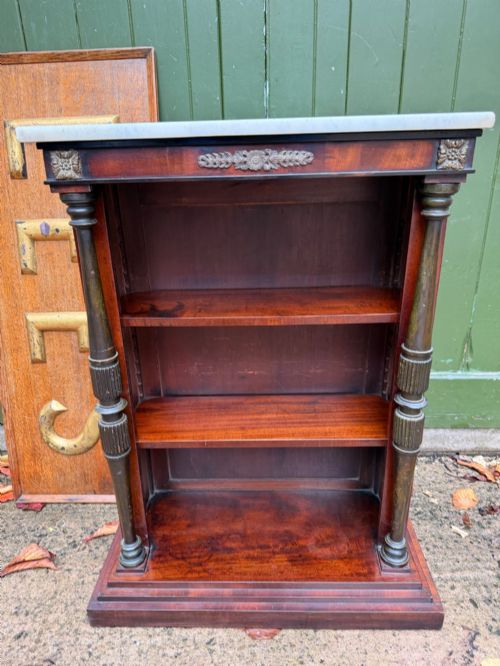
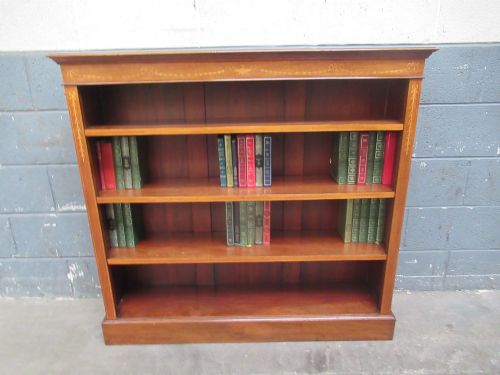
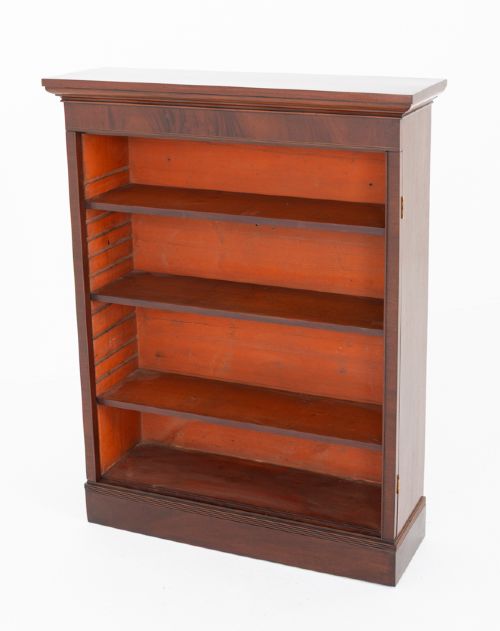
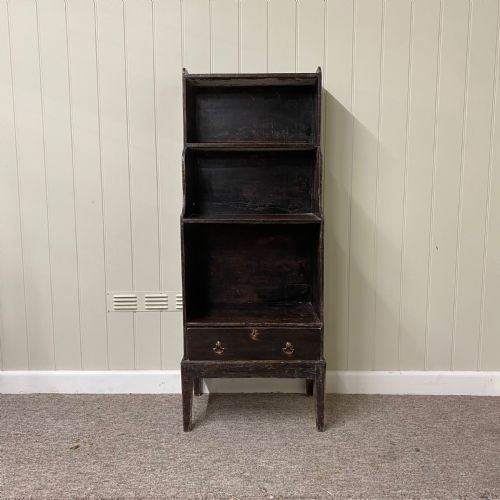
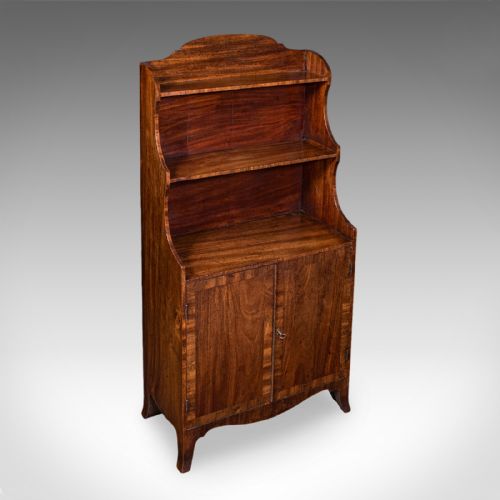
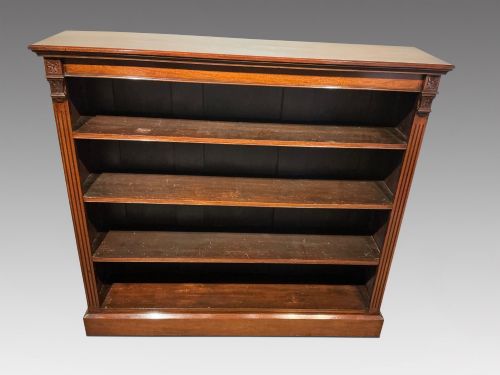
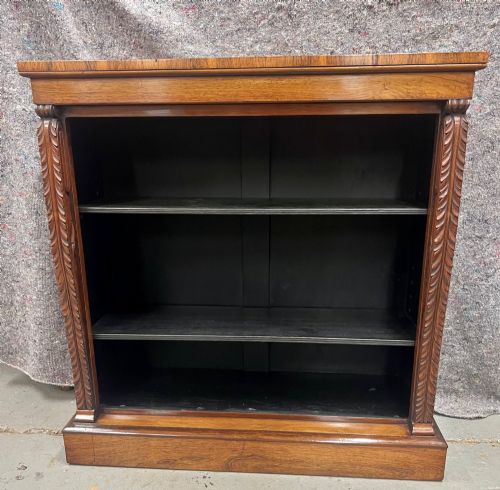
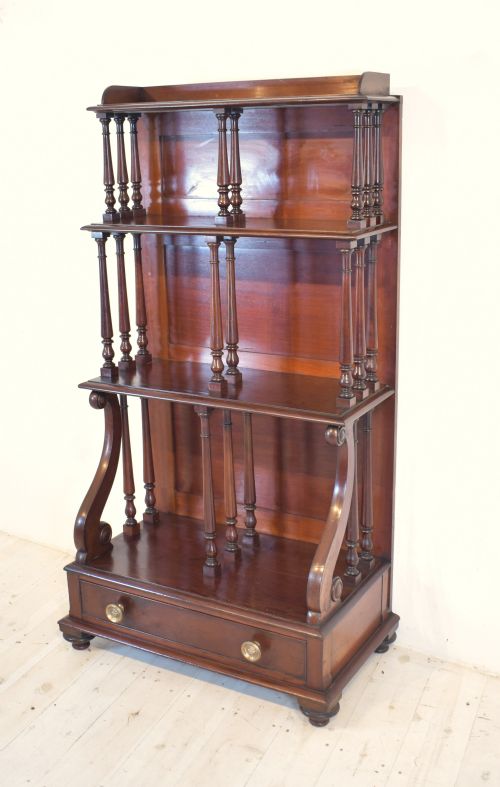
The version most commonly met on this page is the Regency or Georgian mahogany whatnot, alongside open bookcases and waterfall bookcases. These pieces frequently feature multiple tiers supported by slender uprights or enclosed lower cupboards, reflecting the versatile needs of historic interiors.
Materials and construction
Makers utilised solid mahogany and flame mahogany veneer, often pairing the timber with brass accents, leather inserts, and occasional paint finishes. The natural grain of the wood provides the primary visual interest, enhanced by polished surfaces and carefully turned supports.
Construction techniques balanced structural strength with visual lightness, particularly in tiered whatnots, etageres, and hanging wall shelves. Joinery was tailored to support tiered weight while maintaining slender vertical profiles across George III, Regency, and Victorian workshops.
Period Mahogany Shelving Retail Price Guide 2026
Typical asking prices for period mahogany shelving among the pieces listed under this phrase on Sellingantiques today, from the lower quarter to the upper quarter. They describe what is for sale here now, not the wider market.
Formats span open bookcases, hanging wall shelves, side cabinets, and multi-tiered etageres originating from the late eighteenth century onward.
Distinctions in quality
Quality in period mahogany shelving rests upon the selection of timber, particularly the depth of figure in flame mahogany veneer and the warmth of the polished surface. Superior pieces demonstrate crisp moulding, well-proportioned tiers, and integrated brass details that remain balanced rather than heavy.
Construction integrity and proportion further separate standard examples from finer works, such as breakfront bookcases or unusual waterfall formats. The refinement of turned uprights and the seamless integration of lower cupboards or drawers indicate the skill invested in the piece.
The Period Mahogany Shelving Glossary
- Whatnot
- An open piece of furniture consisting of a set of shelves, one above the other, used for displaying ornaments or books. These tiers are typically supported by slender columns or upright posts.
- Etagere
- A piece of furniture consisting of a set of open shelves for displaying small objects or ornaments. It shares similarities with the whatnot but often emphasises display over structural storage.
- Waterfall bookcase
- A set of open shelves where each successive shelf from top to bottom is slightly deeper than the one above. This creates a stepped profile resembling a cascading waterfall.
- Breakfront
- A cabinet or bookcase whose central section projects forward from the side sections. This architectural arrangement creates depth and shadow across the facade.
- Chiffonier
- A small sideboard or low cabinet, often equipped with shelves on the back or enclosed cupboards below. They became popular during the Regency and Victorian periods for compact domestic storage.
Period Mahogany Shelving: Frequently Asked Questions
What is an etagere?
An etagere is a multi-tiered piece of furniture designed specifically for the display of ornaments, books, or small collections.
Unlike standard bookcases, these stands rely on open shelves and slender supports to create a light, decorative presence in a room.
How do I identify a Regency bookcase?
Regency bookcases typically display clean architectural lines, classical proportions, and the use of dense mahogany timber.
Details such as brass inlay, brass gallery rails, or reeded columns often distinguish pieces from this specific period.
Where were hanging shelves used?
Hanging wall shelves were utilised in parlours, studies, and bedrooms to hold small volumes or display ceramics without occupying floor space.
They rely on sturdy wall brackets or side supports to bear the weight of books and decorative objects.