





Period Low Seat
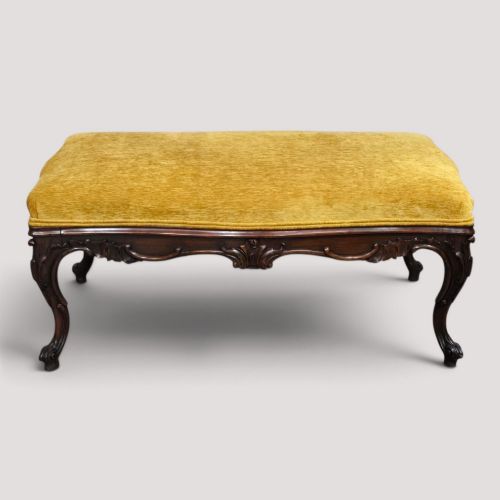
A period low seat brings compact, accessible comfort and traditional character to a room, spanning styles from Jacobean joint stools to Victorian nursing chairs.
Period Low Seat
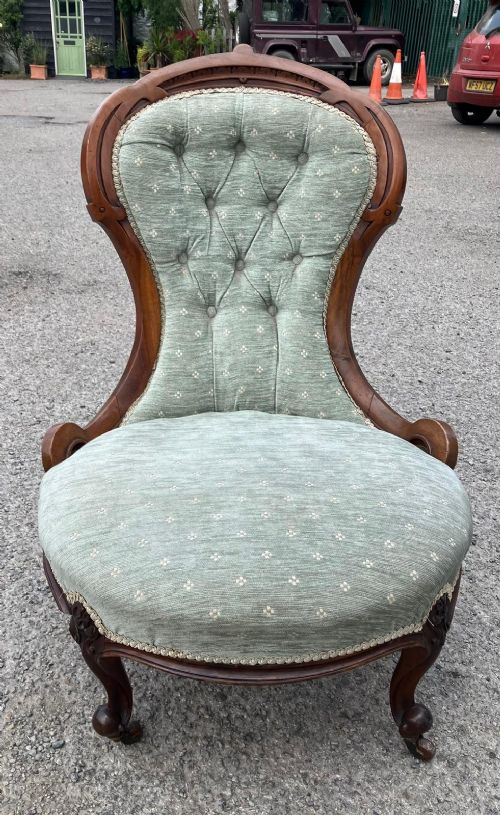
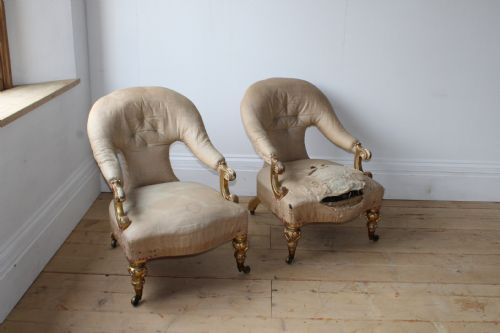
A period low seat encompasses small-scale domestic furniture designed for low-level seating, including nursing chairs, footstools, joint stools, and fireside chairs. These pieces serve functional domestic roles while occupying minimal floor space in traditional interiors.
The selection here draws primarily from Victorian and 19th-century examples, alongside earlier 17th-century pieces and later Art Deco items. Forms range from upholstered bedroom and fireside seating to rigid wooden joint stools and garden seating.
Materials and construction methods
Makers utilised dense timbers such as walnut, oak, mahogany, and rosewood for the structural frames, often employing carved wooden details. Joinery techniques reflect the period of origin, from early joint construction to later turned and carved supports.
Upholstered versions incorporate traditional textile coverings including velvet, fabric, and general textiles over padded foundations. Brass fixtures and ebonised finishes also appear on specific chairs and stools within the selection.
Period Low Seat Retail Price Guide 2026
Typical asking prices for period low seat among the pieces listed under this phrase on Sellingantiques today, from the lower quarter to the upper quarter. They describe what is for sale here now, not the wider market.
Listings feature periods spanning from the 17th century through the Victorian era to 1930, utilising walnut, oak, mahogany, and rosewood.
Evaluating craftsmanship and condition
Quality separates simple utility items from pieces displaying finer decorative carving and well-executed turnings on the wooden frames. The crispness of the timber detail and the integrity of the original construction indicate the standard of workshop production.
Upholstered pieces differ according to the retention of period textiles and the proportional harmony of the low-slung frame. Refinement in the silhouette and timber selection marks out superior examples from standard domestic furniture.
J.Mills
The Period Low Seat Glossary
- Nursing chair
- A low-seated upholstered chair originally designed for nursery use or personal grooming. These chairs typically feature a low profile and supportive backrest.
- Joint stool
- A sturdy wooden stool built with pegged mortise and tenon joints rather than traditional turning. These early pieces date to the seventeenth century and earlier.
- Ebonised
- Wood finished with a dark stain or pigment to imitate ebony. This treatment was common during the Victorian period for accentuating specific furniture forms.
- Rosewood
- A dense, heavily figured exotic timber prized for fine Regency and nineteenth-century cabinet work. Its rich grain adds considerable visual depth to stool and chair frames.
Period Low Seat: Frequently Asked Questions
What is a period low seat used for?
These low-profile chairs and stools were traditionally used in bedrooms, nurseries, or near fireplaces where a lower seating position was preferred for comfort or specific domestic tasks.
Today, they function well as accent pieces in living spaces, providing practical extra seating without dominating the room's layout.
How do I identify a Victorian nursing chair?
Victorian nursing chairs typically feature a notably low seat paired with a high, padded backrest, designed to allow comfortable sitting while wearing voluminous period dresses.
Look for turned wooden legs, often with castors, and traditional upholstery styles characteristic of the nineteenth century.
Are seventeenth century joint stools sturdy?
Seventeenth century joint stools were built using rigid pegged frame construction, making them exceptionally strong and durable despite their compact size.
They were originally used around the house for sitting or reaching high shelves, and their robust oak frames have allowed them to survive centuries of domestic use.
How do I care for antique upholstered low seats?
Keep upholstered period seating away from direct sunlight to prevent the textile coverings and delicate fabrics from fading over time.
Regular gentle dusting of the wooden frames with a dry cloth helps preserve the finish without harming antique wood or fabric surfaces.