






Period Linen Chest
These period linen chest pieces are robust timber boxes and presses built to store textiles, offering genuine historical utility for your home.
Period Linen Chest
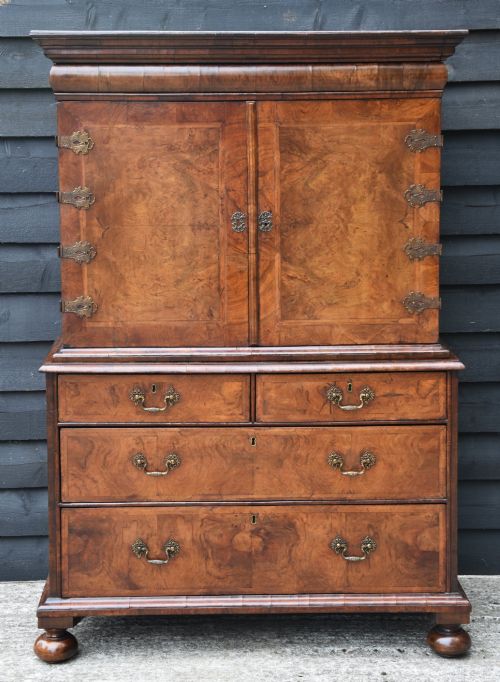
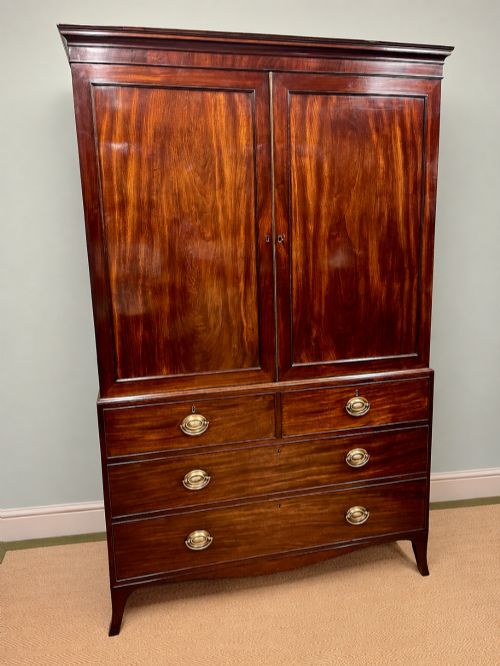
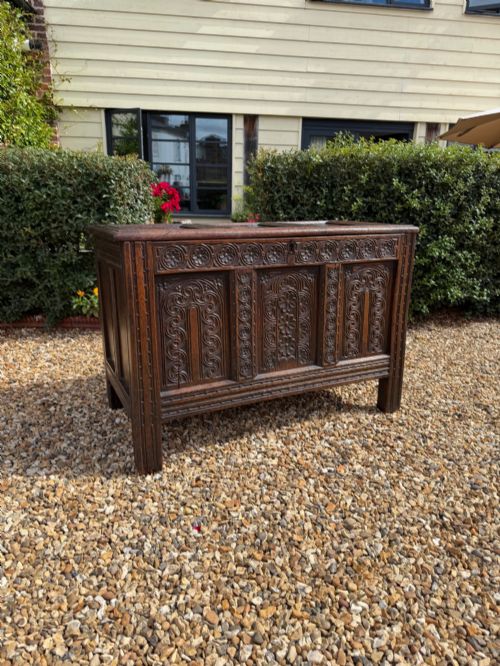
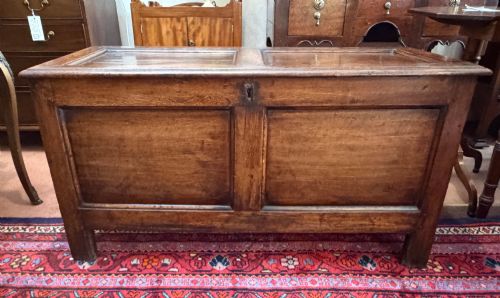
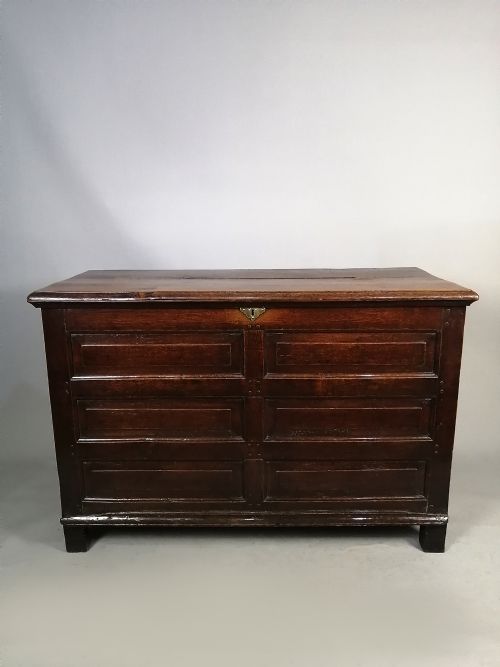
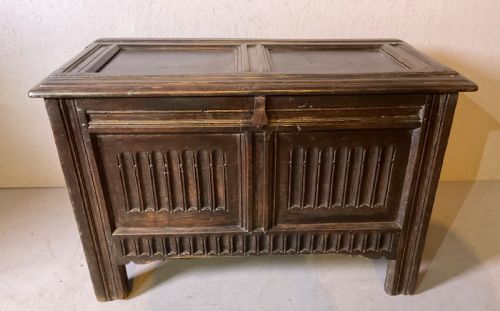
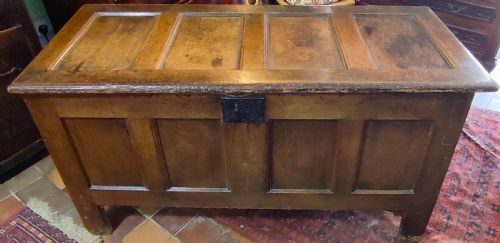
When you search for a period linen chest, you encounter sturdy seventeenth-century oak coffers alongside grand Regency and Georgian mahogany linen presses. The listings present substantial storage furniture originating from English, Welsh, Italian, and Chinese workshops.
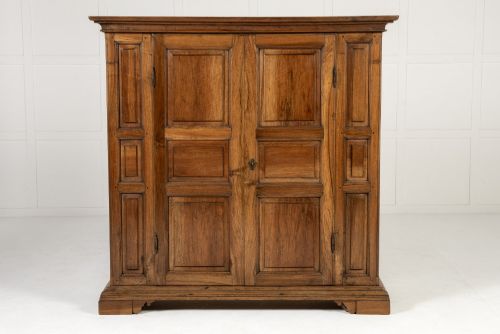
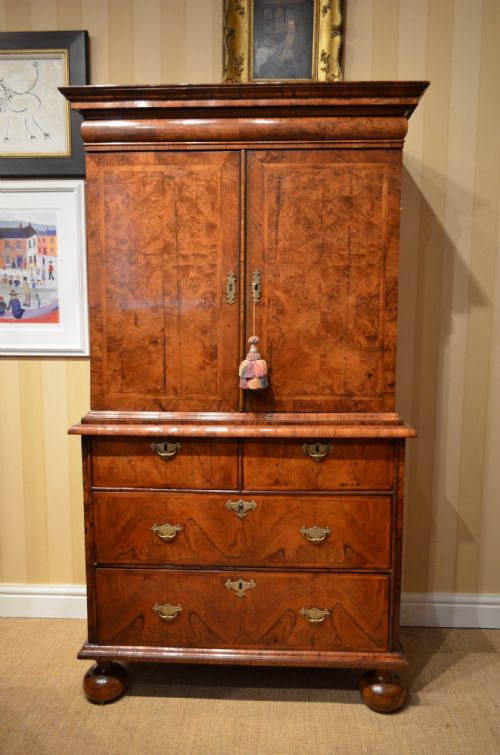
The objects span from simple panelled oak boxes to elaborate cabinet pieces featuring upper presses and lower drawer sections. Oak and mahogany dominate the selections, accompanied by walnut, pine, and exotic veneers.
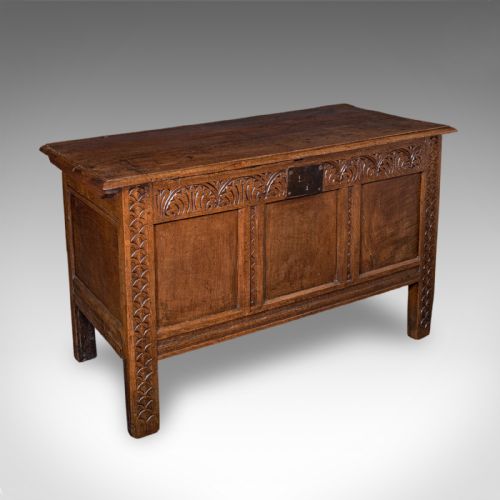
Buyers most frequently meet seventeenth-century oak coffers with carved details and nineteenth-century mahogany presses designed for domestic utility. These forms reflect centuries of evolution in household textile storage.
Assessing quality and craftsmanship
Quality reveals itself in the choice of timber figure, such as flame mahogany or burr amboyna, and the crispness of hand-carved decoration. Superior examples retain their original brass handles, working locks, and deep, untouched surface patination.
The structural integrity of the joints and the accuracy of the drawer linings separate utilitarian items from high-status cabinet work. Proportion and balance in smaller, country-house proportions further distinguish better pieces from standard workshop output.
Period Linen Chest Retail Price Guide 2026
Typical asking prices for period linen chest among the pieces listed under this phrase on Sellingantiques today, from the lower quarter to the upper quarter. They describe what is for sale here now, not the wider market.
Some seventeenth-century oak coffers still bear the distinct notch marks of an axe used before sawmills became common.
The Period Linen Chest Glossary
- Coffer
- A large wooden chest used historically for storing valuables and household goods. These boxes often feature hinged lids and boarded or panelled construction.
- Linen press
- A tall piece of furniture featuring upper doors enclosing sliding trays for textiles, positioned above a base of graduated drawers. Cabinetmakers built these to protect household linens from dust and dampness.
- Cabinet on chest
- A two-part storage form comprising an upper display or storage cabinet resting upon a lower chest of drawers. This architectural format gained prominence during the seventeenth and eighteenth centuries.
- Flame mahogany
- A decorative mahogany veneer cut from the fork of the tree where the branch meets the trunk. The resulting grain pattern exhibits fiery, undulating waves.
- Panel
- A flat piece of wood fitted within a surrounding frame to prevent splitting caused by humidity changes. Panel construction defines much of the early seventeenth-century oak furniture.
Period Linen Chest: Frequently Asked Questions
What is the difference between a coffer and a linen press?
A coffer is a traditional timber box with a top-opening lid, primarily used in earlier centuries for general storage.
A linen press is a taller, vertically oriented piece with doors enclosing internal sliding trays, developed later for organised clothing storage.
How do I date an oak coffer?
Dating relies on examining the construction methods, tool marks left by hand planes, and the style of any carved decoration.
Changes in hinge types, lock mechanisms, and the ageing of the oak timber further help establish the period of origin.
Can I use a linen chest as seating?
Many sturdy oak coffers with flat tops function effectively as window seats or hallway benches when fitted with appropriate cushions.
However, delicate veneer cabinets or tall linen presses are structurally unsuited for sitting and should remain strictly as storage furniture.
Where were mahogany linen presses placed?
Georgian and Regency households positioned these large case pieces in bedrooms, dressing rooms, or dedicated linen store rooms.
Their substantial presence meant they served as architectural focal points within upper-floor domestic spaces.