



Period Furniture Mirror
These period furniture mirror items bridge functional dressing and display, uniting reflective glass with mahogany, rosewood, and burr walnut across centuries.
Period Furniture Mirror
When you search for period furniture mirror pieces, you encounter a diverse array of items that combine reflective surfaces with cabinetry, ranging from dressing tables to console tables and wall mirrors. These pieces span multiple eras, including Regency, Georgian, 19th Century, and Edwardian periods.
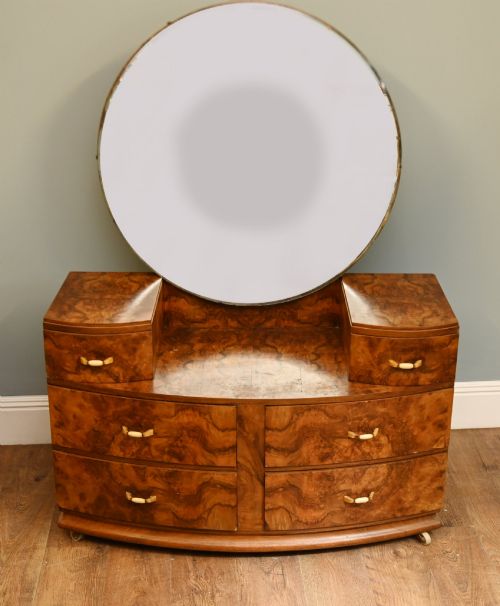
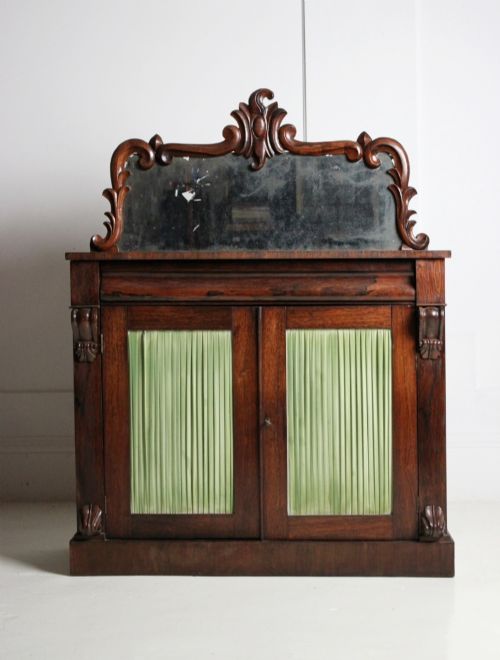
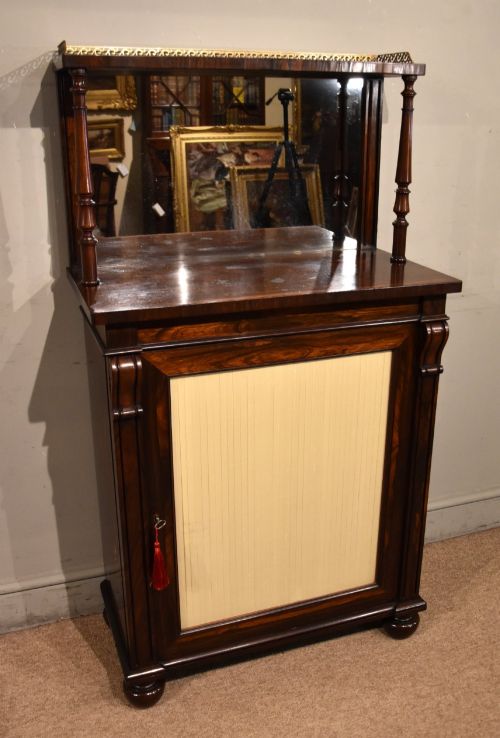
You are most likely to meet dressing tables, chiffoniers, and console tables with integrated mirrors on this page, reflecting the historical domestic need for grooming and display furniture. Materials such as rosewood, mahogany, and burr walnut frequently frame the glass across these forms.
The objects unite practical utility with stylistic movements such as Art Deco, Aesthetic Movement, and French Empire. Each piece demonstrates how period cabinetmakers incorporated mirrors into larger items of furniture.
How they were made
Makers utilised timber veneers such as rosewood, mahogany, burr walnut, and birdseye maple applied to solid secondary woods, creating figured surfaces that framed the mirror glass. Cabinetmakers employed precise joinery to construct dressing tables, chiffoniers, and console tables.
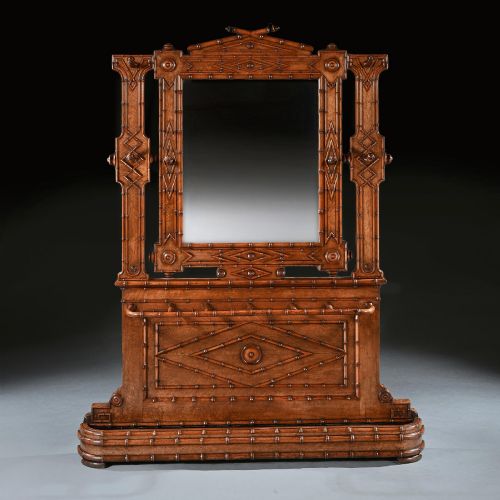
Glass plates were set into wooden frames or secured with gilt slips, while decorative elements like faux bamboo, carving, and parcel-gilding enhanced the visual weight of the furniture.
Period Furniture Mirror Retail Price Guide 2026
Typical asking prices for period furniture mirror among the pieces listed under this phrase on Sellingantiques today, from the lower quarter to the upper quarter. They describe what is for sale here now, not the wider market.
Listings feature items from the Georgian, Regency, and Edwardian periods, constructed in rosewood, mahogany, and burr walnut.
What varies in quality
The sophistication of the timber figure and the crispness of carved or applied ornament dictate the upper tier of these pieces. Grain selection in rosewood, mahogany, or burr walnut shows the maker's intent.
Proportion and the integration of the mirror component with the base furniture define the success of the design. Subtle details in moulding and assembly separate standard domestic items from finer productions.
Gillows
The Period Furniture Mirror Glossary
- Chiffonier
- A low sideboard or cabinet, frequently fitted with a shelf or mirror superstructure. This form evolved during the nineteenth century to provide storage and display in domestic reception rooms.
- Regency
- A style period spanning the early nineteenth century, characterised by classical revival motifs and dark timbers such as rosewood. Pieces from this era often incorporate brass inlay and restrained mounts.
- Gilt slip
- A narrow giltwood moulding placed between the inner edge of a frame and the mirror glass. It provides a bright transition that catches the light.
- Burr walnut
- Timber taken from a walnut tree growth, yielding complex, swirling grain patterns. Cabinetmakers prized this veneer for high-status cabinet fronts.
- Faux bamboo
- Wood turned and painted to imitate natural bamboo cane. This technique gained popularity during the nineteenth century under Asian design influences.
Period Furniture Mirror: Frequently Asked Questions
What is a period furniture mirror?
A period furniture mirror refers to antique furnishings that incorporate reflective glass into larger wooden forms, such as dressing tables, console tables, and chiffoniers.
These items combine practical household functions with the characteristic design styles of eras like the Regency and Georgian periods.
How do I identify a Regency period piece?
Regency items often feature dark timbers like rosewood, clean classical lines, and sometimes brass inlay or gilt details. Cabinetmakers of this time favoured restrained elegance.
Look for structural proportions and wood selection typical of the early nineteenth century to confirm the era.
Where were these pieces used in the home?
Dressing tables and wash stands found their place in bedrooms and dressing rooms, serving personal grooming needs. Chiffoniers and console tables stood in reception rooms for display and storage.
Mirrors mounted to these items helped bounce light around period interiors.
How should I care for antique wood and glass?
Keep wooden surfaces away from direct sunlight and rapid temperature shifts to protect veneers like mahogany and burr walnut from drying out. Clean mirror glass gently with appropriate solutions.
Maintain stable indoor humidity levels to preserve the original joinery and finish.