

Period English Oak Box
Every period english oak box carries the weight of centuries, fashioned from native timber to hold documents, linens, or valuables.
Period English Oak Box
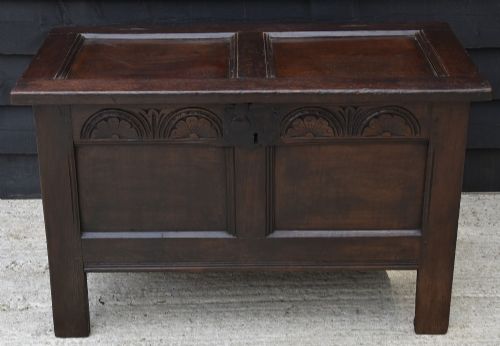
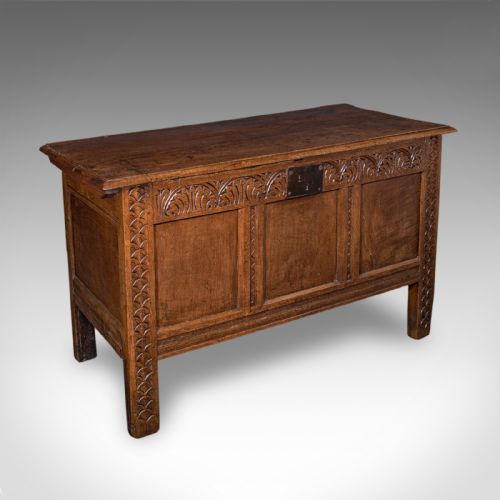
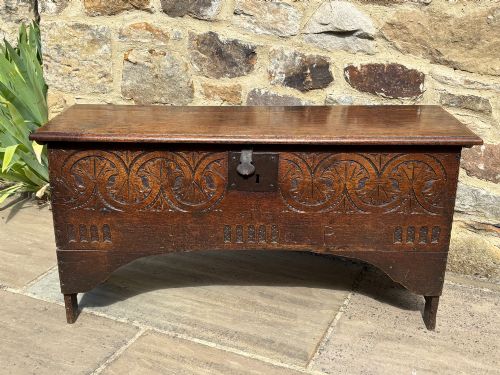
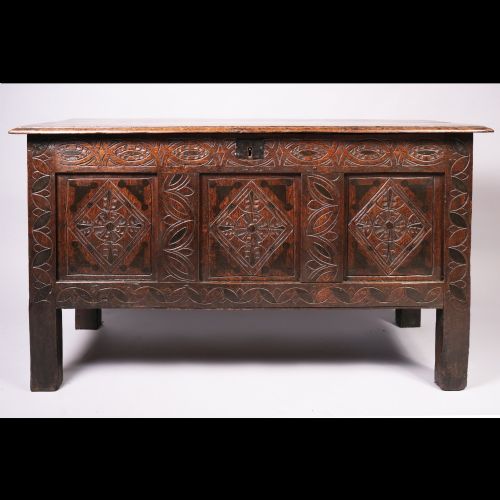
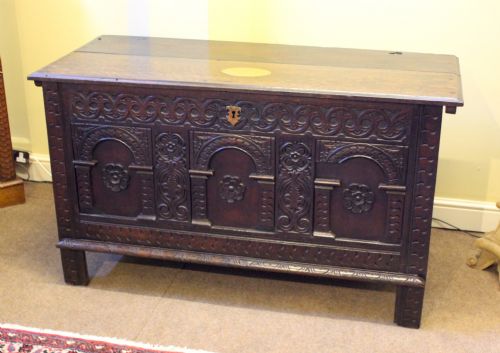
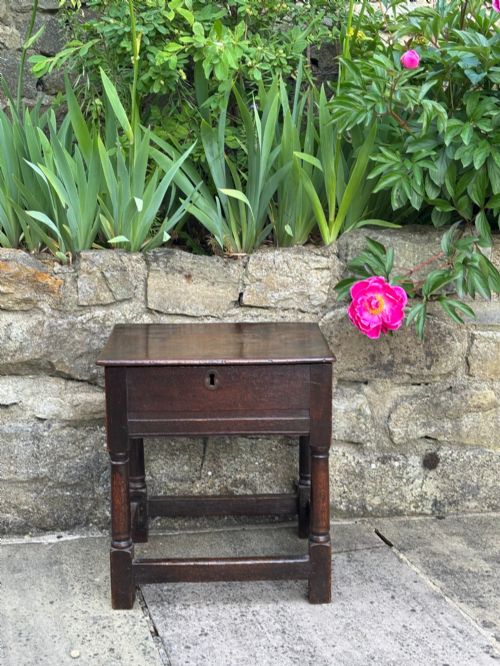
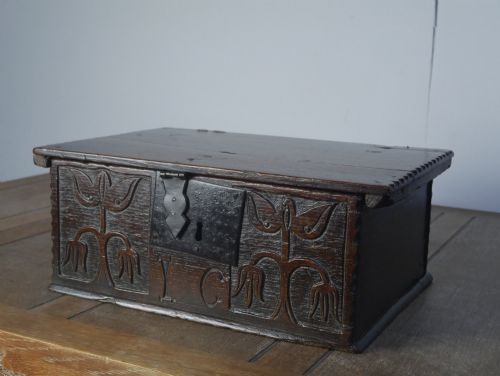
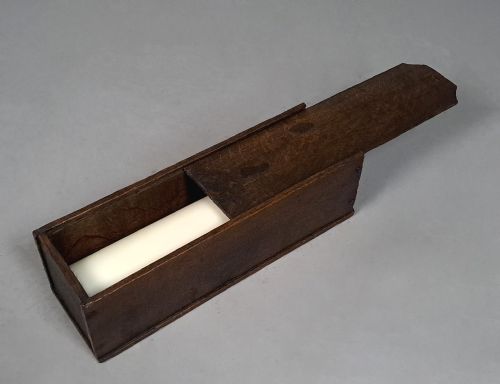
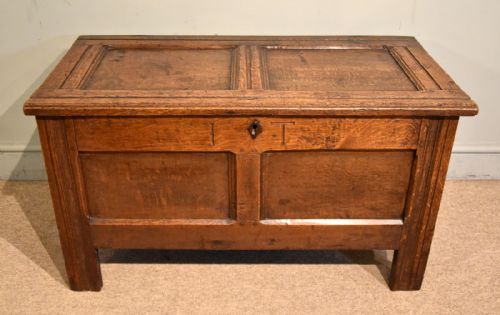
A period english oak box encompasses a variety of solid storage vessels, ranging from small table-top document and Bible boxes to hanging candle boxes and larger coffers. The selections span several centuries, with pieces originating from the Tudor, Elizabethan, Stuart, and Georgian eras.
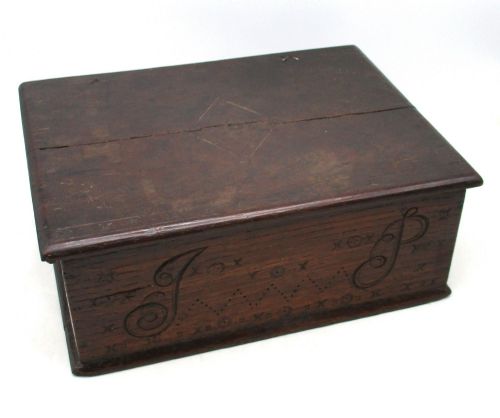
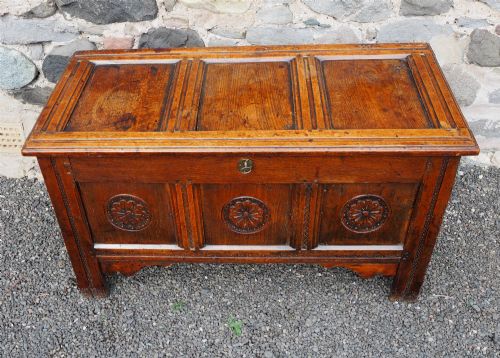
Smaller formats are designed for desks or walls, while larger examples function as heavy storage chests, marriage chests, and coffers. Regional variations, such as Dorset coffers, appear alongside domestic items fashioned for everyday storage in early English homes.
Materials and Construction
Makers relied on native timber, primarily using solid oak supplemented by secondary woods like fruitwood and walnut. Panels were joined using traditional frame-and-panel construction or heavy board methods to accommodate the seasonal movement of the timber.
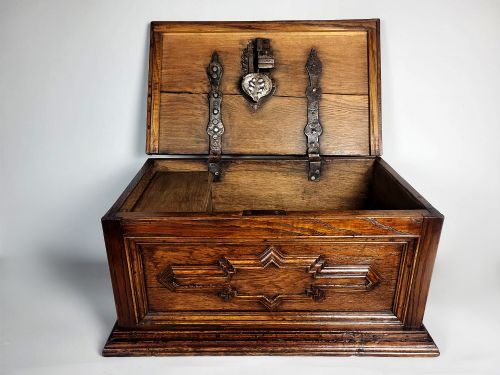
Metalwork played a crucial structural and security role, utilising iron, brass, steel, and wrought iron for hinges, escutcheons, and complex locking mechanisms. Surface treatments occasionally involved ebonising the wood for contrast and status.
Assessing Quality
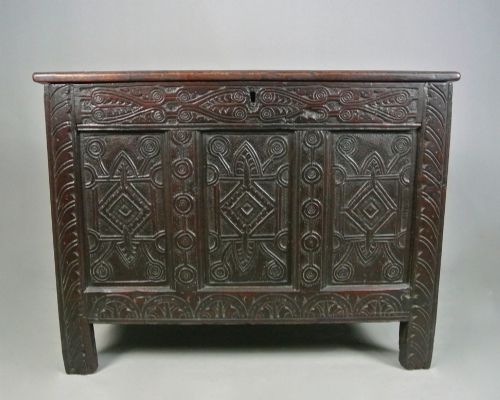
The standard of craftsmanship is judged by the crispness and depth of hand-carving, particularly on panelled fronts featuring arcading or foliate motifs. Proportion and scale also dictate quality, as smaller or more robustly surviving examples hold greater desirability.
The integrity of the original hardware, such as complex steel locks and hinges, elevates a piece significantly. Retaining the original timber surfaces without excessive later intervention marks the upper tier of surviving examples.
The Period English Oak Box Glossary
- Coffer
- A heavy wooden chest traditionally used for storing valuables, linens, or documents. These sturdy forms often feature boarded or panelled construction.
- Bible Box
- A small desktop box historically built to hold a family Bible and important papers. Sloped lids frequently served as writing surfaces.
- Linenfold
- A style of wood carving that imitates folded linen, popular on panels during the Tudor and Elizabethan periods. This ornamentation adds texture to flat surfaces.
- Escutcheon
- A protective plate surrounding a keyhole, usually fashioned from brass or iron. They secured the surrounding wood from damage by the key.
- Dorset Coffer
- A regional chest type associated with the county of Dorset, identified by distinct decorative framing and carved details.
Period English Oak Box: Frequently Asked Questions
What were these boxes used for?
These vessels served secure domestic storage needs, holding legal documents, Bibles, valuables, and textiles.
Smaller boxes rested on tables or hung on walls, whereas larger coffers accommodated bulky household items and blankets.
How do I date an oak box?
Dating relies on construction methods, timber treatment, and decorative styles such as arcading, linenfold, or geometric panels.
Early pieces utilise pegged frame-and-panel joints and hand- cleft boards, while hardware styles provide further chronological clues.
Where should I place one at home?
Smaller document and Bible boxes sit well on desks, side tables, or deep windowsills as display pieces.
Larger coffers function effectively as blanket chests at the foot of a bed or as seating in hallways.
Are original locks common?
Original iron or steel locks and hinges survive on select examples, though many have been replaced over the centuries.
Complex mechanisms with original keys add considerable interest for collectors of early woodwork.