

Period English Chairs
Period english chairs bring centuries of cabinet-making history into a room, offering enduring seating forms shaped from oak, mahogany, and walnut.
Period English Chairs
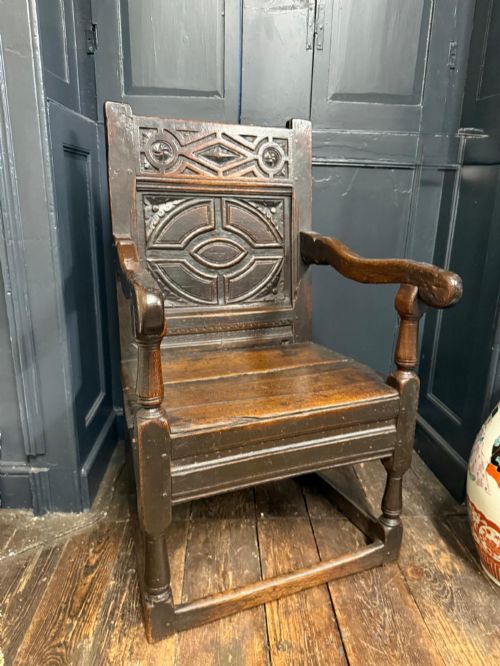
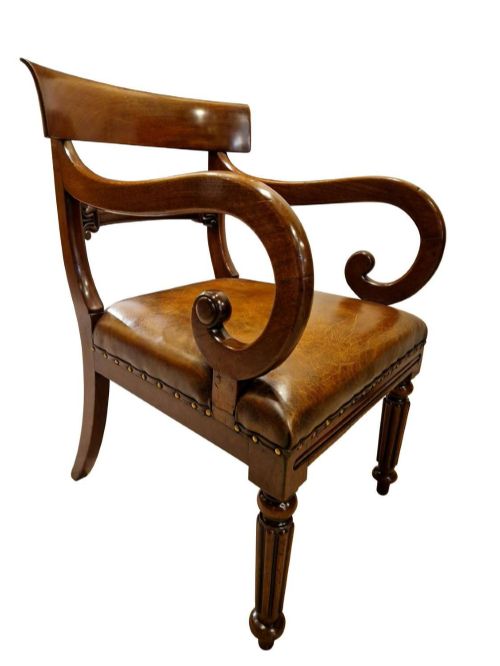
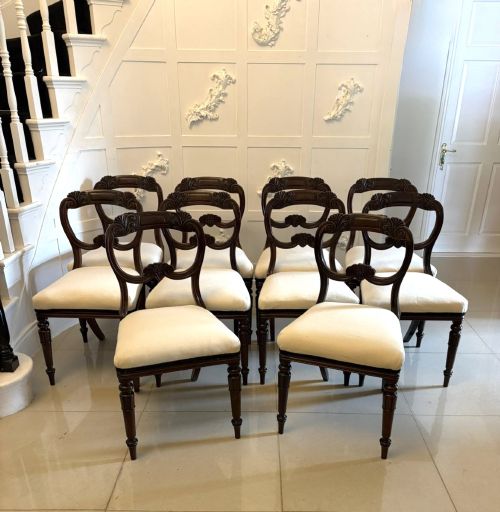
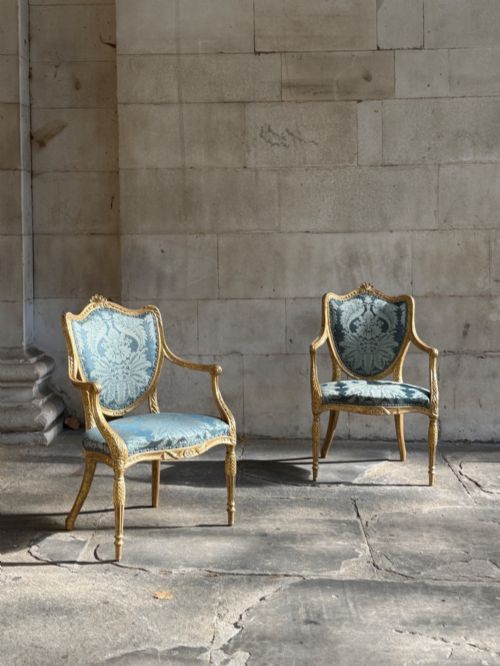
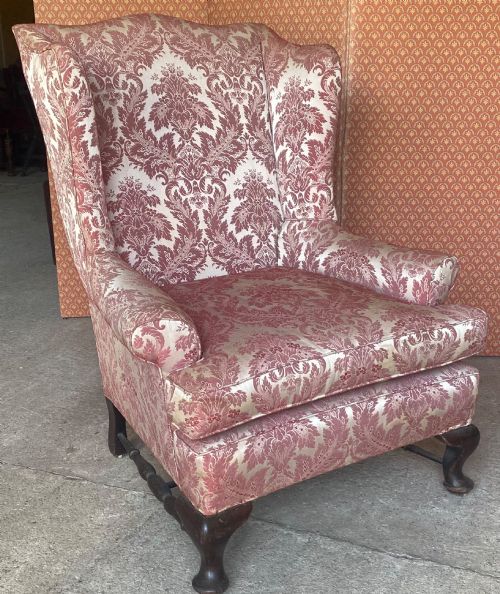
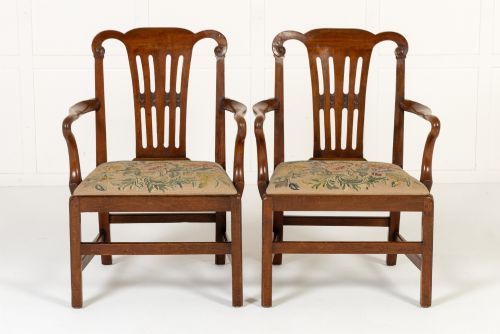
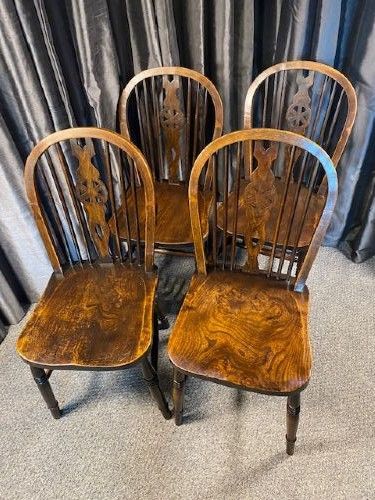
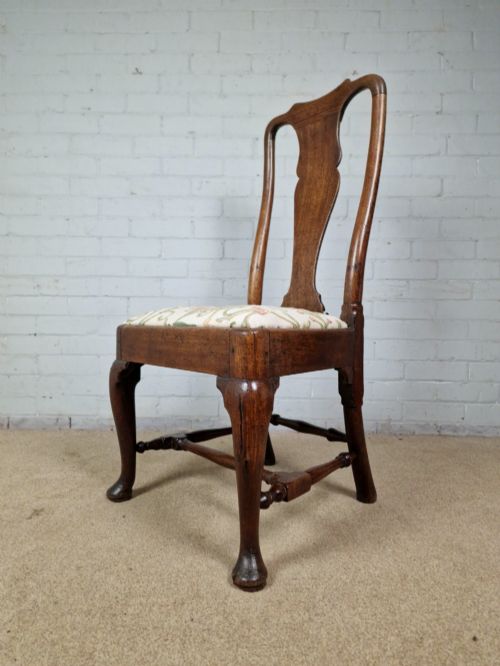
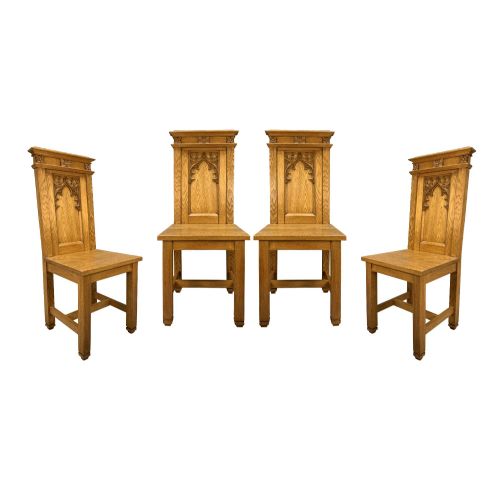
These period english chairs encompass diverse domestic seating forms, ranging from sturdy seventeenth-century wainscot armchairs and oak backstools to refined eighteenth-century mahogany dining sets and library armchairs. Buyers navigating this selection encounter various domestic seating categories, including armchairs, side chairs, hall chairs, and formal dining chairs spanning multiple centuries.
The most prevalent examples on this page derive from the Georgian, Regency, and seventeenth-century periods, reflecting the shifting domestic fashions of English households. Forms transition from heavy, joined oak construction in the early periods to lighter, carved mahogany and rosewood designs during the height of the Regency and Victorian eras.
How they were made
Cabinet-makers and joiners utilised native and imported timbers, primarily constructing early frames in solid oak, ash, and elm before transitioning to richly grained mahogany, walnut, and rosewood in later centuries. Timber selection dictated the structural capabilities of the frame, allowing for robust mortise and tenon joints in rustic seating and intricate, carved details in formal dining sets.
Upholstery techniques evolved alongside frame designs, incorporating traditional stuff-over methods with horsehair and textiles, alongside cane seating inserts. Brass hardware, such as castors and decorative tacks, often complemented the timber frames, while ebonising and gilding provided contrasting surface finishes on select Regency pieces.
Period English Chairs Retail Price Guide 2026
Typical asking prices for period english chairs among the pieces listed under this phrase on Sellingantiques today, from the lower quarter to the upper quarter. They describe what is for sale here now, not the wider market.
Forms range from seventeenth-century wainscot armchairs to nineteenth-century rosewood library seating.
What varies in quality
Quality rests in the integrity of the timber framing, the precision of the joinery, and the depth of the hand-carved details executed by the original cabinet-maker. Superior examples retain their structural stability and original surface patination, whereas lesser pieces suffer from excessive timber replacement or compromised frames.
The proportion and balance of the design further distinguish finer seating, especially in matching dining sets where uniformity across multiple chairs determines the overall merit. Original upholstery foundations and untouched surface finishes elevate the standing of a piece among collectors.
Gillows
The Period English Chairs Glossary
- Wainscot armchair
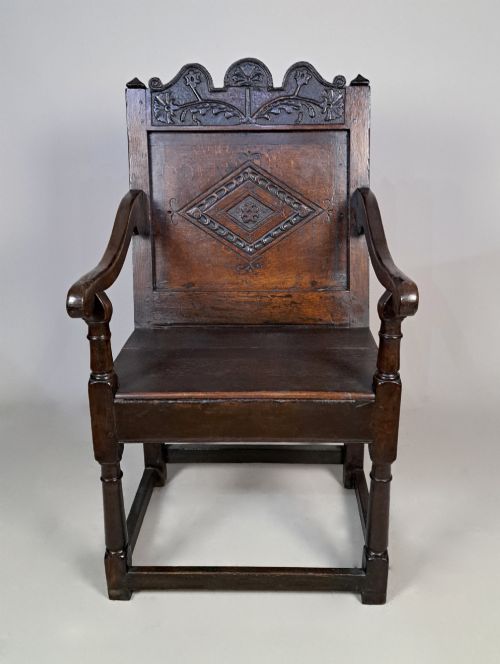
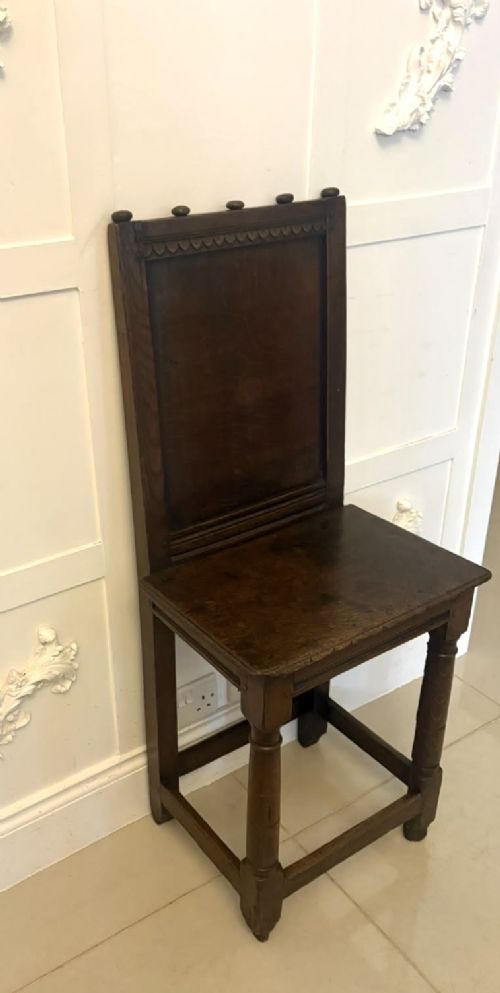
- A heavy wooden armchair constructed primarily of oak using frame and panel techniques, typical of the seventeenth century. These sturdy seats represent early domestic comfort before plush upholstery became widespread.
- Backstool
- An early term for a chair without arms, essentially a single chair designed for domestic use. Seventeenth-century examples frequently feature tall, narrow oak backs.
- Chippendale
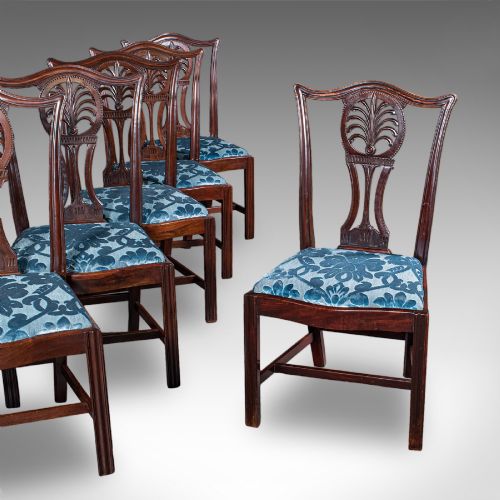
- A style of eighteenth-century English furniture associated with the designs of Thomas Chippendale. Pieces in this manner often display carved mahogany frames with interlaced ribbon backs or claw and ball feet.
- Bergère
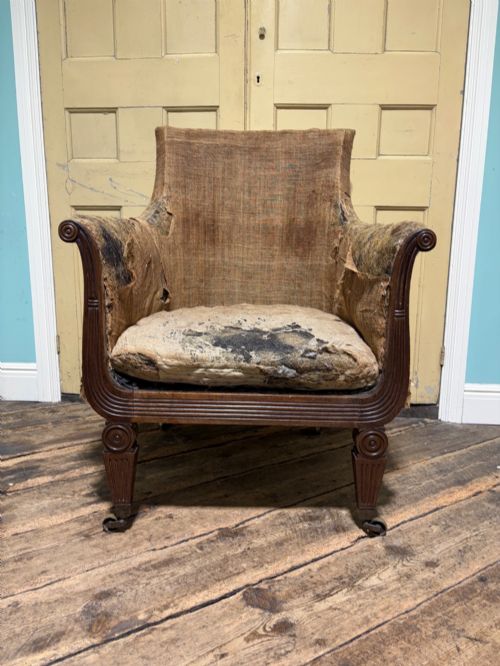
- An enclosed upholstered armchair with wooden sides, popular during the Regency period. These seats typically incorporate cane work or fully padded frames.
- Tub chair
- A curved armchair where the back and arms form a continuous semi-circular rail. They appear frequently in nineteenth-century libraries and drawing rooms.
Period English Chairs: Frequently Asked Questions
How do I date a wainscot armchair?
Seventeenth-century wainscot armchairs display joined oak construction, pegged joints, and carved panel backs. Their timber patination and tool marks reveal the early hand-working methods of English joiners.
Later revival pieces often lack the authentic wear patterns and construction quirks found in seventeenth-century originals. Examining the underside and joint construction clarifies the actual age of the timber frame.
What defines a Regency dining chair?
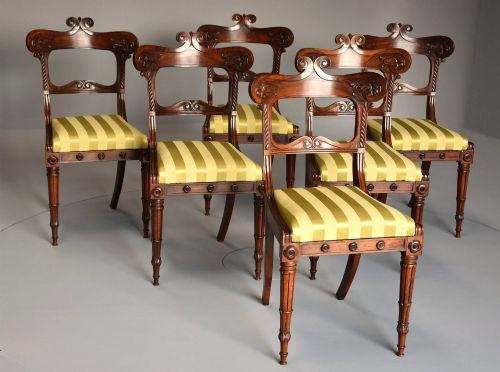
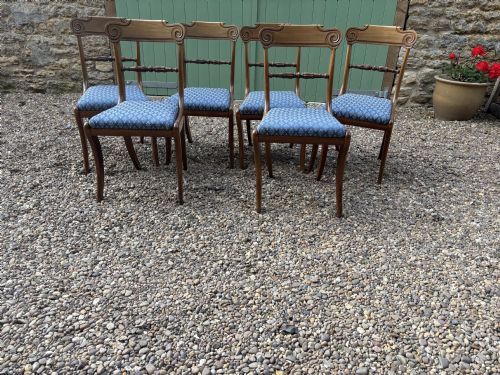
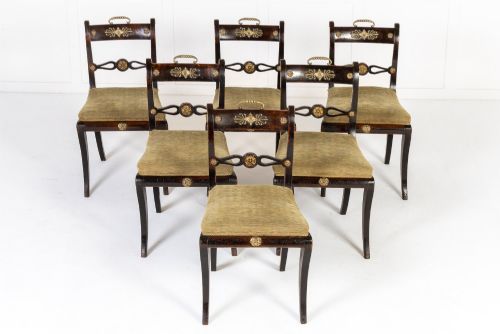
Regency dining chairs typically feature saber legs, carved mahogany or rosewood frames, and classical decorative motifs inspired by ancient Rome and Greece. Ebonised finishes and brass inlay frequently appear on formal examples.
Matching sets from this era command particular attention from collectors seeking cohesive dining arrangements. The transition from heavy Georgian proportions to lighter Regency elegance defines this nineteenth-century aesthetic.
How were rush and cane seats made?
Cane seating involves weaving split rattan through holes drilled around the seat frame, creating a resilient and light support surface. This technique gained popularity in seventeenth and eighteenth-century English chairs.
Rush seating utilised twisted marsh grasses wound tightly around the seat rails in a traditional pattern. Both methods provided practical, lightweight alternatives to solid wood or upholstered pads.
Can I use antique dining chairs daily?
Solid mahogany and oak period dining chairs remain structurally capable of daily use provided their joints are sound and stable. Regular checks of the underframe prevent minor looseness from developing into major structural damage.
Careful placement away from direct heat sources protects the historic timber and glue joints from drying out. Historic upholstery requires gentle handling compared to modern commercial seating.