
Period Dresser
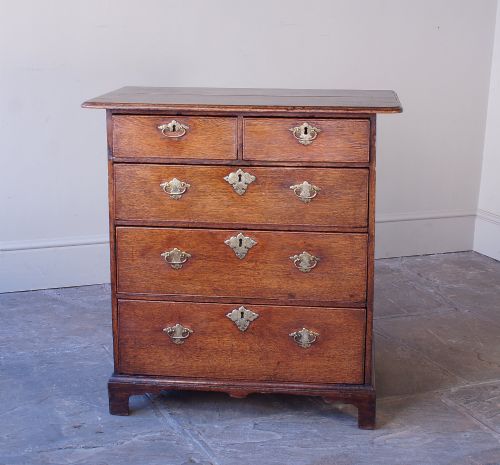
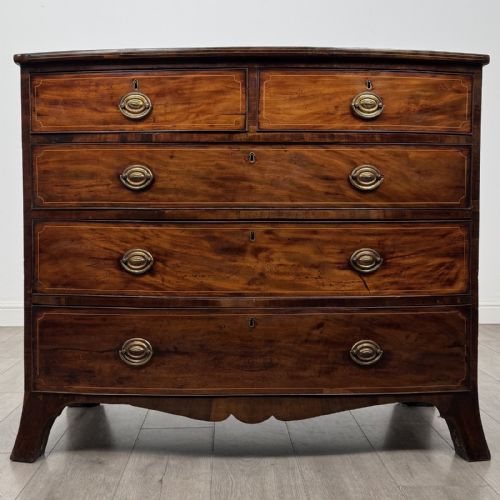
When you search for a period dresser, you seek robust timber furniture spanning seventeenth-century oak through Georgian and Regency mahogany iterations.
Period Dresser
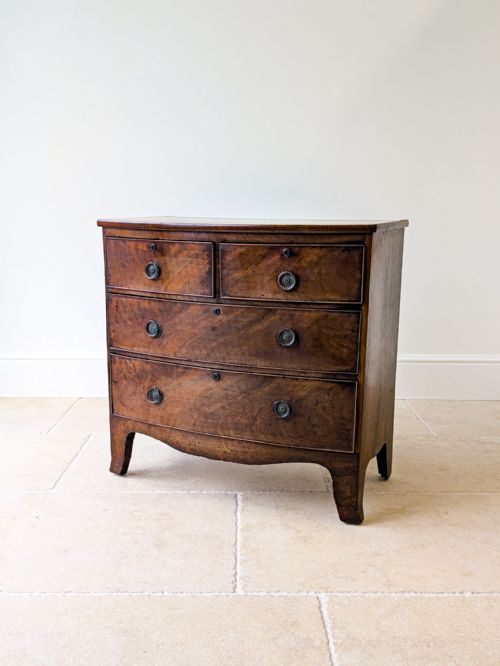
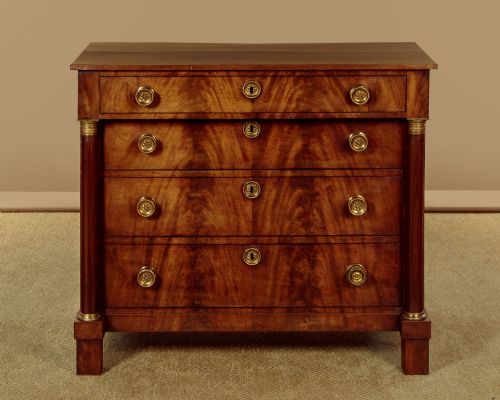
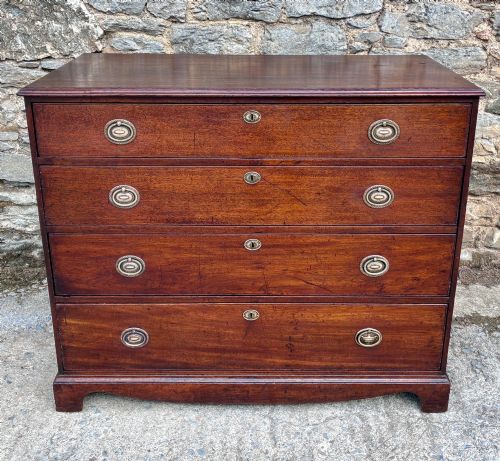
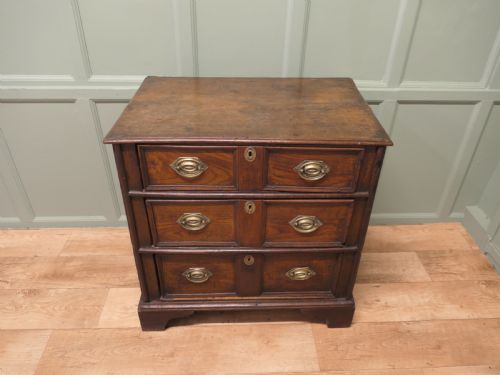
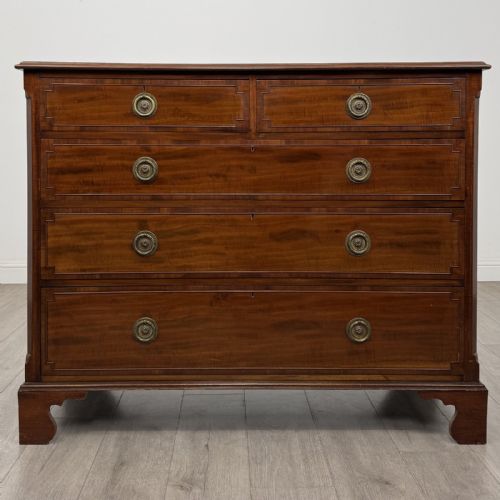
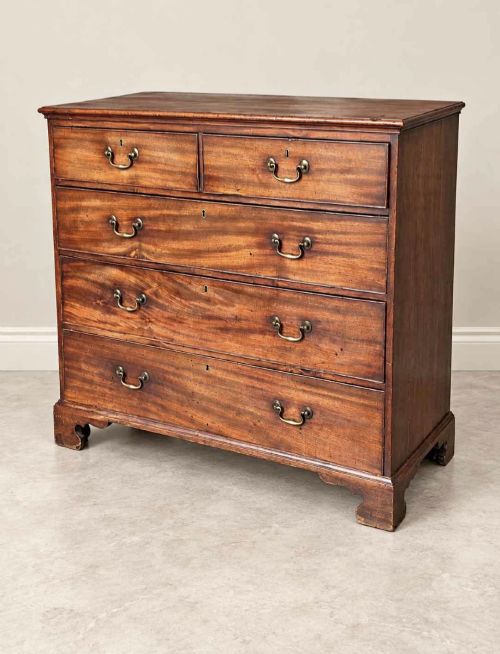
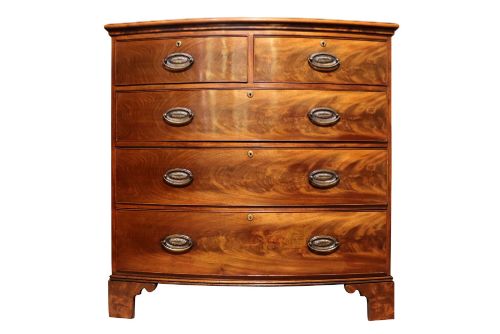
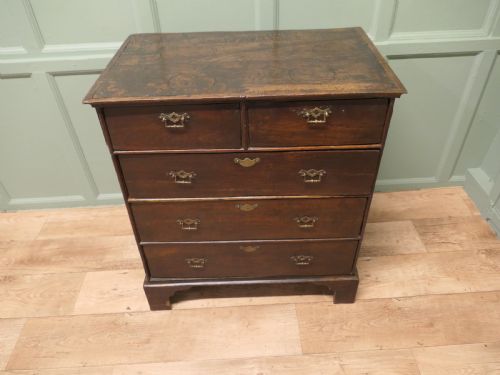
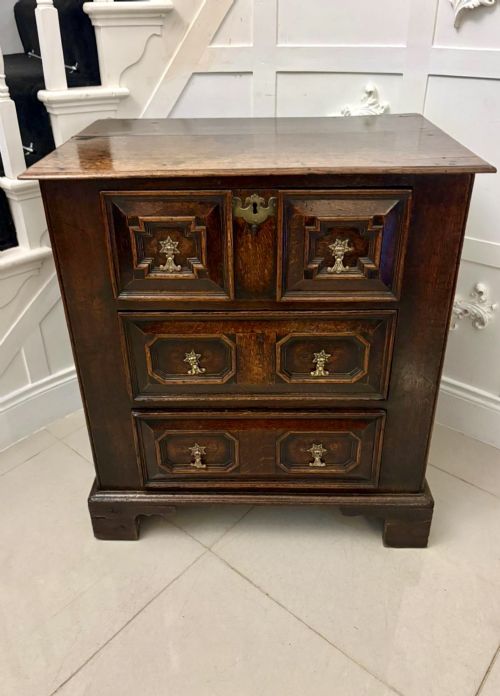
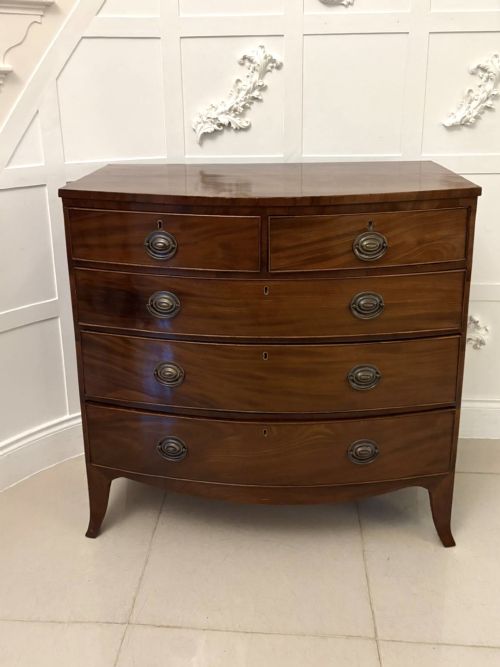
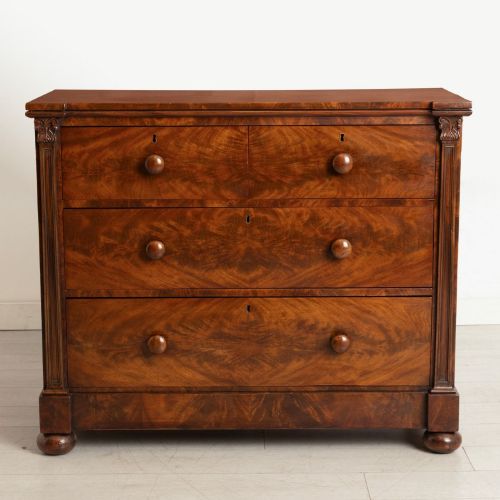
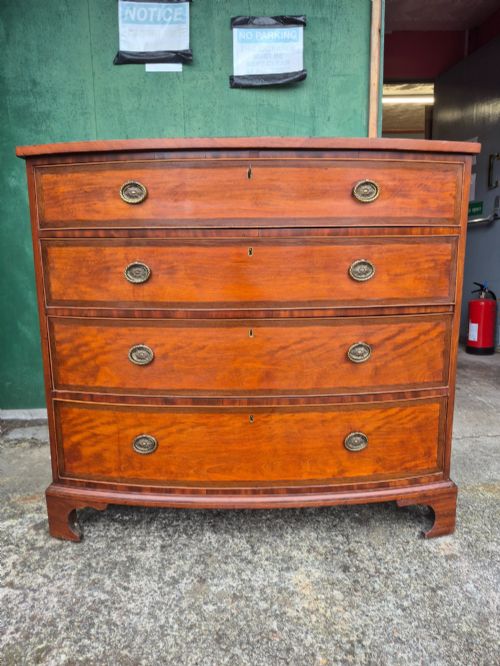
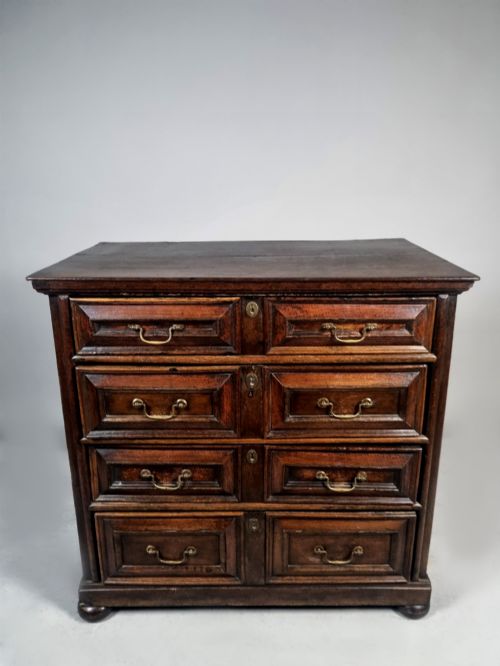
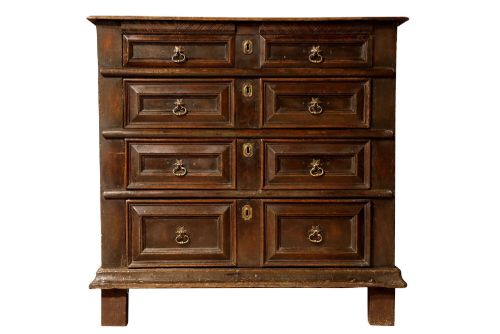
Most examples you encounter on this page span the Georgian, Regency, and seventeenth-century periods. These range from heavy oak geometries and country elm to refined mahogany and satinwood bow fronts.
How they were made
Cabinet makers utilised native and imported timbers, pairing structural oak and pine with decorative mahogany, walnut, and satinwood veneers. Surfaces often incorporated oyster veneers or geometric mouldings built directly onto the carcase.
Hardware played an integral functional and decorative role, with brass handles and escutcheons secured to drawer fronts alongside iron elements. Joinery relied on traditional methods appropriate to each era, from early boarded and panelled construction to fine dovetailing.
Some seventeenth-century chests wear their geometric mouldings like heavy wooden knitwear.
What varies in quality
The degree of refinement in timber selection separates standard items from superior works, particularly when observing figured mahogany, burr walnut, or marquetry details. Grain alignment across drawer facades and the preservation of original brass hardware elevate an example significantly.
Construction integrity and proportion also dictate standing within the market. Finely proportioned small-scale proportions and intact period surfaces display the direct hand of skilled cabinet making.
J Moorcroft
The Period Dresser Glossary
- Bow front
- A convex curved cabinet front popular during the Regency and Georgian periods. This shape softens the profile of standard rectilinear chests.
- Dresser base
- The lower section of a kitchen or dining room storage unit featuring drawers and cupboards. These pieces provided vital workspace and storage in historical homes.
- Oyster veneer
- Slices of branch wood laid in intricate patterns resembling oyster shells. This technique flourished during the seventeenth century under William and Mary.
- Chest on stand
- A tall drawer section elevated on a separate framework with legs. This form originated in the late seventeenth and early eighteenth centuries.
- Geometric design
- Raised mouldings arranged in octagonal or rectilinear patterns on drawer fronts. Carpenters used this ornamentation during the seventeenth century.
Period Dresser: Frequently Asked Questions
What is a period dresser?
A period dresser or related storage piece is a historical item of wooden furniture intended for domestic utility. These objects span centuries of changing design and domestic interior needs.
They serve as functional storage chests or display surfaces, reflecting the predominant woodworking techniques of their respective eras.
How do I identify a Georgian chest of drawers?
Georgian examples typically display clean rectilinear or bow front profiles executed in mahogany, oak, or walnut. Drawer arrangements often follow standard two-over-three configurations.
Hardware and construction methods match eighteenth-century joinery standards, often featuring hand-cut dovetails and original brasses.
Where were these pieces used?
Historical chests and dressers stood primarily in bedrooms, parlours, or dining spaces to hold linens, clothing, and tableware. Their placement depended on the specific room layout of the period.
Kitchens and sculleries housed utilitarian dresser bases for food preparation and crockery storage.
How should I care for antique oak furniture?
Maintain stable indoor humidity levels and keep wooden surfaces away from direct heat sources to prevent timber splitting. Gentle dusting with a dry cloth preserves the finish.
Avoid modern liquid polishes that can build up on historical wax or oil surfaces over time.