

Period Display Stand
A period display stand provides a dedicated platform to elevate and organise treasured objects, bringing distinct architectural form into a room.
Period Display Stand
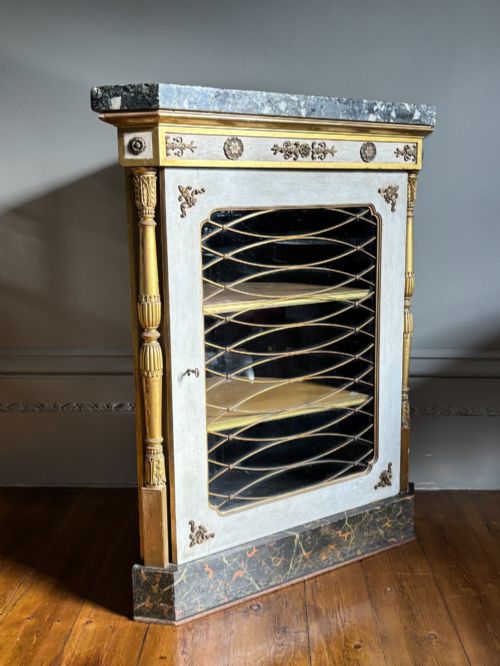
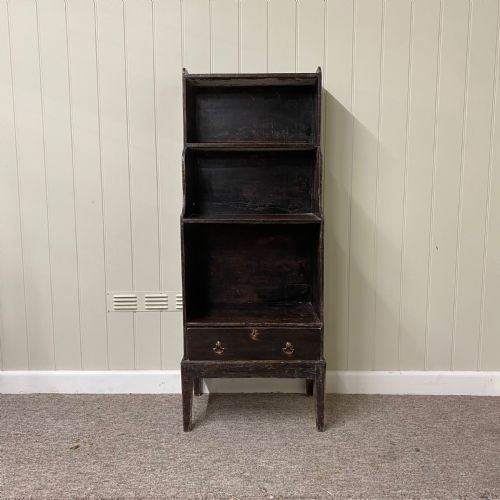
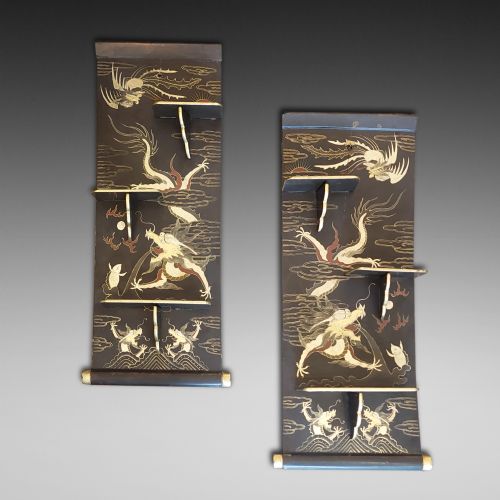
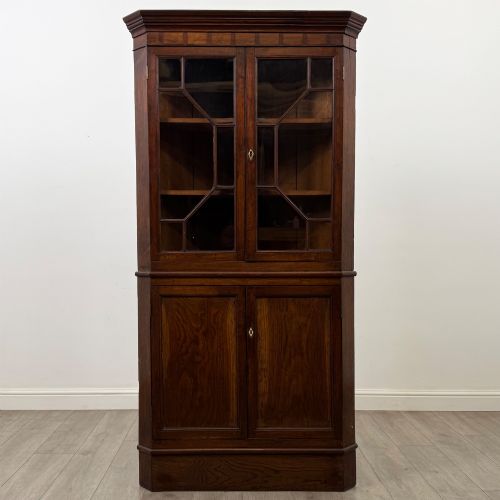
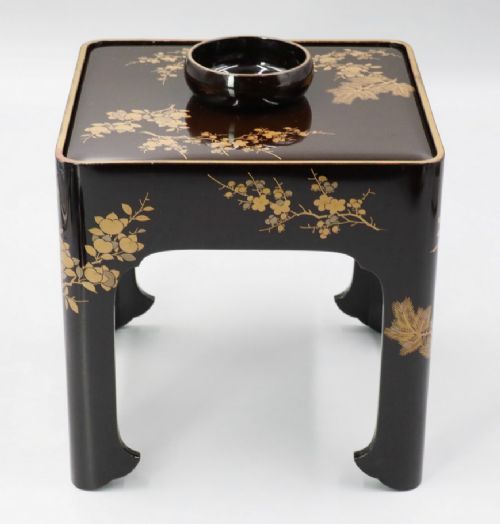
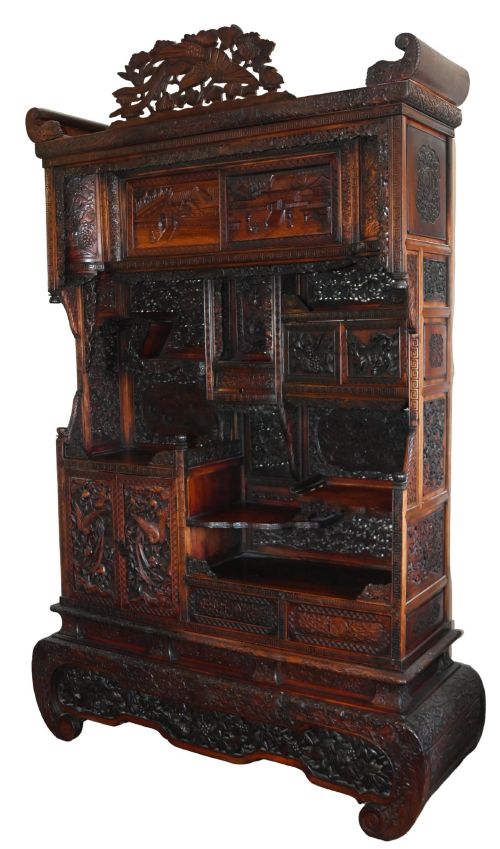
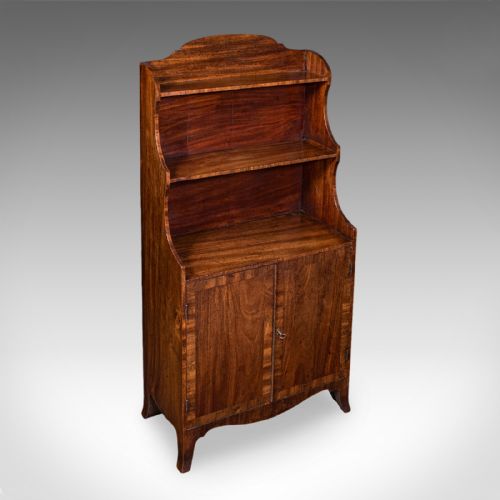
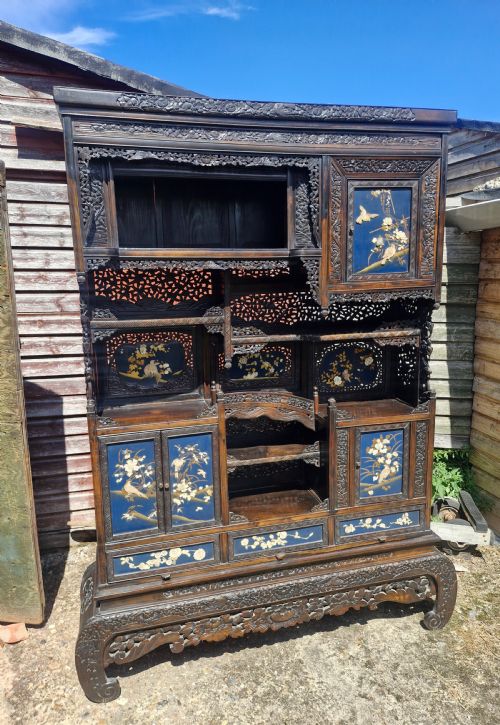
A period display stand encompasses multi-tiered what-nots, etageres, and floor-standing cabinets designed to showcase ceramics, books, and decorative items. These items emerge from the Georgian, Regency, and Victorian eras, alongside Japanese Meiji and Edo period imports.
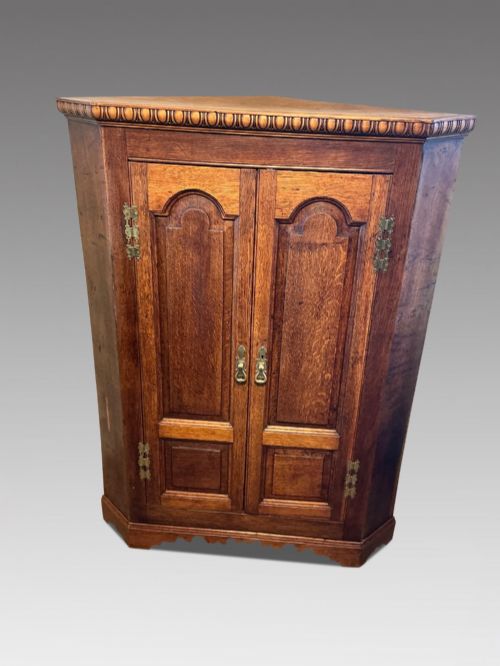
Buyers frequently encounter tiered wooden stands in mahogany, rosewood, and oak, as well as specialised cabinets originating from both English workshops and Japanese artisan traditions. Forms range from compact music and corner stands to tall bookcases and multi-shelf display units.
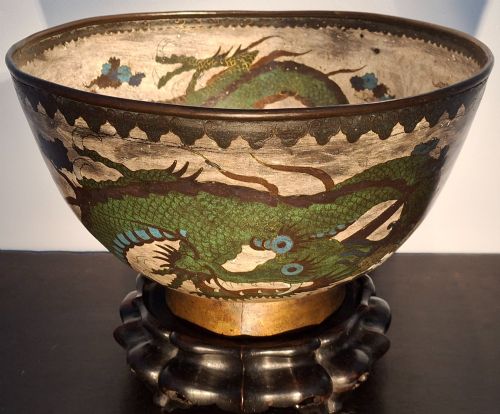
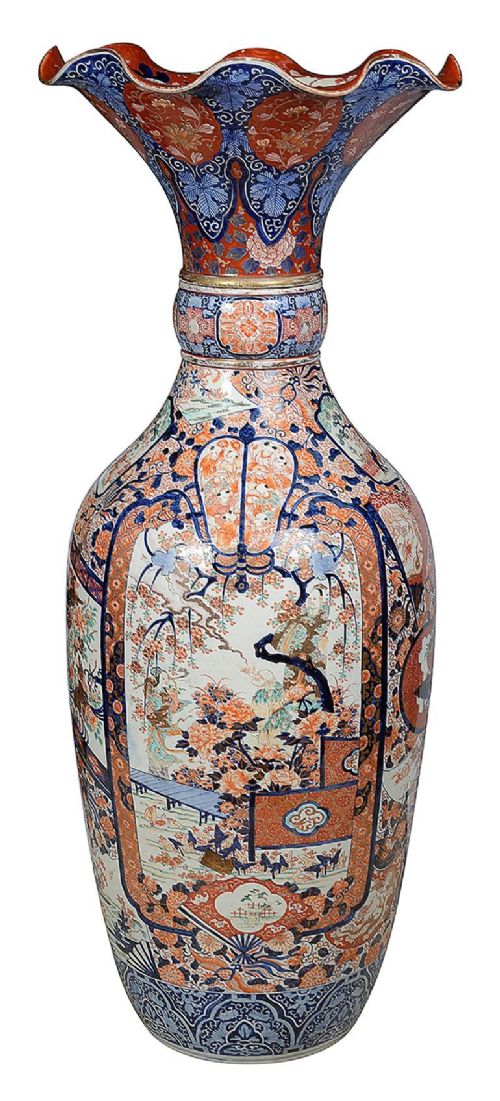
The inventory on this page bridges domestic English furniture and East Asian decorative arts, spanning from the eighteenth century into the early twentieth century. Each form reflects the specific domestic requirements of its original era, from the formal display of porcelain to the housing of folio volumes and music.
How they were made
Construction relies heavily on traditional cabinet timbers, notably dense mahogany, figured rosewood, and durable oak, paired occasionally with exotic hardwoods and lacquered surfaces. Joinery is executed by hand, using precise dovetails and pegged joints to support multiple tiers and heavy contents.
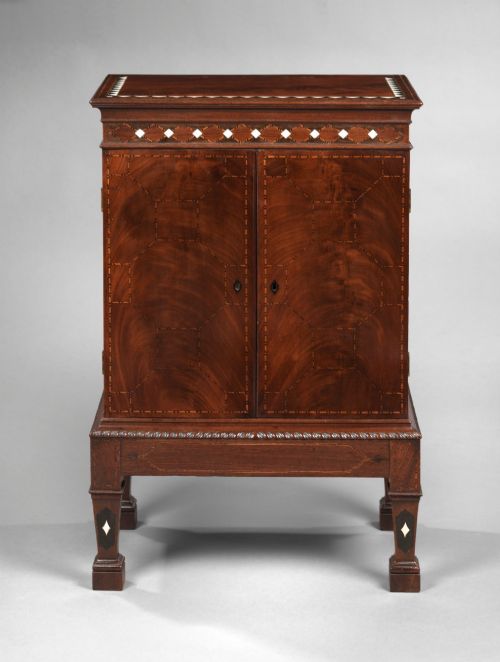
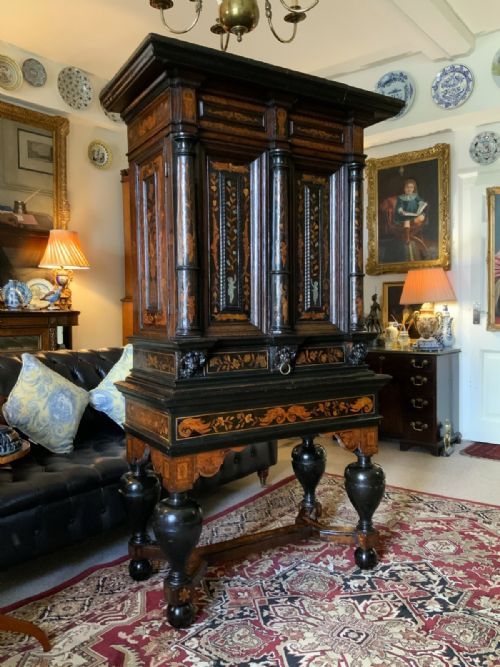
Surface finishes involve careful polishing, ebonising, and marquetry inlay, alongside intricate hand-carving found on Japanese hardwood and lacquer pieces. Materials such as marble tops and brass mounts are integrated to add structural weight and visual contrast to the timber frames.
Period Display Stand Retail Price Guide 2026
Typical asking prices for period display stand among the pieces listed under this phrase on Sellingantiques today, from the lower quarter to the upper quarter. They describe what is for sale here now, not the wider market.
Periods represented span from the 18th century through the Regency and Victorian eras to the early 20th century.
What varies in quality
Quality reveals itself in the choice of timber and the precision of the construction, where finely figured grain and robust structural joinery distinguish superior examples from standard utility items. The integration of secondary elements, such as matched grain patterns across tiers and delicate turned columns, separates ambitious cabinet-making from basic carpentry.
The harmony of proportion and the crispness of applied carving or inlay determine the overall standing of a piece. Finer examples retain their original surface patination and structural integrity without intrusive modern alterations.
Gillows
The Period Display Stand Glossary
- Etagere
- A French term for a display stand with several open shelves placed one above the other. These fixtures serve to exhibit small decorative objects and porcelain.
- Shodana
- A traditional Japanese cabinet or shelving unit featuring staggered shelves and compartments. They were produced during the Meiji period for the display of art objects.
- Canterbury
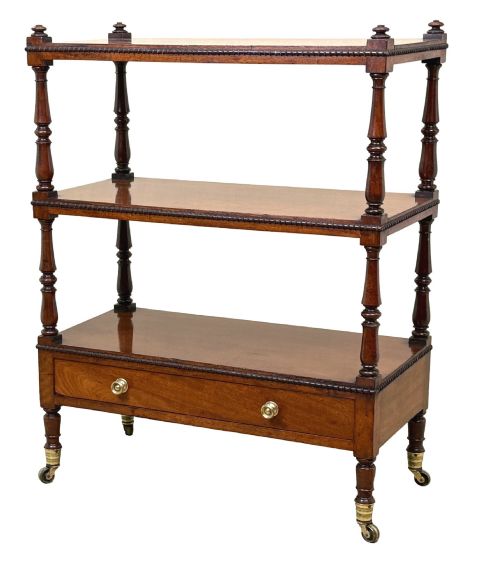
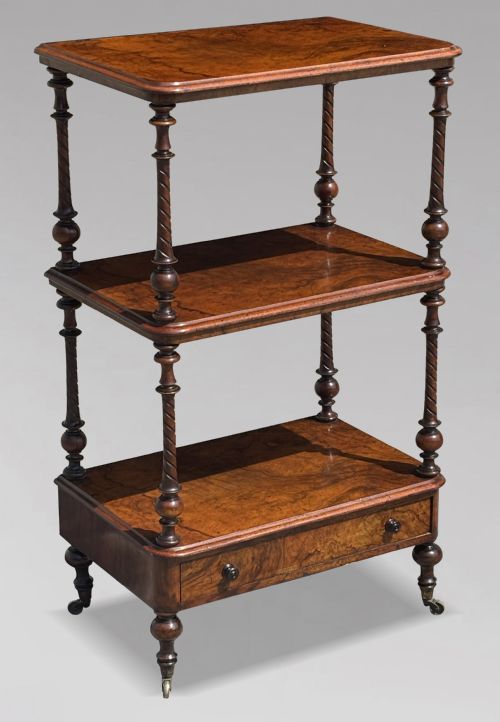
- A low, open-partitioned stand originally designed for holding sheet music or folios. Many examples incorporate a small drawer or lower shelf matching the style of a companion what-not.
- Marquetry
- The art of forming decorative patterns on woodwork by applying thin veneers of different materials. This technique appeared frequently on fine European cabinets and stands.
Period Display Stand: Frequently Asked Questions
What is a period display stand used for?
These stands serve to elevate and display decorative objects, porcelain collections, and books within domestic interiors. Their multi-tiered design allows for vertical arrangement without dominating floor space.
Historically, they occupied prominent corners and walls in drawing rooms and parlours to showcase items acquired through travel or domestic patronage.
How do I identify a Regency what-not?
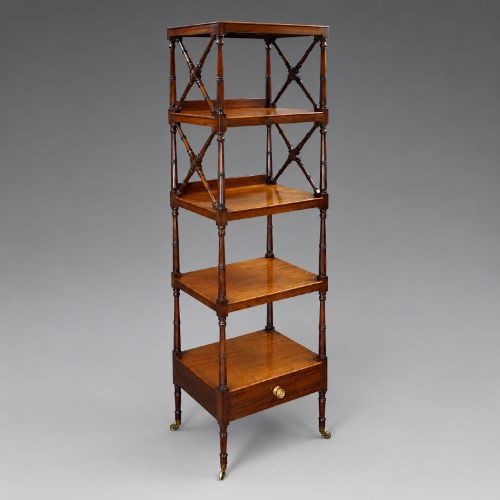
Regency what-nots typically feature slender turned supports dividing three or four graduated open shelves. They frequently incorporate a small drawer at the base and rest upon castors.
Timber choice during this era leans towards dark mahogany or figured rosewood, often displaying restrained classical turning rather than heavy carving.
What is the difference between an etagere and a cabinet?
An etagere consists entirely of open shelves designed purely for display and visibility from multiple angles. Cabinets incorporate enclosed spaces with doors, panels, or glazed fronts to protect contents from dust.
Both forms were utilised in period homes, sometimes paired together within the same interior scheme to balance open and closed storage.
Where should I place a corner cabinet?
Corner cabinets fit directly into room angles to utilise unoccupied floor space while providing sturdy shelving. They anchor empty corners and offer a focal point for displaying ceramics or glassware.
Both standing and wall-hung versions appear in eighteenth and nineteenth-century interiors, designed to follow the architectural lines of the room.