

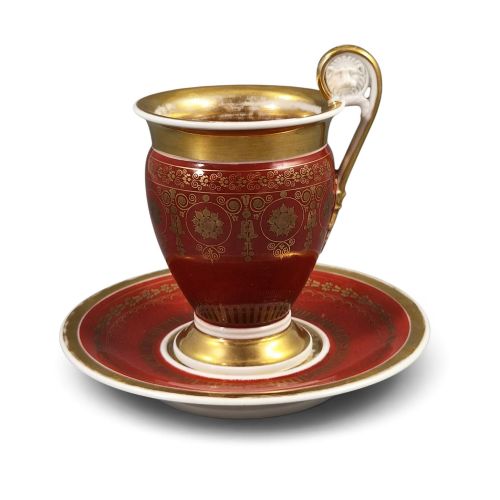
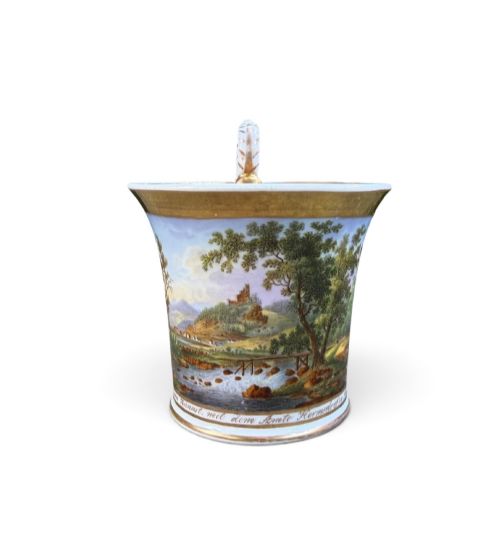
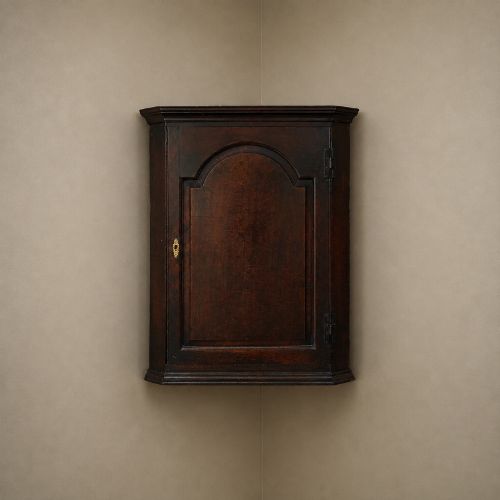
Period Display Cabinet
A period display cabinet holds treasured objects safely behind glass, bringing history and elegance directly into a room.
Period Display Cabinet
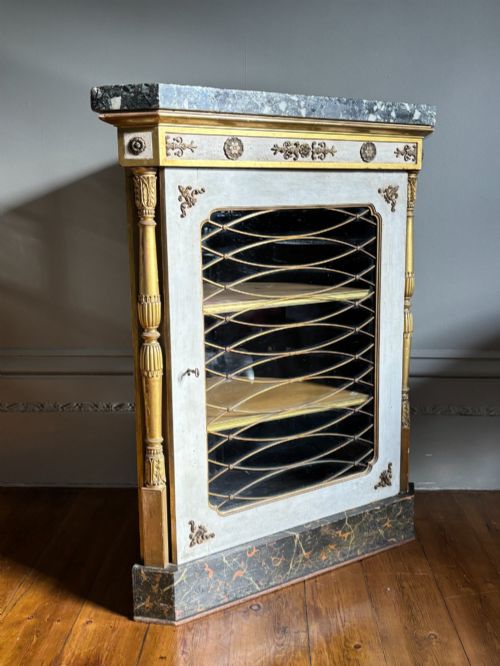
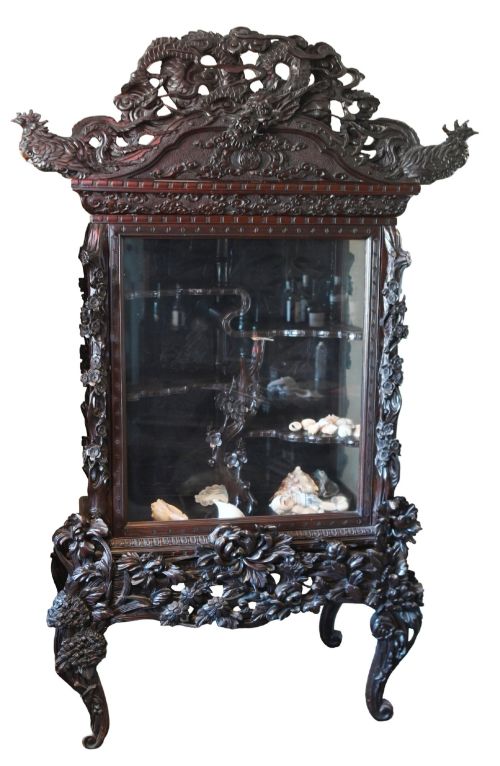
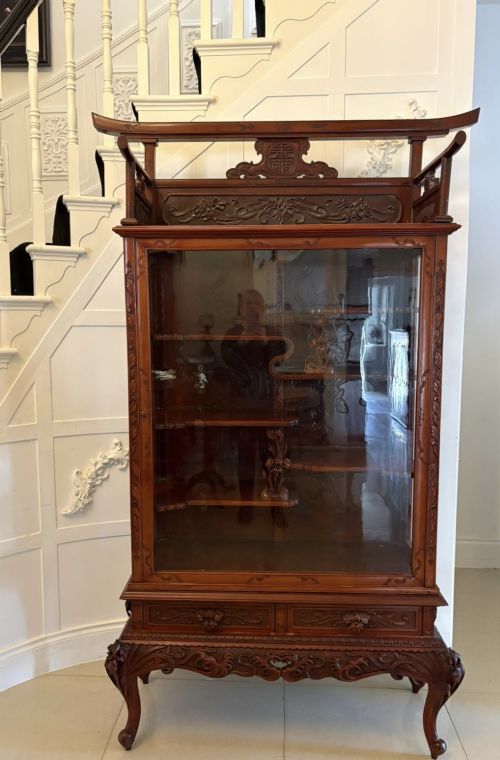
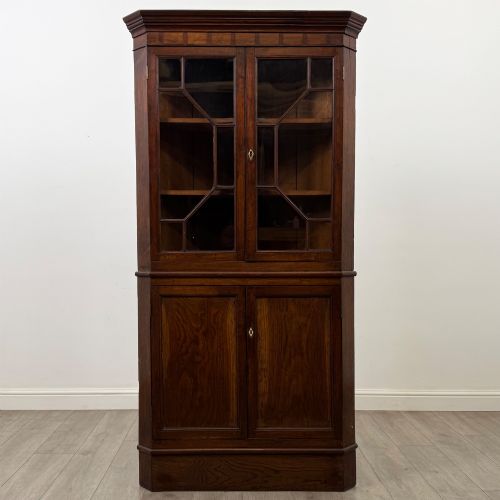
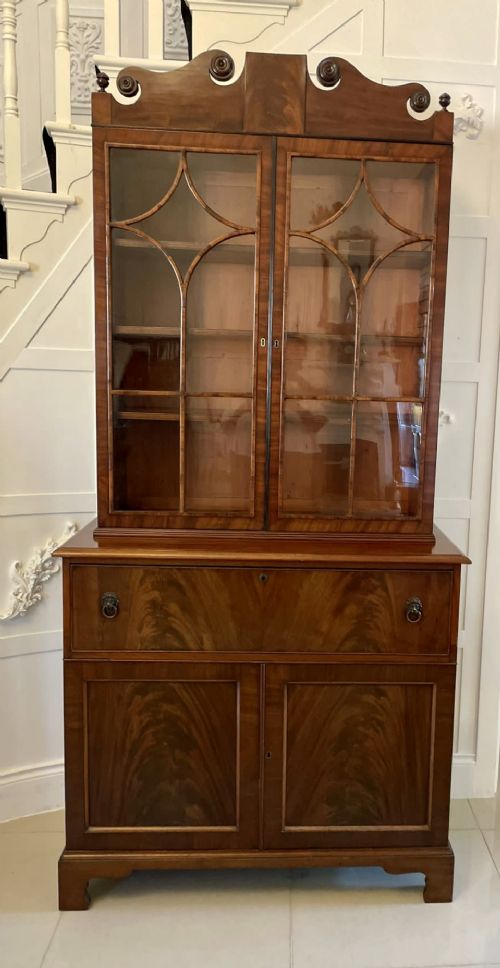
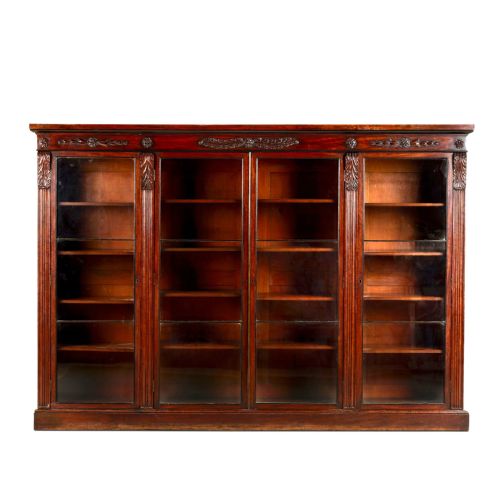
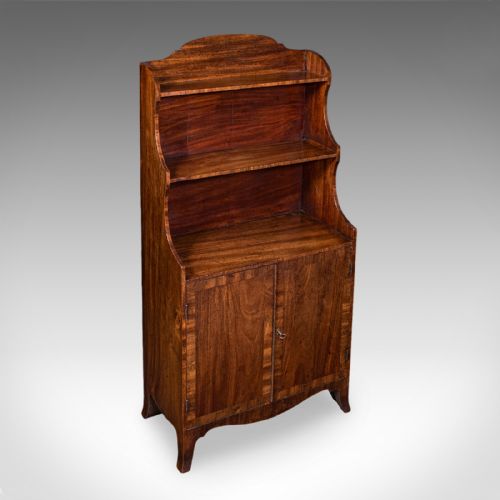
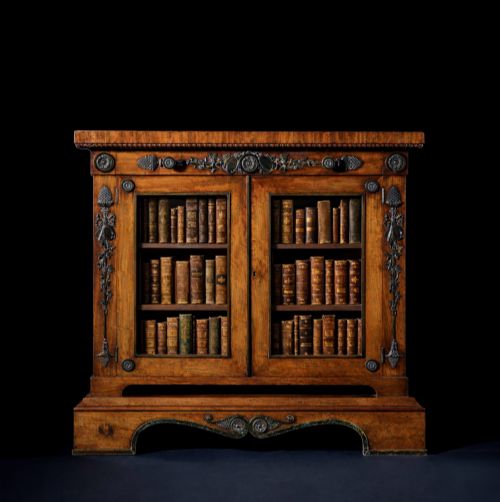
A period display cabinet serves to showcase ceramics, books, and ornaments while keeping them protected behind glazed doors. When you examine a period display cabinet, you encounter diverse forms ranging from tall bookcases to compact corner units.
The selections span centuries of design, with Georgian, Regency, and Victorian iterations appearing frequently alongside Japanese Meiji period examples. These pieces adapt easily to modern interiors by offering functional storage paired with historic character.
Corner cabinets and side cabinets make efficient use of smaller rooms, whereas floor-standing bookcases command presence in larger spaces. Each piece reflects the domestic habits and decorative tastes of its original era.
Materials and Construction
Cabinet makers relied heavily on timber selections like mahogany, oak, walnut, and satinwood to build sturdy frames that endured decades of daily use. Hardwood construction provided the structural stability required for heavy glass doors and shelving.
Glazing techniques allowed makers to create multi-pane windows that framed interior displays clearly without warping under tension. Brass mounts, bronze details, and occasional lacquer finishes added refinement to the primary woodwork.
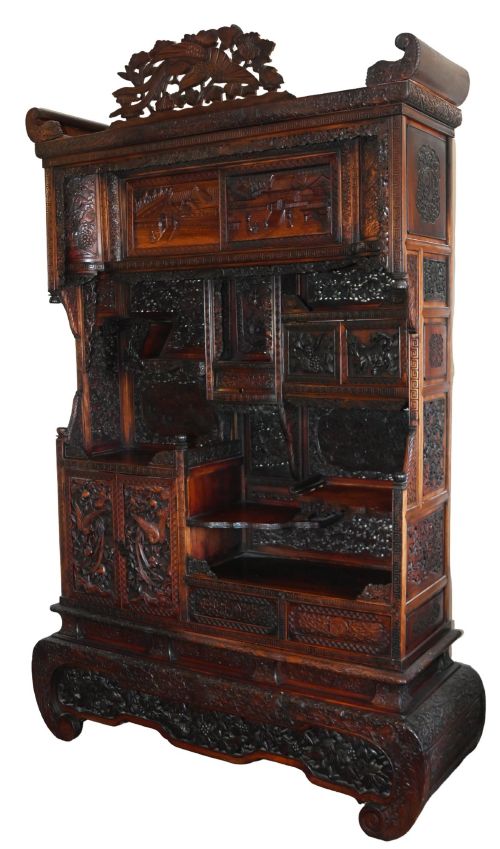
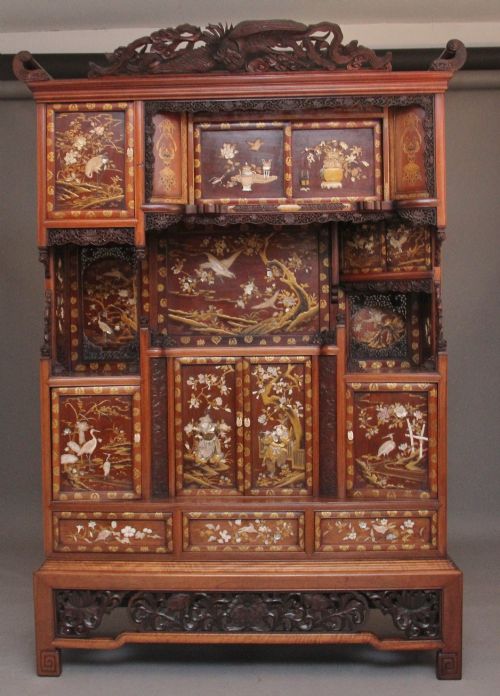
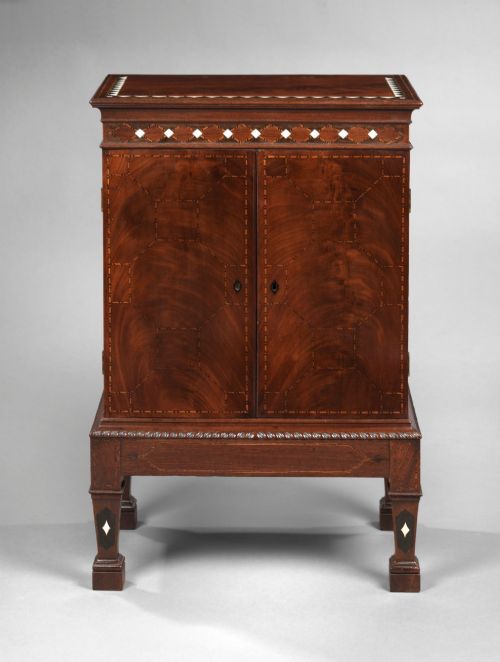
Carved ornamentation on Japanese shodonas and European bookcases demonstrates high levels of manual dexterity among period artisans. Inlaying contrasting veneers created geometric and floral patterns directly onto the timber surfaces.
Listings feature items spanning the seventeenth to the early twentieth century, utilising materials including glass, brass, mahogany, oak, and lacquer.
Distinguishing Quality
Superior cabinets display thoughtful proportion and timber selection, where grain patterns align harmoniously across the visible facade. Lesser examples rely on utilitarian construction methods with minimal attention to decorative cohesion.
The crispness of carved details and the integration of original glass panes indicate the level of craftsmanship invested in a piece. Finer items often incorporate secondary woods of similar quality inside drawers and backing boards.
Gillows·Thomas Chippendale·Darte Brothers·Minton
The Period Display Cabinet Glossary
- Shodona
- A Japanese tabletop or floor-standing display cabinet featuring asymmetrical shelving and compartments. These pieces often showcase intricate woodwork and lacquer techniques characteristic of the Meiji period.
- Secretaire
- A cabinet incorporating a pull-down writing flap that conceals small drawers and pigeonholes. This dual-purpose form combines storage with a compact writing surface.
- Pier cabinet
- A low cabinet designed specifically to fit the wall space between windows. These pieces frequently feature glass doors to display porcelain and decorative objects.
- Breakfront
- A cabinet design where the central section projects forward from the flanking wings. This architectural arrangement adds depth and visual interest to large bookcases.
- Corner cupboard
- A triangular cabinet built to fit neatly into the corner of a room. These items maximise floor space while offering display capacity.
Period Display Cabinet: Frequently Asked Questions
How were display cabinets used?
Historically, households utilised these cabinets to protect and exhibit fine porcelain, glassware, books, and curiosities from dust and damage. They served both a practical storage function and a social role in displaying family refinement.
In dining rooms, libraries, and morning rooms, they kept collections organised while allowing guests to admire the contents through clear glazing.
How do I date a cabinet?
Dating a cabinet involves examining the timber species, construction joints, hardware, and stylistic motifs present in the design. Georgian pieces often show restrained classical lines, whereas Victorian items tend towards heavier proportions.
Comparing the decorative elements, such as brass mounts or lacquer work, against known historical periods helps narrow down the decade of manufacture.
How do I live with one?
Living with a period cabinet simply requires placing it out of direct sunlight to protect antique timber finishes and fragile interior contents. Ensuring the floor is level helps the heavy glass doors hang straight and close properly.
These pieces integrate smoothly into modern rooms by providing practical vertical storage while adding historical warmth and texture.