





Period Dining Cabinet
A period dining cabinet brings centuries of craftsmanship into the modern home, offering both practical storage and striking Regency or Georgian design.
Period Dining Cabinet
A period dining cabinet encompasses a range of formal storage furniture designed for the dining room, most notably sideboards, chiffoniers, buffets, and servers. When you search for a period dining cabinet, you encounter sturdy pieces primarily rooted in the Georgian, Regency, and Edwardian eras.
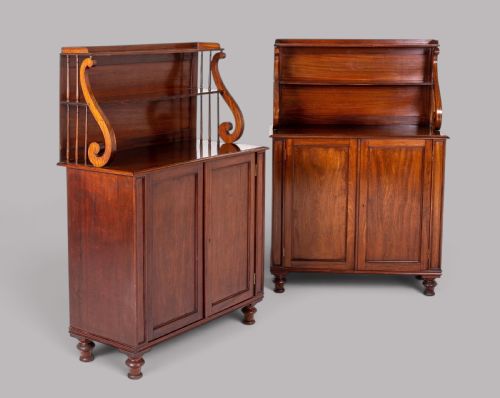
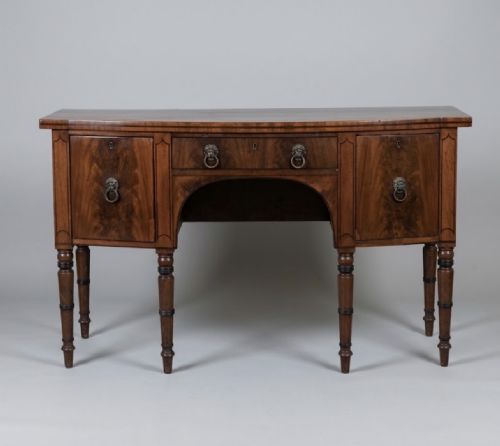
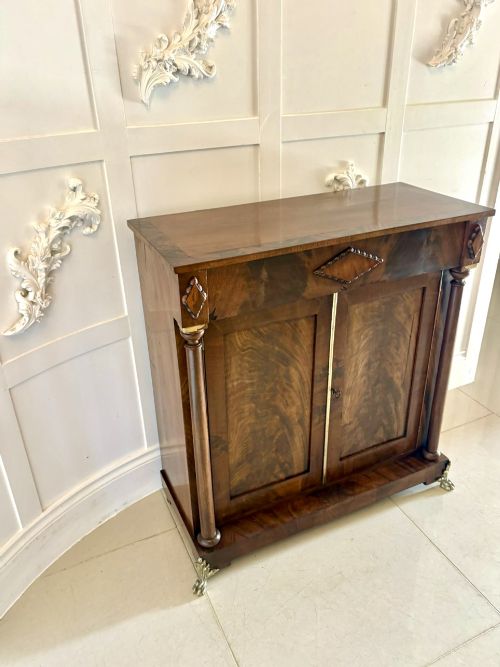
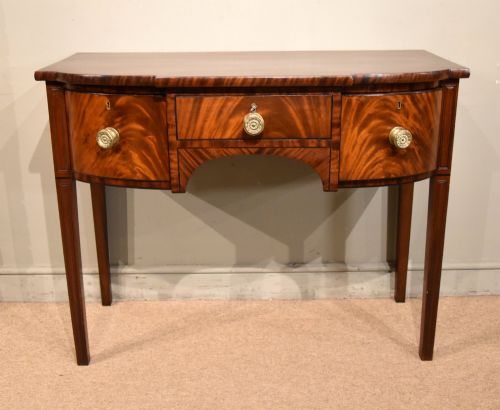
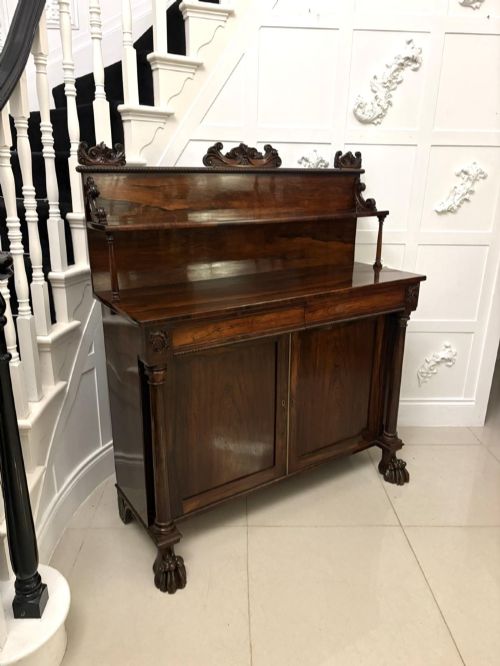
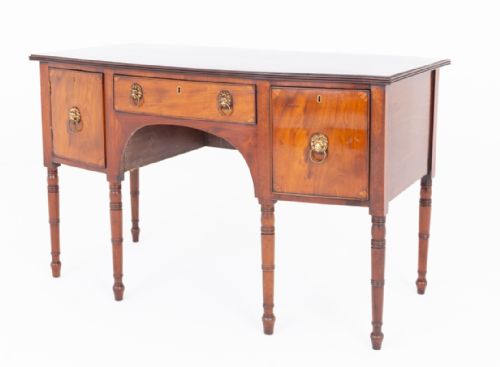
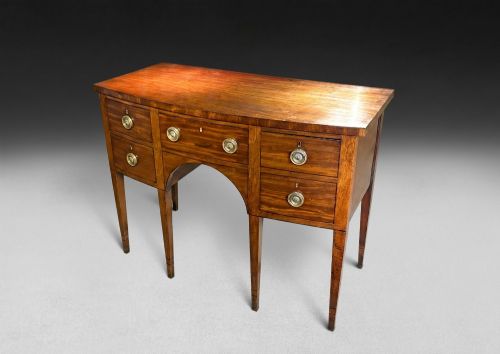
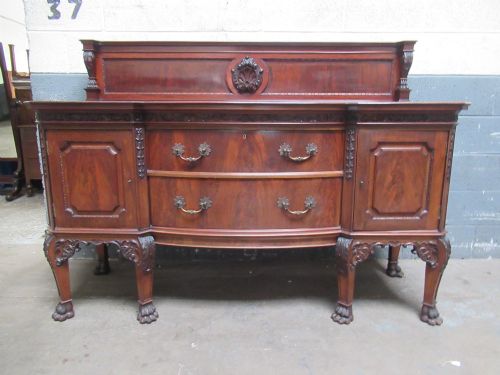
The selections on this page lean heavily toward Regency and George III iterations, alongside Victorian and Edwardian examples. Forms vary from twin pedestal sideboards and drop-well designs to rosewood chiffoniers and satinwood servers fitted with brass galleries.
Makers and craftsmen of these periods utilised substantial timber forms to anchor the dining room. These items served practical functions for serving food and storing plate long before fitted kitchen cabinetry existed.
Markers of quality
Superior examples distinguish themselves through the selection of figured timber veneers and the precision of decorative inlay. Master craftsmen ensured that flame mahogany and satinwood matched symmetrically across drawer fronts and cupboard doors.
Period Dining Cabinet Retail Price Guide 2026
Typical asking prices for period dining cabinet among the pieces listed under this phrase on Sellingantiques today, from the lower quarter to the upper quarter. They describe what is for sale here now, not the wider market.
Listings feature items spanning the 18th Century, Georgian, Regency, Victorian, and Edwardian periods, constructed in mahogany, rosewood, satinwood, oak, and brass.
The Period Dining Cabinet Glossary
- Chiffonier
- A low cabinet, typically featuring shelves or a panelled cupboard door beneath, often fitted with a mirror or superstructure in later iterations. It serves as a smaller side storage unit compared to a full sideboard.
- Bowfront
- A curved front section on a cabinet or sideboard that swells outward in a convex shape. This profile is frequently seen on Georgian and Regency pieces.
- Pedestal sideboard
- A large dining room furnishing featuring two separate pedestal cupboards connected by a central board or serving table. This form is characteristic of the Regency period.
- Satinwood
- A durable, yellowish timber native to India and Sri Lanka, highly prized for contrasting inlay and banding on mahogany furniture. Cabinet makers used it to create bright geometric patterns.
- Brass gallery
- A decorative metal rail mounted on the upper back edge of a sideboard or server. It prevented serving dishes from sliding off during use.
Period Dining Cabinet: Frequently Asked Questions
What is a period dining cabinet?
A period dining cabinet is an antique storage piece built for the dining room, spanning forms like sideboards, chiffoniers, and servers. These items date primarily from the Georgian, Regency, and Edwardian eras.
They were designed to hold tableware, linens, and wine, functioning as both practical furniture and decorative centerpieces during formal meals.
How do I identify a Regency sideboard?
Regency sideboards often feature prominent mahogany or rosewood grains, brass inlay, and structural forms like twin pedestals or drop-well designs. They reflect the classical revival styles popular in the early nineteenth century.
Look for architectural motifs, lion paw feet, and brass gallery rails which help distinguish pieces from this specific design era.
Where were these cabinets placed?
These cabinets stood against the dining room wall, positioned near the dining table for convenient access to serving platters and glassware during meals. Larger houses utilised them in dedicated dining parlours.
Today, they function well in dining rooms, large hallways, or living spaces as statement storage units.
What woods were commonly used?
Mahogany served as the primary timber for most dining cabinets, often enhanced with flame mahogany veneers for striking visual patterns. Rosewood, satinwood, and oak also appear frequently across different periods.
Craftsters used contrasting wood inlays, such as satinwood on dark mahogany, to create detailed geometric and floral borders.