





Period Corner Furniture
Period corner furniture turns neglected angles into purposeful focal points, offering clever storage and display derived from Georgian, Regency, and Victorian craftsmanship.
Period Corner Furniture
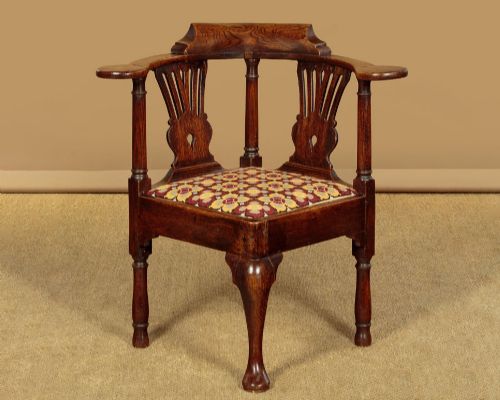
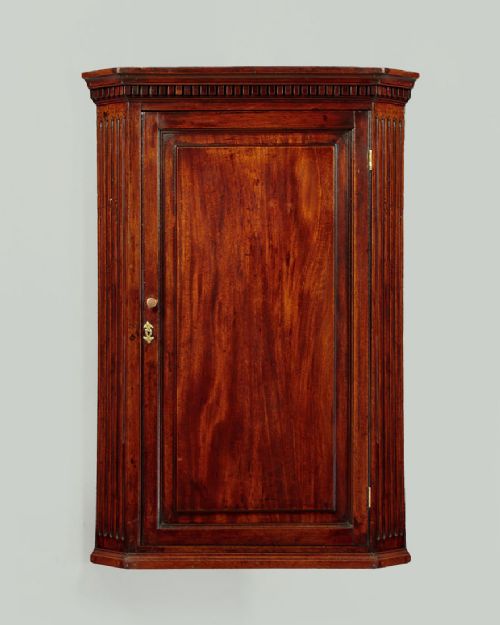
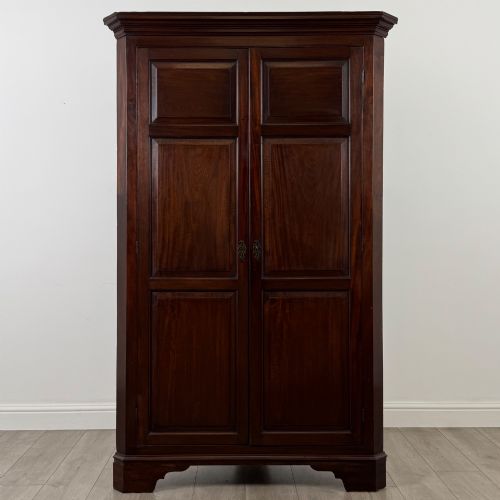
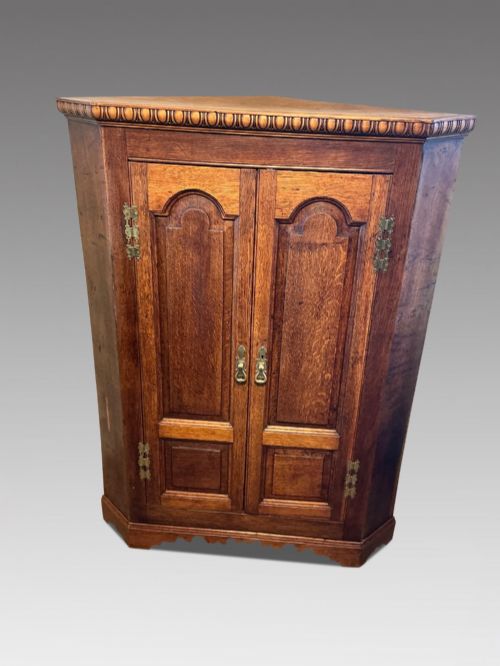
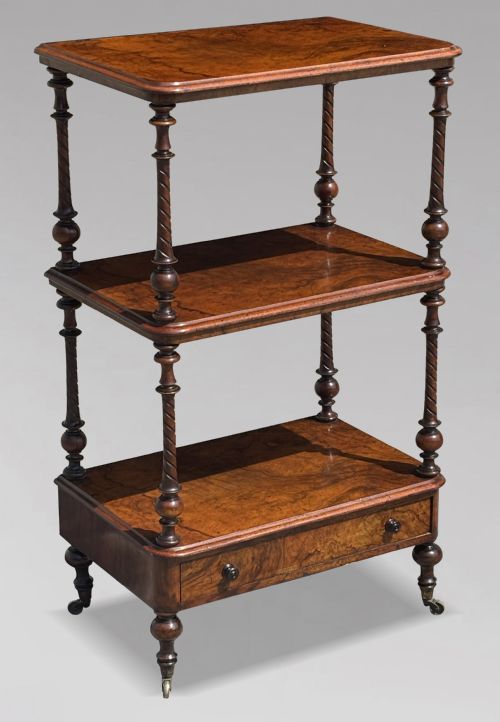
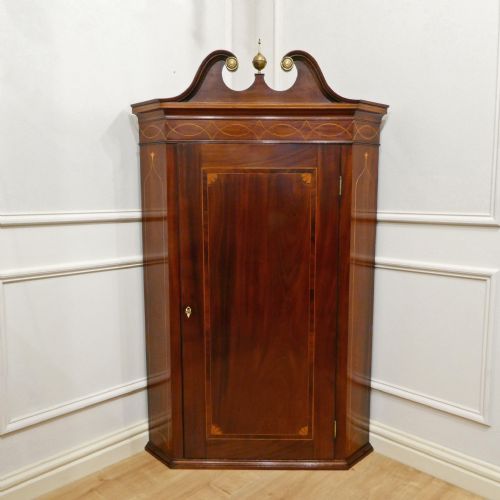
When buyers search for period corner furniture, they encounter an array of space-saving designs explicitly built to fit room angles. The most frequent pieces on this page are corner cupboards and cabinets in hanging or floor-standing formats, alongside multi-tiered etageres.
The selection spans centuries of domestic architecture, drawing heavily from Georgian and 18th-century origins through to Regency and 19th-century interpretations. Woods shift from early oak to figured mahogany, burr oak, walnut, and occasional bamboo.
Forms adapt to specific domestic needs, ranging from enclosed two-part cupboards and glazed display units to open washstands and shelved whatnots. Each piece utilises previously wasted angles to introduce functional surface area and storage into rooms.
Materials and Construction
Makers relied on durable timbers suited to structural cabinetry, choosing solid oak for early vernacular pieces and fine mahogany, walnut, and satinwood for formal urban commissions. Burr oak and birch provided decorative grain patterns on door panels and surfaces.
Carpenters joined carcases to fit wall angles precisely, employing panelled construction for stability in cupboards and tiered vertical supports for etageres. Brass hardware, including hinges, escutcheons, and castors, completed the functional assembly of these fitted and freestanding items.
Period Corner Furniture Retail Price Guide 2026
Typical asking prices for period corner furniture among the pieces listed under this phrase on Sellingantiques today, from the lower quarter to the upper quarter. They describe what is for sale here now, not the wider market.
A lyre-form occasional table proves that even the most dedicated cabinet maker occasionally abandoned right angles for music.
Defining Quality in Corner Pieces
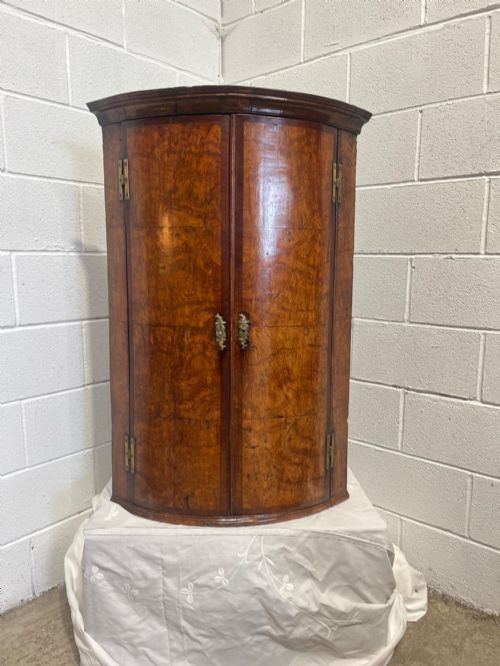
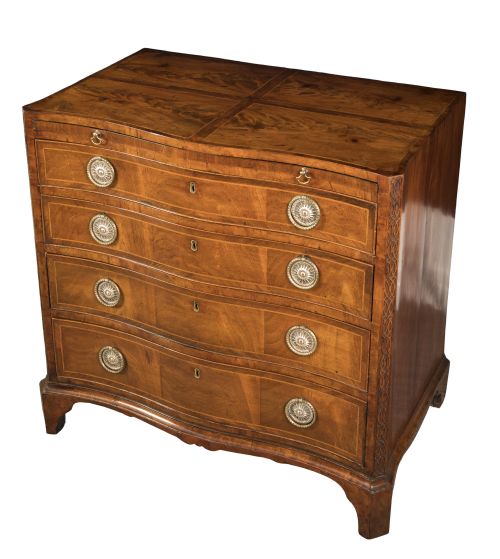
Quality rests in the selection of timber and the precision of the angled joinery that allows a heavy cabinet to sit flush against wall junctions. Superior examples display carefully matched grain veneers, such as burr oak or figured mahogany, across curved or serpentine fronts.
The refinement of interior detailing separates standard utility pieces from high-status commissions, evident in shaped shelving, panelled doors, and original brass fittings. Proportions remain balanced even in compact pieces, ensuring the furniture enhances rather than dominates the corner it occupies.
The Period Corner Furniture Glossary
- Corner cupboard
- A specialised storage cabinet constructed with a triangular or wedge-shaped plan designed to fit neatly into the junction of two walls. These items appear in hanging and standing formats with timber or glazed doors.
- Etagere
- An open set of tiered shelves used for displaying ornaments, books, or small objects. Regency and Victorian examples frequently feature multiple levels supported by turned uprights.
- Bow front
- A convex, outward-curving front facade commonly utilised on cabinets and chests to soften strict geometric angles. This shaping requires skilled timber bending or precise carcase construction.
- Washstand
- A dedicated piece of functional furniture designed to hold washing basins and pitchers, often fitted with lower tiers or small drawers. Period versions frequently take a triangular corner configuration.
- Whatnot
- A freestanding open shelving unit designed for holding miscellaneous household items and decorative objects. These pieces emerged strongly during the Regency and 19th-century periods.
Period Corner Furniture: Frequently Asked Questions
How do I place a corner cabinet?
Position your cabinet firmly into a room junction where wall angles measure ninety degrees, ensuring surrounding clearance allows doors to swing fully open. Floor-standing standing models require stable placement against plastered surfaces.
Lighter hanging cupboards need secure wall fixings anchored directly into studs or masonry to support the weight of the timber carcase and its contents.
What is an etagere used for?
An etagere serves primarily as an open display platform for decorative ceramics, small books, and collected curiosities. Its multiple tiers maximise vertical display space without blocking light.
In period interiors, these tiered stands functioned as movable display furniture in sitting rooms and parlours where floor space remained at a premium.
How do I identify Georgian oak pieces?
Georgian oak items display dense, visible grain patterns with deep honey or dark brown tones acquired through age. Construction relies heavily on pegged joints and solid timber panels rather than thin veneers.
Cabinet makers during this era built robust freestanding and hanging cupboards with straightforward structural lines, often featuring simple panelled doors.
Are corner washstands still functional?
Corner washstands adapt easily into modern interiors as plant stands, hallway side tables, or bathroom display surfaces for toiletries. Their compact triangular footprints make them ideal for small spaces.
While their original basins and ewers are rarely utilised for washing, the upper tiers and lower drawers provide convenient everyday storage.