



Period Clothing Cupboard
A period clothing cupboard offers substantial historical storage, with Georgian and Regency mahogany linen presses and oak panelled cupboards most frequently appearing here.
Period Clothing Cupboard
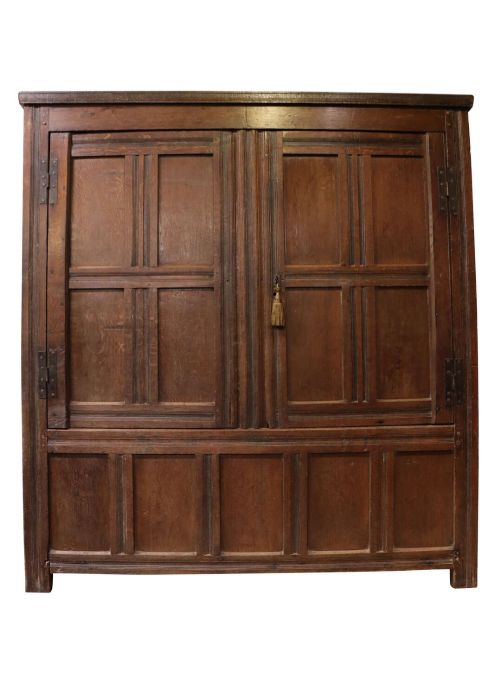
A period clothing cupboard encompasses substantial wooden storage furniture designed to hold garments, linen, and textiles across several centuries of British and international cabinet making. When you search for a period clothing cupboard, you encounter diverse forms ranging from seventeenth-century oak vestment cupboards and eighteenth-century livery cupboards to early nineteenth-century Regency linen presses and wardrobes.
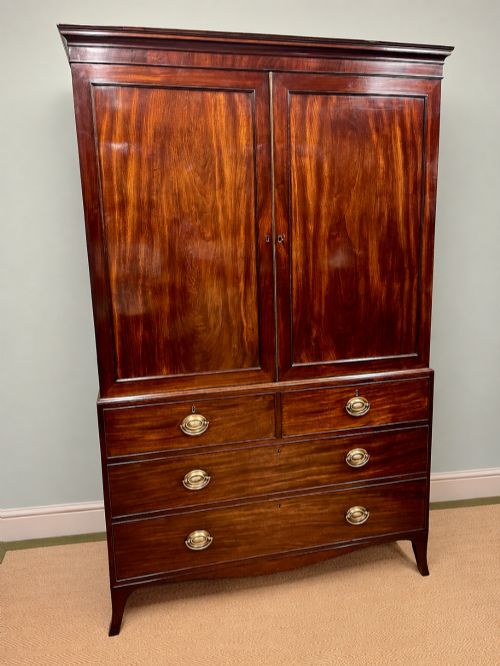
The versions most likely to meet you on this page are mahogany linen presses and gentlemen's cabinets dating from the Georgian and Regency periods, alongside earlier country oak pieces. These functional items typically combine hanging space, sliding trays, and drawer storage within architectural wooden frames fashioned from regional timbers.
How they were made
Cabinet makers constructed these cupboards using solid timbers such as oak, pine, and Cuban or flame mahogany, frequently selecting figured veneers to create striking visual patterns on primary surfaces. Traditional joinery techniques including panel construction, dovetail joints, and mortise and tenon framing ensured structural stability for heavy wardrobes and linen presses.
Hardware additions such as brass handles, escutcheons, and iron hinges completed the construction, while internal elements like sliding shelves in linen presses utilised smooth wooden runners to manage textiles.
Period Clothing Cupboard Retail Price Guide 2026
Typical asking prices for period clothing cupboard among the pieces listed under this phrase on Sellingantiques today, from the lower quarter to the upper quarter. They describe what is for sale here now, not the wider market.
Listings for this phrase span multiple centuries, featuring oak, mahogany, and pine constructions across Georgian, Regency, and Edwardian periods.
What varies in quality
Quality in these cupboards rests primarily on the selection of timber, particularly the choice of figured mahogany veneers or well-quartered oak, alongside the precision of the underlying joinery. Superior examples display thoughtful proportions, harmonious grain alignment across panelled doors, and original brass hardware that integrates cleanly with the cabinet design.
Internal execution also separates the standard production from finer pieces, evident in the smooth operation of linen press slides, finely cut dovetails on internal drawers, and the integrity of secondary timbers used for linings.
Harris Lebus
The Period Clothing Cupboard Glossary
- Linen Press
- A tall piece of case furniture featuring upper cabinet doors enclosing sliding trays for folded textiles, mounted over a base of multiple drawers. This form evolved to store household linens before dedicated wardrobes became standard.
- Gentleman's Cabinet
- A specialised storage cabinet typically combining upper hanging space or sliding trays with a chest of lower drawers, designed specifically for men's attire. These pieces frequently date from the Georgian and Regency eras.
- Livery Cupboard
- An early form of ventilated storage cupboard, often constructed from oak during the seventeenth and eighteenth centuries, originally used for storing food or provisions before transitioning to general domestic use.
- Compactum
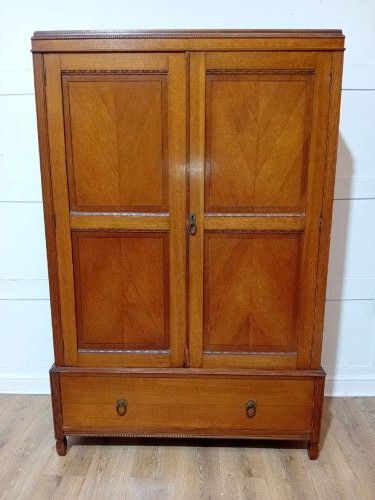
- A multi-functional wardrobe design combining hanging sections, shelves, and drawers within a single unified footprint. This efficient form appears in later nineteenth and early twentieth-century listings.
- Swan-Neck Pediment
- A decorative broken pediment top featuring opposing curved scrolls rising to a central terminal or finial. Cabinet makers employed this architectural detail on high-style eighteenth-century mahogany pieces.
Period Clothing Cupboard: Frequently Asked Questions
What is a linen press?
A linen press is a tall storage cabinet featuring upper doors that open to reveal sliding trays or shelves, traditionally positioned above a chest of drawers.
Cabinet makers designed these pieces to store folded garments and household textiles flat before modern hanging wardrobes became common in domestic interiors.
How do I date a cupboard?
Dating a wooden cupboard relies on examining the primary timber species, construction joinery, secondary woods, and stylistic motifs present in the cornice and door panels.
Earlier pieces from the seventeenth century utilise solid oak with hand-split panels, whereas eighteenth and nineteenth-century examples frequently feature mahogany veneers, pine secondary woods, and refined classical mouldings.
Where were these cupboards placed?
These large storage pieces traditionally stood in bedrooms, dressing rooms, and gallery spaces of country houses and domestic residences to house family wardrobes and linens.
Their substantial proportions mean they require dedicated wall space and careful placement away from direct heat sources to protect the historic wood and veneer.
What is a compactum?
A compactum is an integrated wardrobe configuration that combines hanging compartments, shelving units, and internal drawers into a single piece of furniture.
This efficient design emerged to maximise storage capacity within smaller floor spaces during the late Victorian and Edwardian periods.