
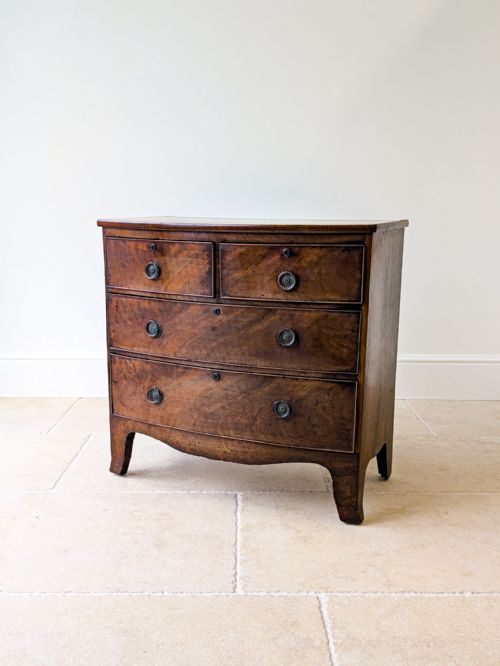
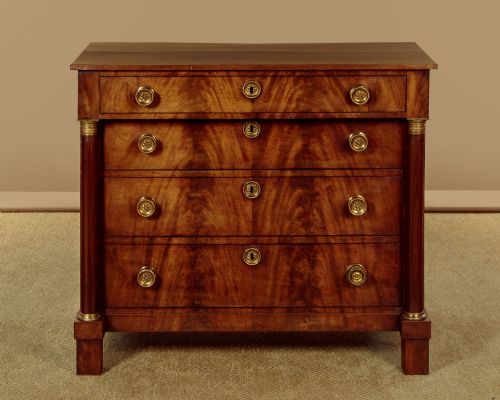
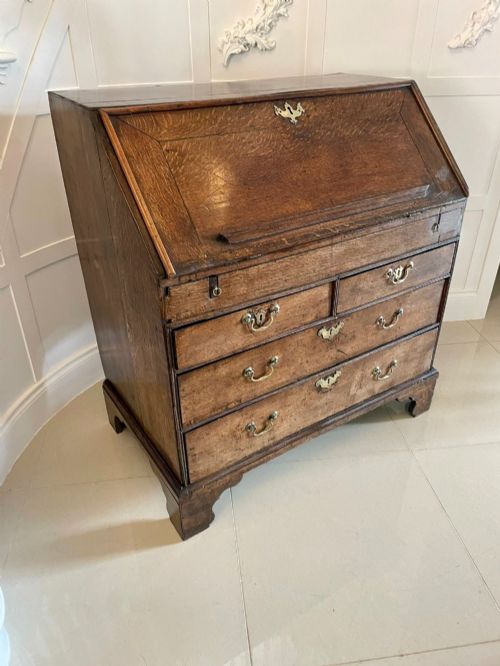
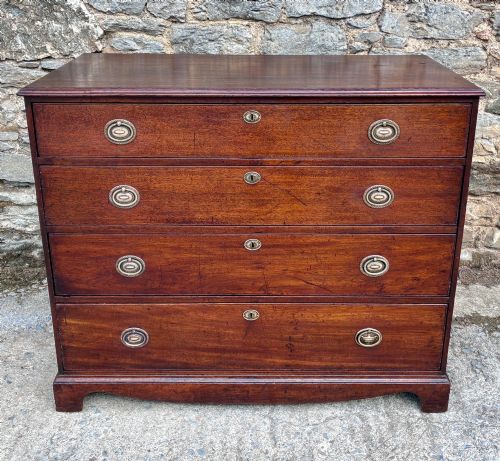
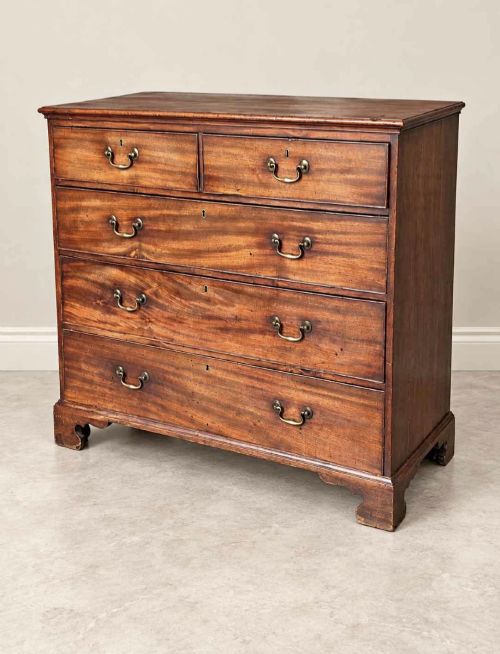
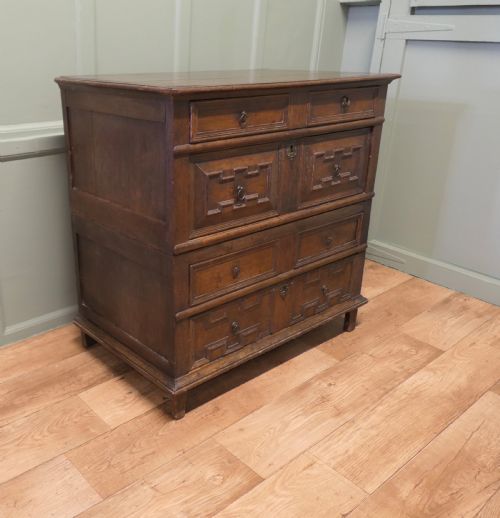
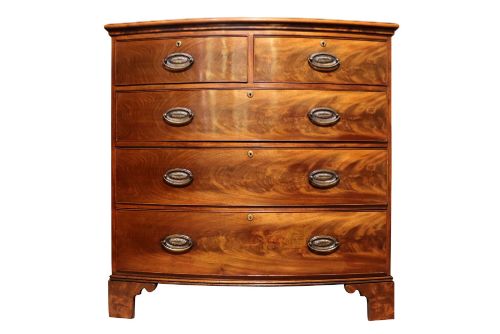
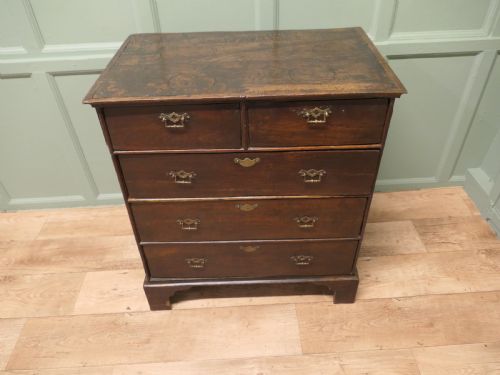
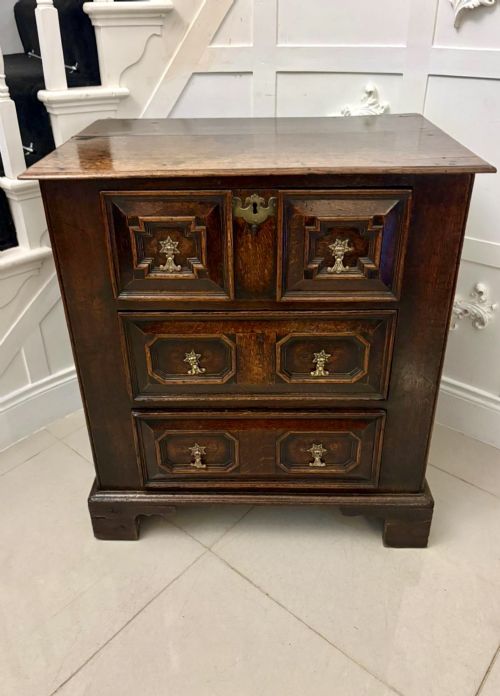
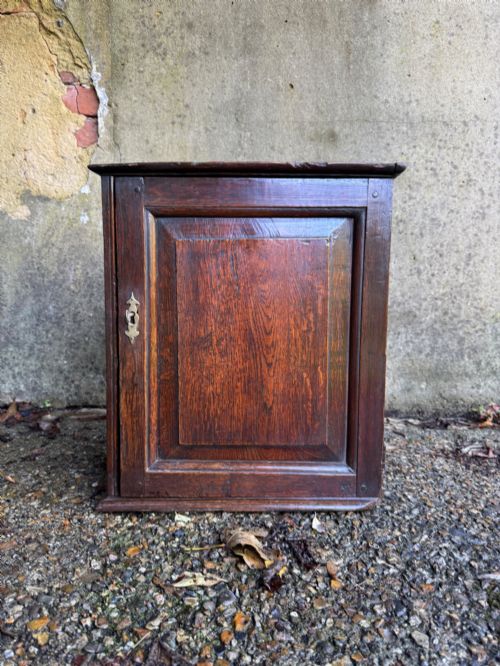
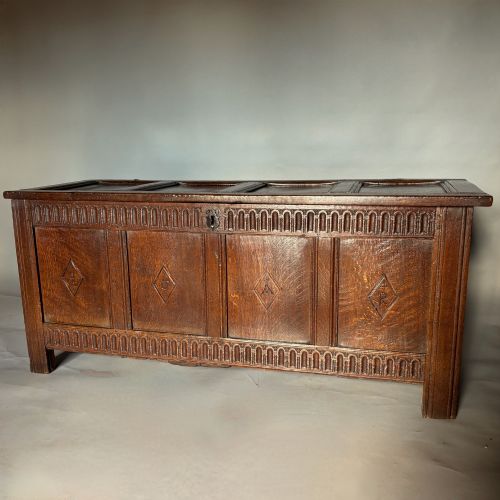
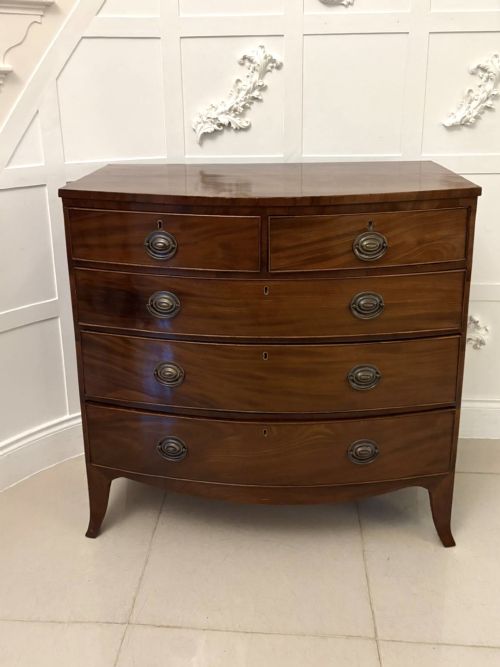
Period Chest on Chest
When you search for period chest on chest, you enter a domain of stacked storage forms that bring architectural presence to a room.
Period Chest on Chest
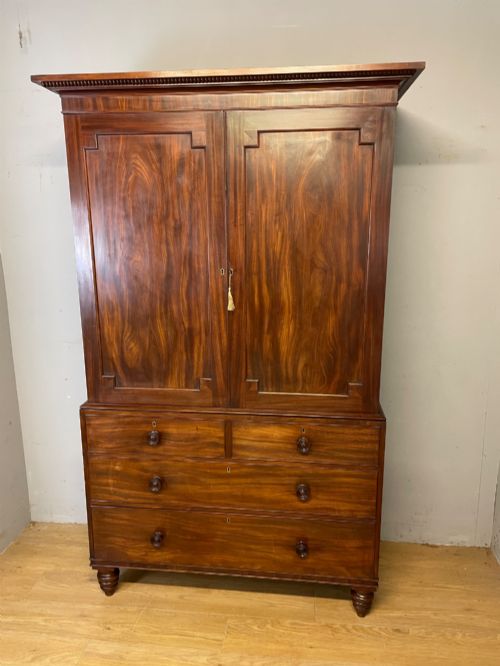
A period chest on chest represents a towering storage form comprising two distinct sections placed one directly upon the other. These configurations maximise vertical capacity while maintaining a smaller footprint in historic interiors.
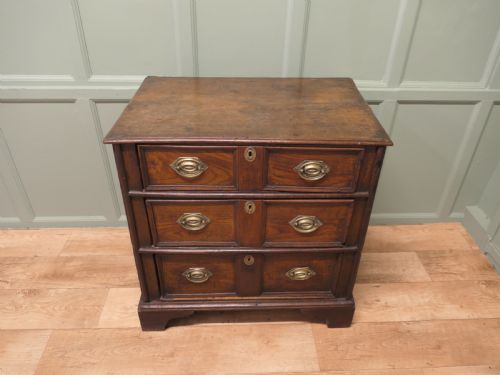
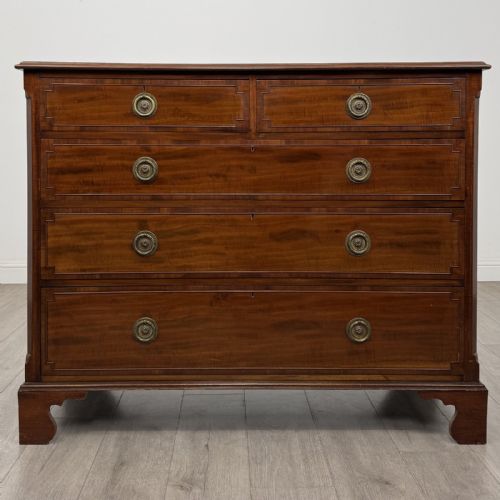
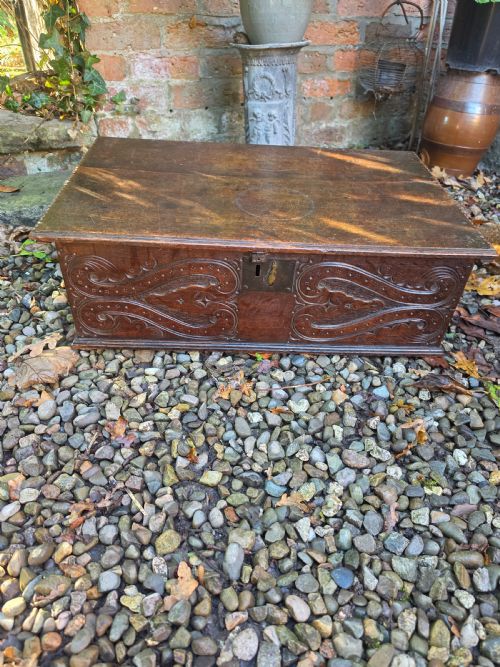
The selections span centuries of cabinet making, involving forms from Georgian walnut and mahogany tall chests to earlier joined oak examples. While the literal phrase denotes a dual carcass chest, the broader offerings include related drawer chests and coffers reflecting similar vernacular and formal traditions.
Makers designed these tiered pieces to hold linens, garments, and personal valuables within domestic bedchambers and dressing rooms. Their substantial proportions demand adequate wall space and ceiling clearance in modern settings.
How they were made
Cabinet makers utilised dense native and imported timbers, selecting oak for seventeenth-century pieces and rich mahogany, flame mahogany, or satinwood for later Georgian and Regency iterations. Carpenters often incorporated secondary woods for internal drawer linings and backboards.
Construction relied on traditional joinery techniques including dovetail joints for drawer construction and mortise and tenon frames for panelled carcases. Timber surfaces received hand-rubbed finishes using wax or shellac to highlight the natural grain patterns.
Some early oak coffers feature carved winged fantastic beasts guarding the contents from unseen domestic mischief.
What varies in quality
The standard of a piece depends on the crispness of carved details, the selection of figured timber veneers, and the integrity of the original brass handles and escutcheons. Superior examples display careful grain matching across the stacked drawer fronts.
Proportion and scale dictate the visual success of the double carcass form, where top and bottom sections must balance harmoniously. Superior execution shows in the tight tolerances of drawer fit and the retention of original timber backs and feet.
The Period Chest on Chest Glossary
- Chest on chest
- A tall storage unit formed by stacking one smaller chest of drawers directly upon a larger base chest.
- Dovetail
- A joint formed by interlocking wedge-shaped fingers, commonly utilised in drawer construction for maximum tensile strength.
- Coffer
- A heavy wooden chest traditionally used for storing valuables, linens, or documents before dedicated wardrobes became common.
- Escutcheon
- A protective plate surrounding a keyhole, often fashioned from brass to complement the drawer pulls.
- Cornice
- The decorative moulded projection that crowns the uppermost section of a tall case piece.
Period Chest on Chest: Frequently Asked Questions
What is a period chest on chest?
A period chest on chest is a tall, two-part storage furniture item where a slightly smaller chest sits atop a wider base chest.
This stacked arrangement provides significant drawer capacity while occupying a relatively compact floor area in a room.
How were these tall chests used?
These tall chests served primarily in bedchambers for storing folded garments, bed linens, and personal valuables.
The upper tiers held smaller items like garments, while the deeper bottom drawers accommodated bulkier textiles.
How do I fit a tall chest in my home?
Ensure you measure your ceiling height and wall clearance carefully before placing a dual carcass chest in a modern interior.
Anchor the heavy upper section securely to the wall to maintain stability and prevent tipping.
How do I identify the period of the wood?
Examine the primary timber, construction methods, and hardware styles to determine the era of manufacture.
Early pieces typically feature heavy joined oak with pegged tenons, whereas eighteenth-century examples display refined mahogany veneers and hand-cut dovetails.