


Period Ceiling Lantern
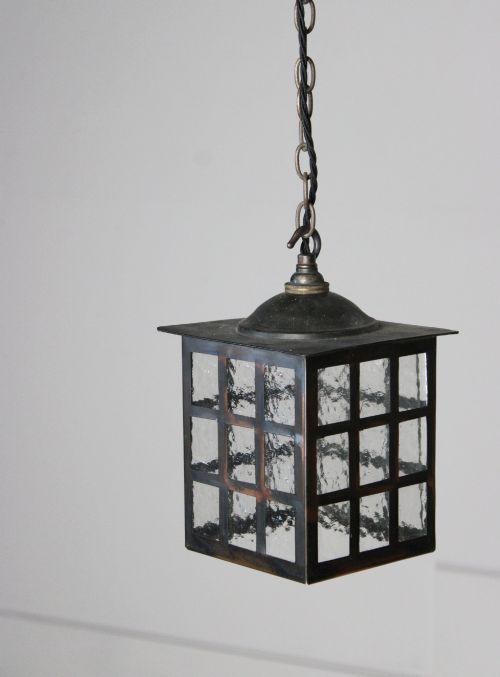
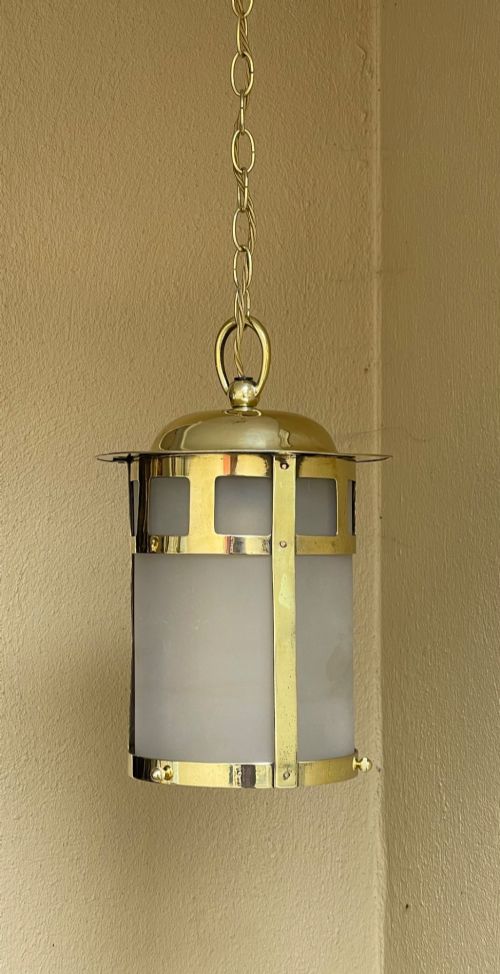
A period ceiling lantern brings authentic architectural character to a hallway or entrance, casting warm illumination through bevelled glass and patinated metal.
Period Ceiling Lantern
When you search for period ceiling lantern, you encounter hanging light fixtures designed to illuminate hallways, vestibules and stairwells in older properties. These fittings are suspended directly from the ceiling by chains, rods or brackets.
The selections span the Edwardian era, the 1930s, 1910, 1900, the nineteenth century and 1890. You most frequently meet brass and copper constructions featuring glass panes.
Object types vary across pendant lights, ceiling lights, ceiling lighting and pendant lighting. Styles range through Edwardian, Arts and Crafts, Art Deco, Art Nouveau, Gothic Revival, French Empire and French Rococo.
How they were made
Maker construction relies heavily on worked metals such as brass, copper, iron and silver plate, shaped into rigid frames to house the illumination source. Bronze and gilded brass also appear in specific French revival designs.
Panes utilise clear glass, frosted glass and cut glass, held securely within the metal armature. These materials combine to balance structural durability with decorative refraction.
One copper lantern incorporates a Green Man mask, bringing a touch of medieval woodland folklore straight into the hallway.
What varies in quality
Distinction across these lanterns rests in the weight of the metal frame and the intricacy of the decorative casting or hand-beaten work. Heavier brass and copper components indicate superior substance compared to lighter pressed alternatives.
The refinement of the glass panels, particularly cut or heavily frosted examples, dictates the overall visual elegance. Original patination on the metal surfaces further separates standard items from exceptional survivals.
The Period Ceiling Lantern Glossary
- Arts and Crafts
- A design movement prioritising handcraftsmanship and simple forms. Pieces often display honest construction methods and visible fixings.
- Art Deco
- A style characterised by sleek geometric lines and stylised motifs. This aesthetic became prominent during the interwar period.
- Art Nouveau
- A decorative style inspired by natural organic forms such as plant stems and flowers. Lines tend to be flowing and asymmetrical.
- French Empire
- A neoclassical design style marked by formal symmetry and classical motifs. These fixtures often incorporate gilt metalwork.
- Frosted glass
- Glass treated to appear opaque, diffusing the light source evenly. This technique softens harsh glares within interior spaces.
Period Ceiling Lantern: Frequently Asked Questions
Where should a ceiling lantern be hung?
These fixtures suit entrance halls, vestibules and high-ceilinged landings where adequate vertical clearance allows safe suspension.
Positioning them centrally creates a welcoming focal point upon entry.
How do I identify an Edwardian lantern?
Edwardian examples typically exhibit restrained neoclassical details or simplified arts and crafts influences.
Materials commonly feature polished brass or copper paired with clear or lightly frosted glass.
Can these lights use modern bulbs?
Most antique lanterns accept standard modern lamp fittings with appropriate wiring updates.
Consult a qualified electrician to ensure safety compliance before installation.
What maintenance do copper frames need?
Copper requires occasional dusting and gentle cleaning to preserve the natural surface patination.
Avoid abrasive polishes that strip away historical character.