




Period Book Stand
A period book stand brings architectural timber and smart joinery to a corner, giving heavy volumes a proper home.
Period Book Stand
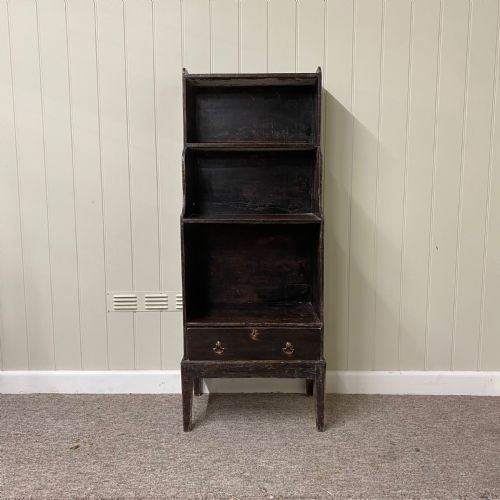
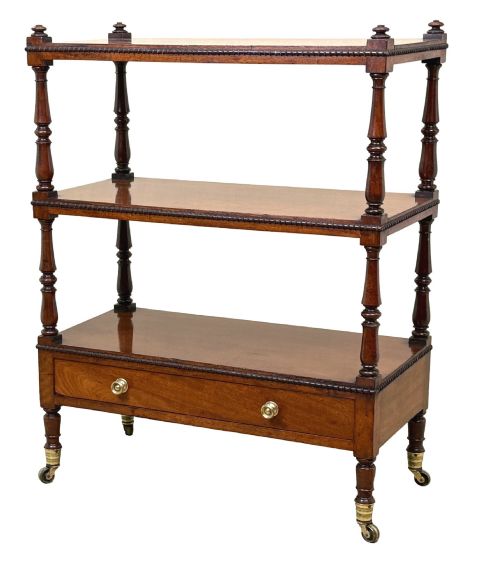
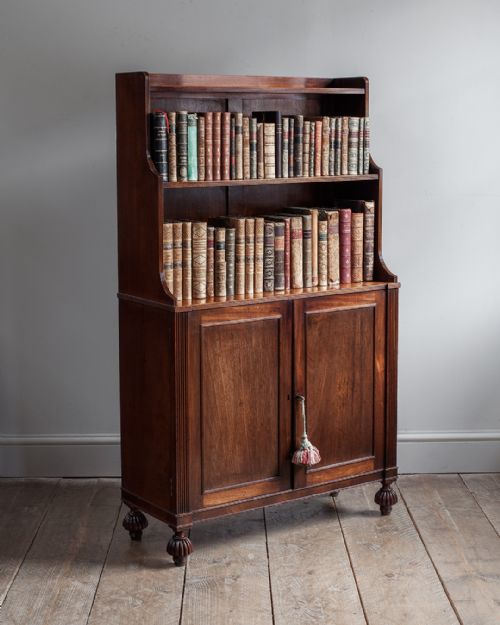
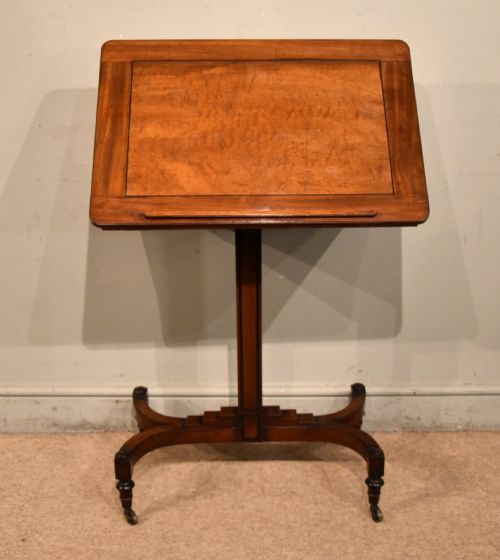
A period book stand covers an array of timber library furniture designed to keep volumes and papers close to hand, ranging from low open shelves to multi-tiered étagères and dedicated reading stands. When searching for a period book stand, buyers encounter pieces primarily from the Regency and nineteenth-century eras, constructed to serve the scholarly household.
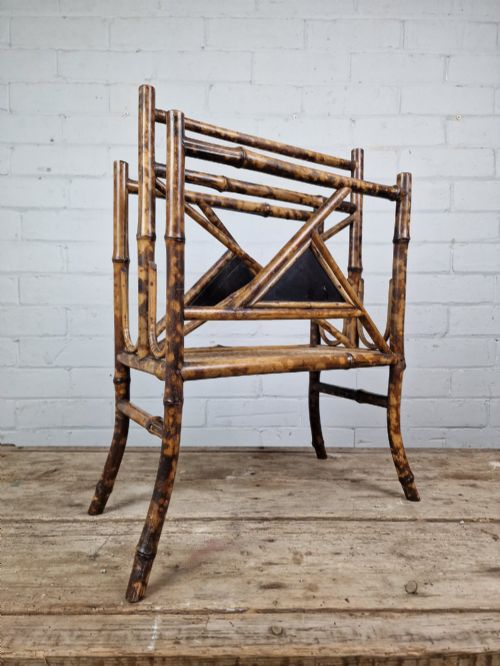
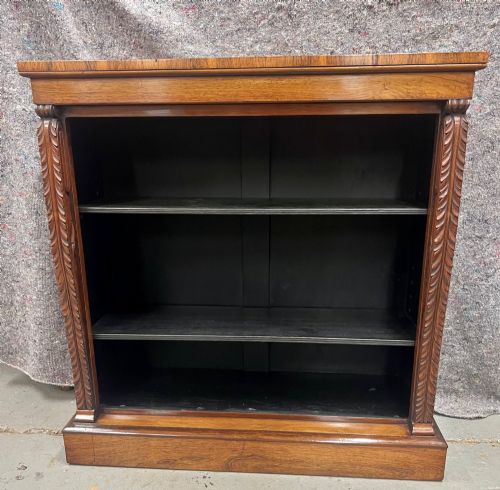
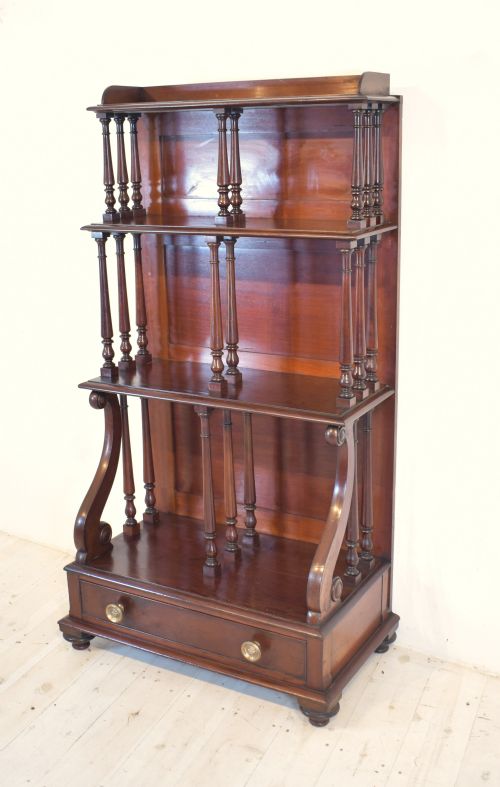
The most common forms on this page include mahogany open bookcases, waterfall bookcases, and revolving or adjustable reading stands. Alongside these stand traditional whatnots and bamboo magazine racks, each built to organise texts in a formal study or private library.
Origins stretch across the Georgian, Regency, and George IV eras into the interwar period, though early nineteenth-century mahogany and rosewood examples dominate the selection. These items reflect changing domestic habits, moving from bespoke library furniture to lighter, movable stands suited for parlours and sitting rooms.
Materials and construction
Cabinetmakers relied heavily on dense tropical hardwoods like mahogany and rosewood, prized for their rich grain and ability to hold crisp mouldings and delicate turned columns. Selected pieces incorporate brass mounts, casters, and leather inserts to finish writing surfaces or protect reading ledges.
Alternative aesthetics introduced lighter materials such as bamboo and lacquered surfaces during the later nineteenth century, while interwar workshops utilised standard timber framing for practical reading furniture. Joinery techniques prioritised sturdy uprights, pegged shelves, and tiered platforms capable of supporting heavy folios.
Period Book Stand Retail Price Guide 2026
Typical asking prices for period book stand among the pieces listed under this phrase on Sellingantiques today, from the lower quarter to the upper quarter. They describe what is for sale here now, not the wider market.
A solitary Harrods label from the 1930s proves that even grand department stores once catered to serious readers.
Assessing craftsmanship and finish
The distinction between ordinary utility pieces and finer examples rests on timber selection, figure matching, and the refinement of turned supports. Superior stands exhibit carefully matched grain patterns across shelves and drawer fronts, alongside restrained brass detailing rather than heavy or clumsy hardware.
Proportion and structural integrity dictate the standing of a piece within the range, as well-balanced tiers and tight joints indicate competent workshop execution. The depth of the polish and the natural ageing of the mahogany or rosewood further distinguish superior examples from plain domestic items.
Harrods
The Period Book Stand Glossary
- Étagère
- An open piece of furniture with multiple shelves for displaying books, ornaments, or small objects. It provides accessible tiered storage in a compact footprint.
- Waterfall bookcase
- A set of open shelves where the sides step back progressively from bottom to top, creating a cascading profile. This form gained popularity during the Regency period.
- Whatnot
- A movable stand with three or more tiers supported by slender uprights or columns. It serves to hold books and reading materials in domestic rooms.
- Secretaire chiffonier
- A low cabinet featuring a pull-out writing drawer combined with enclosed lower shelving. It merges desk functions with compact book storage.
Period Book Stand: Frequently Asked Questions
What is a period book stand?
A period book stand is a piece of antique library or parlour furniture designed to support, organise, or display books and reading materials. These items include freestanding open shelves, reading lecterns, and tiered display stands.
Most examples date from the Georgian and Regency eras through to the early twentieth century, constructed primarily in mahogany, rosewood, and bamboo. They combine practical shelving with the decorative cabinetmaking standards of their respective periods.
How do I date a wooden book stand?
Dating relies on observing timber choices, construction methods, and stylistic cues such as reeded columns, turned legs, or graduated shelving tiers. Regency and George IV pieces frequently employ dense Cuban mahogany or rosewood with brass details.
Later nineteenth-century stands introduce alternative materials like bamboo or lighter construction methods, while interwar pieces reflect twentieth-century manufacturing approaches. Comparing the joinery and hardware to documented examples from specific periods helps confirm the era of origin.
Where were reading stands placed in a home?
Reading stands and music stands were typically positioned beside armchairs, near windows, or close to fireplaces in studies, libraries, and drawing rooms. Their movable nature allowed readers to adjust their position for optimal natural or candle-lit illumination.
Smaller stands served parlours where family members gathered to read periodicals or sheet music, while larger bookcases and whatnots remained anchored against library walls.
How should I care for antique mahogany furniture?
Antique mahogany requires stable indoor humidity levels and protection from direct sunlight to prevent the timber from drying out or fading. Dusting regularly with a soft, dry cloth preserves the polished surface without the need for heavy chemical polishes.
Applying a traditional beeswax conditioner occasionally helps nourish the grain and maintains the natural lustre of nineteenth-century wood finishes.