



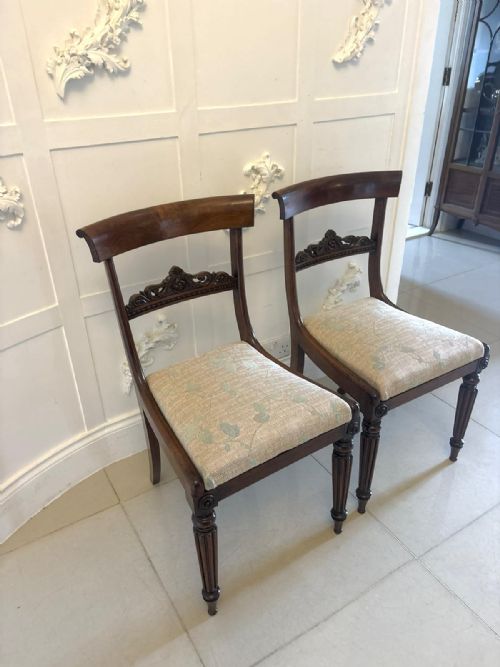


Period Bedroom Chair
A period bedroom chair brings refined seating to a dressing room or chamber, offering character and utility through centuries of design.
Period Bedroom Chair
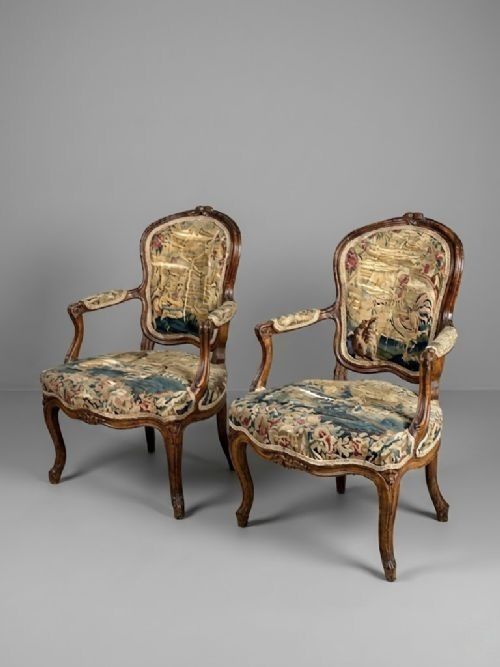
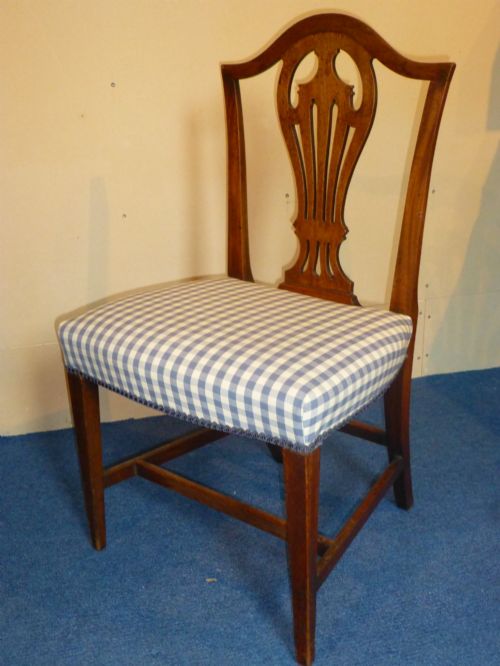
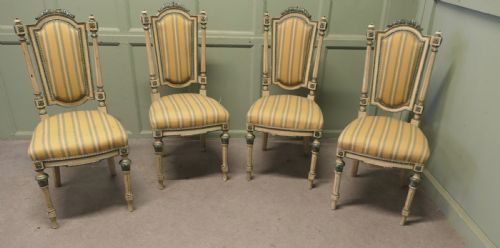
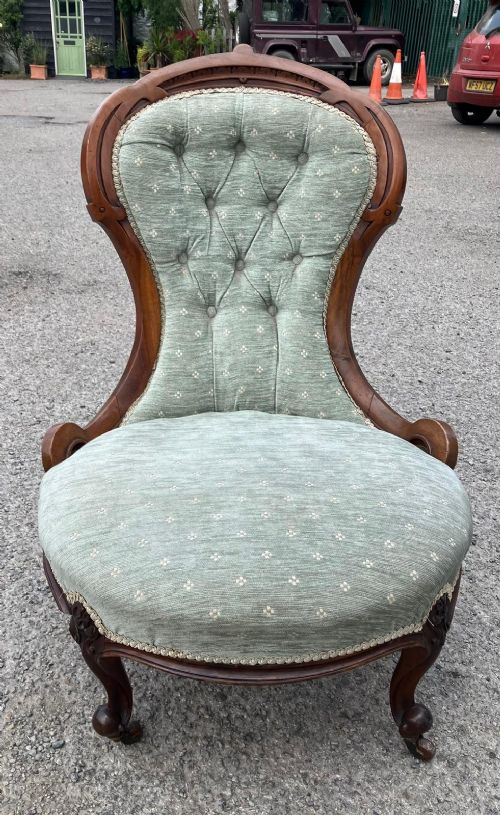
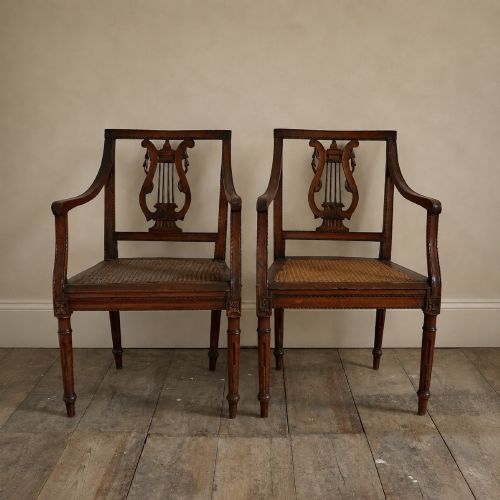
A period bedroom chair encompasses seating forms designed for private chambers, dressing rooms and parlours across the eighteenth, nineteenth and early twentieth centuries. These pieces appear in forms ranging from low-seated nursing chairs and tub chairs to side chairs and elegant armchairs.
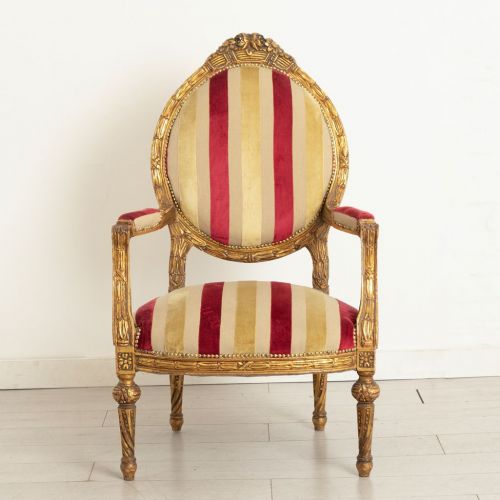
Buyers will encounter diverse regional interpretations, from English mahogany side chairs to French gilt salon chairs and painted bamboo frames. Each style reflects the domestic habits and decorative tastes of its original era.
How they were made
Cabinetmakers and joiners shaped these frames from dense hardwoods like mahogany and walnut, frequently utilising fruitwood and giltwood for specific regional aesthetics. Turning, carving and string inlay defined the structural ornamentation of nineteenth and early twentieth-century examples.
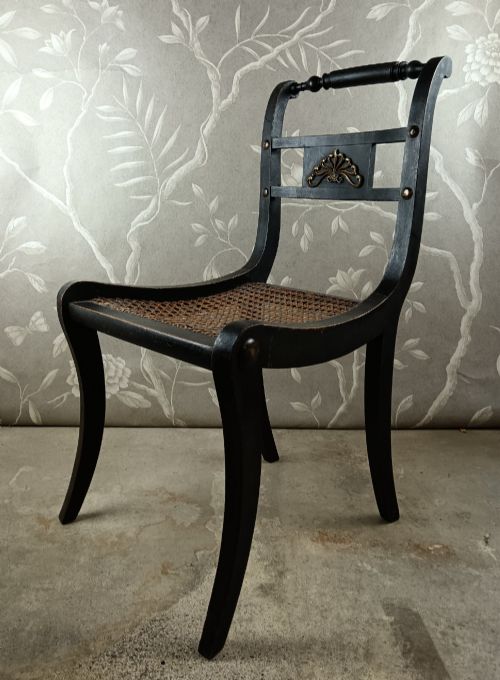
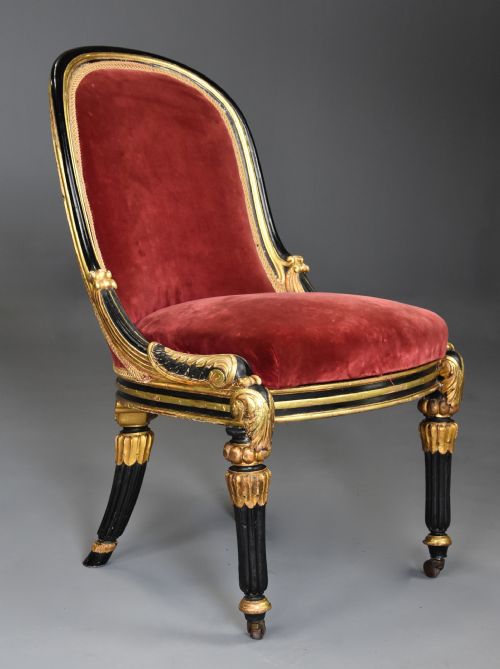
Upholstery methods involved traditional stuffing techniques covered in contemporary fabrics, velvet or needlepoint. Many pieces integrated cane panels into the backrests and seats, while others employed brass castors and button-backed padding to enhance comfort.
Period Bedroom Chair Retail Price Guide 2026
Typical asking prices for period bedroom chair among the pieces listed under this phrase on Sellingantiques today, from the lower quarter to the upper quarter. They describe what is for sale here now, not the wider market.
Listings span the eighteenth, nineteenth and twentieth centuries, uniting Georgian, Regency, Victorian and Edwardian examples in mahogany, walnut and giltwood.
What varies in quality
The calibre of a period bedroom chair rests upon the crispness of its hand-carving and the integrity of its timber frame. Superior examples demonstrate thoughtful proportion and harmonious joinery rather than purely decorative additions.
Original elements such as cane work, painted surfaces and hardware elevate a piece above later replacements. The choice of primary timber and the refinement of inlay work separate standard regional production from workshop output.
The Period Bedroom Chair Glossary
- Fauteuil
- An open-framed armchair with upholstered armrests, typically originating from French stylistic traditions. These seats combine decorative woodwork with padded comfort.
- Nursing chair
- A low-seated chair designed for childcare and personal grooming in Victorian bedchambers. Their compact proportions allowed sitters to tend to infants with ease.
- Caning
- A woven lattice technique utilising split rattan to form lightweight seats and backrests. This method appears frequently on Regency and Edwardian seating.
- Balloon-back
- A curved, oval-shaped backrest resembling a blown sphere, popular during the Victorian era. This contour provided ergonomic support while showcasing figured mahogany grain.
- Slipper chair
- An upholstered seat with short legs designed for dressing rooms and bedrooms. They sit closer to the floor than standard parlour chairs.
Period Bedroom Chair: Frequently Asked Questions
Where should I place a period bedroom chair?
These compact seats suit dressing rooms, quiet corners or guest chambers where floor space is limited. Their smaller scale allows them to function as accent seating without dominating the room.
Pairing a low nursing chair or side chair with a vanity or dressing table maintains historical context while offering practical utility in modern homes.
How do I identify a Victorian bedroom chair?
Victorian examples often feature dark hardwoods such as mahogany or walnut, complemented by balloon backs, button upholstery or turned legs fitted with brass castors. These details point directly to mid and late nineteenth-century manufacturing.
Proportions tend to be sturdier than earlier Georgian pieces, reflecting the heavier domestic upholstery styles favoured during the reign of Queen Victoria.
Are these chairs comfortable for daily use?
Many period bedroom chairs were built for specific tasks like dressing or needlework, resulting in firmer padding and lower seats than modern armchairs. Upholstered nursing chairs and tub designs offer a more relaxed sit.
Consider how you plan to use the seat, as styles with cane panels or rigid wooden backs function best for brief tasks or decorative placement.
What is the difference between an armchair and a side chair?
Armchairs feature structural armrests designed for relaxed sitting, whereas side chairs omit arms to allow easy movement around dressing tables and bedroom desks. Side chairs take up less visual and physical space.
Both forms share the stylistic traits of their respective periods, whether executed in Regency ebonised wood or Edwardian inlaid mahogany.