
Period Armchairs
Period armchairs bring substantial historical presence to a room, offering diverse seating forms from the seventeenth to the twentieth century.
Period Armchairs
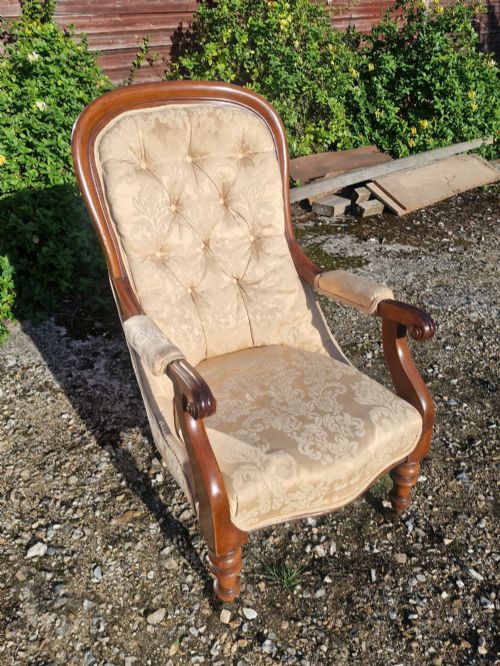
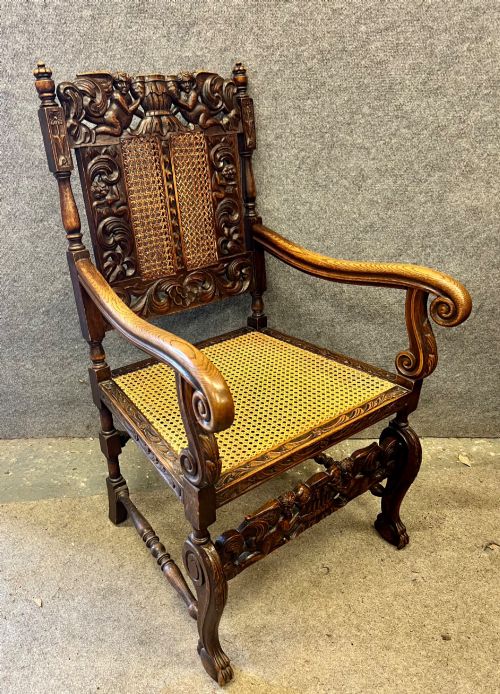
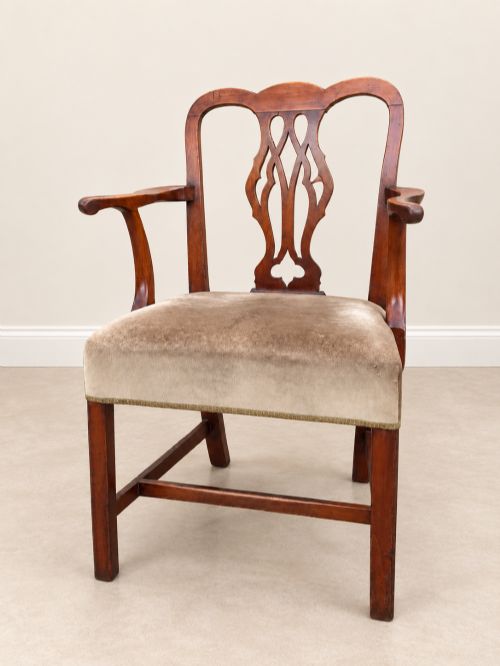
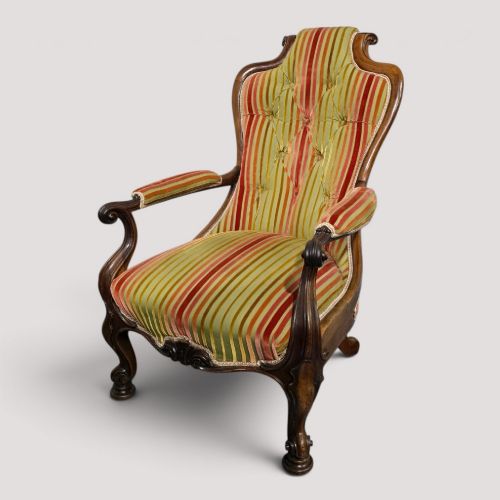
Period armchairs encompass a wide variety of seating forms, ranging from seventeenth-century oak wainscot examples to twentieth-century French leather club chairs and Art Deco Scandinavian birch designs. These pieces span multiple eras including the Georgian, Regency, and Victorian periods, reflecting shifting domestic tastes and cabinet-making traditions over several centuries.
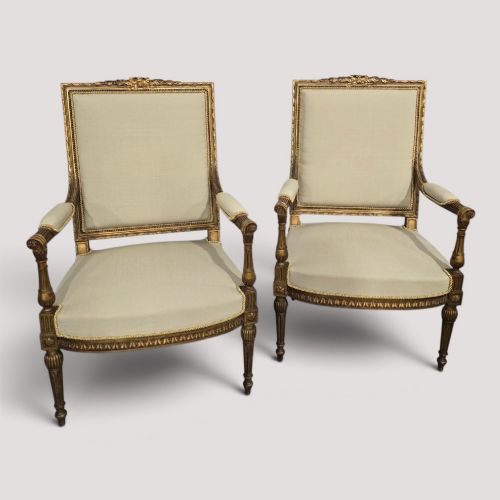
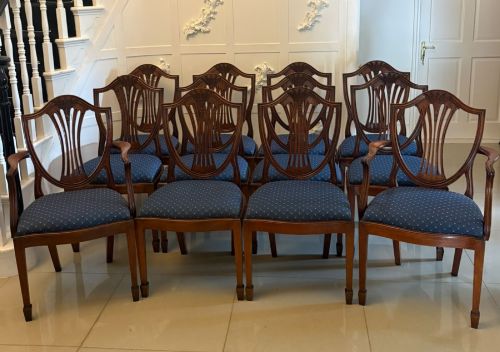
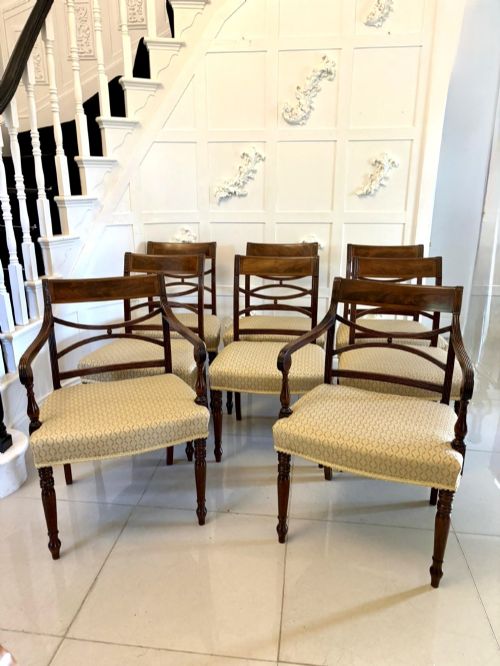
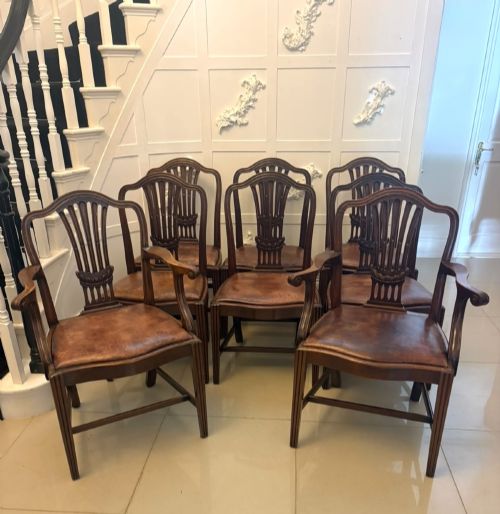
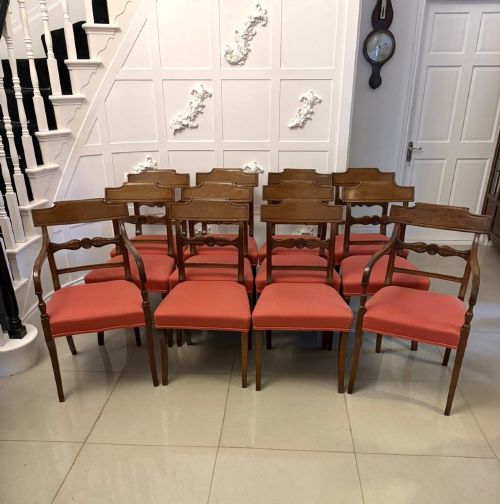
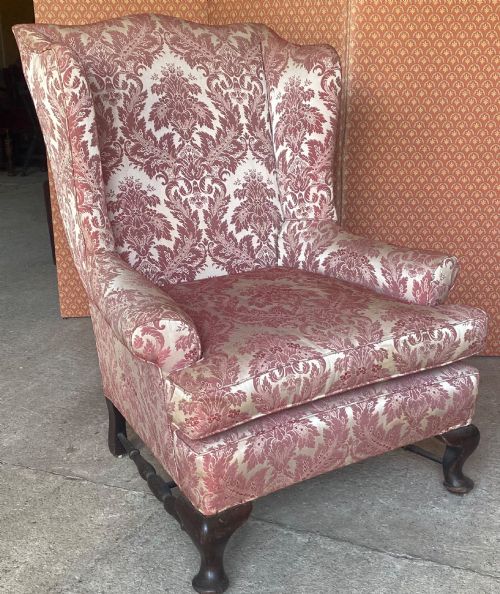
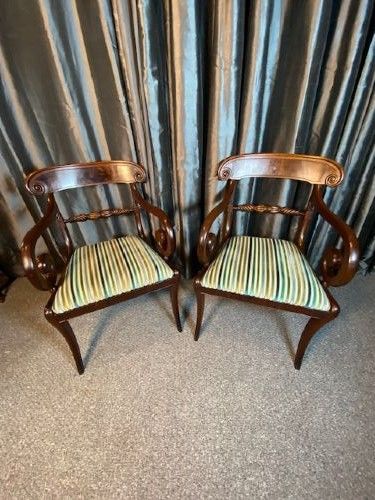
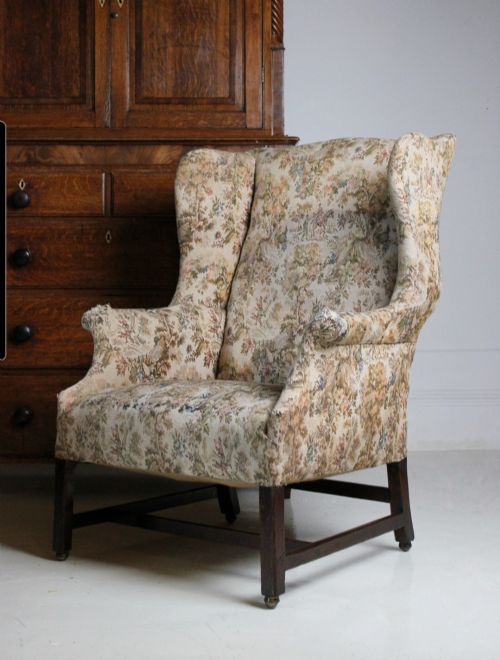
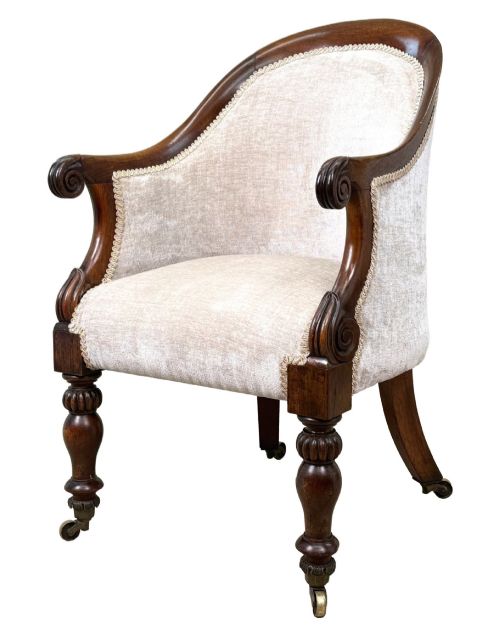
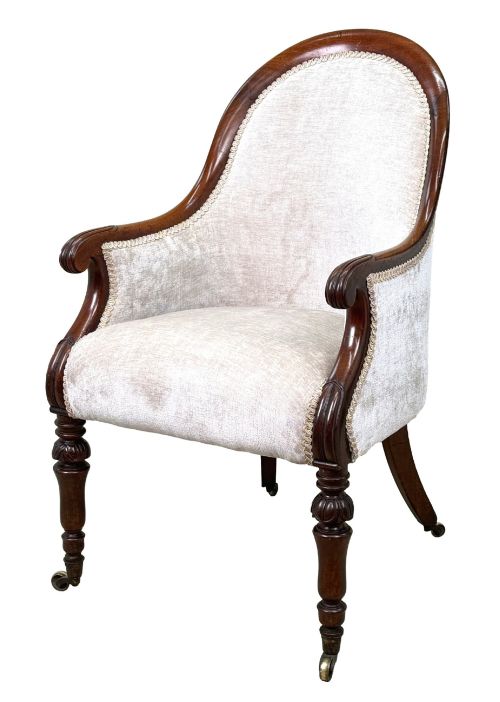
Buyers encountering this selection frequently meet mahogany library armchairs, upholstered wingbacks, and carvers originating from the eighteenth and nineteenth centuries. Dining armchairs often appear within large sets alongside single chairs, while French gilt open armchairs and bergères represent continental salon styles.
Materials and Technique
Makers constructed frames predominantly from dense hardwoods like mahogany, oak, and rosewood, ensuring structural integrity for weight-bearing components such as legs, arm supports, and crest rails. Joinery relied on traditional methods like mortise and tenon joints to secure the wooden framework before final carving or polishing.
Upholstery methods involved securing supportive webbing and stuffing directly into the frame before applying final coverings of leather, velvet, silk, or tapestry, often secured with brass tacks. Giltwood and painted surfaces received layers of preparation before applying gold leaf or decorative pigments to carved details.
Listings feature mahogany, rosewood, oak, and walnut frames, paired with leather, velvet, and tapestry upholstery across multiple centuries.
Evaluating Quality
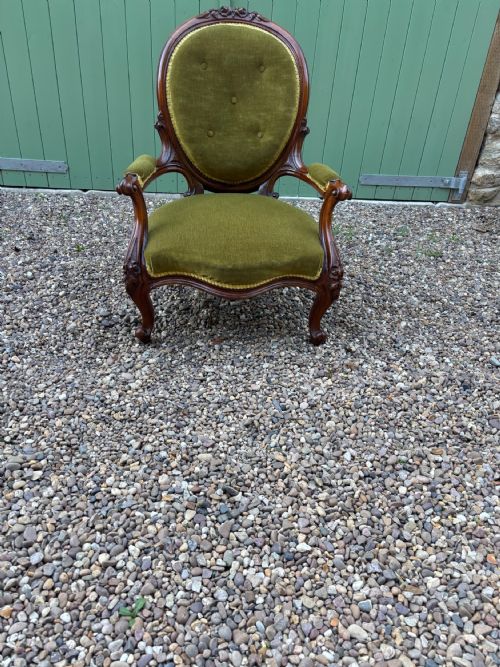
Quality rests upon the crispness of hand-carved details in wooden frames, the integrity of structural joinery, and the retention of original surface patination. Pieces showing refined proportions, balanced carving, and substantial timber sections distinguish themselves from simpler or later interpretations.
The standard of upholstery materials and the execution of traditional stuffing methods influence the finish of upholstered seating. Original or period-appropriate coverings like tan leather and tapestry add considerable integrity compared to unsympathetic modern replacements.
Maple and Co·Jacob-Desmalter
The Period Armchairs Glossary
- Carver
- An armchair designed with arms, traditionally placed at the heads of a dining table alongside matching single chairs. These often share the stylistic traits of the accompanying dining set.
- Fauteuil
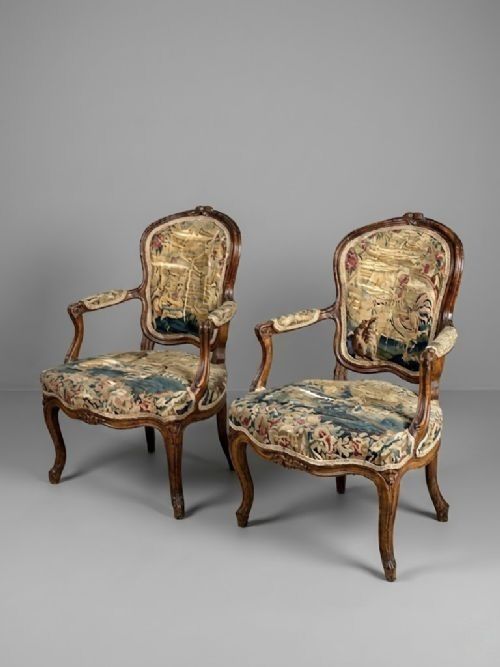
- An open-armed upholstered armchair originating in France, typically featuring an exposed wooden frame of carved or giltwood. The arms usually have upholstered pads for comfort.
- Bergère
- An enclosed armchair with upholstered back and sides, often featuring a cane panel beneath the cushions. This form developed in France during the eighteenth century.
- Wainscot chair
- An early wooden armchair constructed primarily from oak using panel-back joinery. These heavy seats date back to the seventeenth century and earlier.
- Library chair
- A heavy, substantial armchair designed for reading rooms, frequently upholstered in leather. These often feature low backs and broad arms for comfort.
Period Armchairs: Frequently Asked Questions
How do I identify a Georgian armchair?
Georgian armchairs typically display dense mahogany or yew wood construction with characteristic stylistic markers such as shield backs or carved scroll arms. Proportions remain generous, often seen in library or Gainsborough types.
Secondary indicators include traditional upholstery in leather or patterned fabric, reflecting the domestic fashions of the eighteenth century. Examining the joinery and timber grain helps confirm the period of origin.
What is the difference between a carver and a dining chair?
Carvers feature supportive wooden arms built into the frame, designed specifically for placement at the ends of a dining table. Single dining chairs lack arms to allow closer positioning and easier seating.
Both forms often share identical decorative motifs, wood types, and leg styles when produced as part of a matching antique set.
How should I care for antique leather upholstery?
Antique leather requires gentle cleaning using specialised conditioners to maintain flexibility and prevent drying out over time. Avoid placing leather chairs in direct sunlight or near heat sources to preserve the original material.
Regular dusting with a soft cloth protects the surface finish and retains the natural patina accumulated across decades of use.
Are French armchairs different from English styles?
French armchairs such as giltwood fauteuils and bergères emphasise ornate carved decoration, painted finishes, and exposed wooden frames with curved cabriole legs. English equivalents like library chairs tend to prioritize heavier proportions, deep leather upholstery, and rectilinear forms.
Both traditions utilise high-quality hardwoods, but continental pieces frequently showcase elaborate gilding and tapestry covers.