

Pendant Lighting Fixture
These pendant lighting fixture options illuminate a room from above, bringing period metalwork and glass together to anchor high ceilings and grand spaces.
Pendant Lighting Fixture
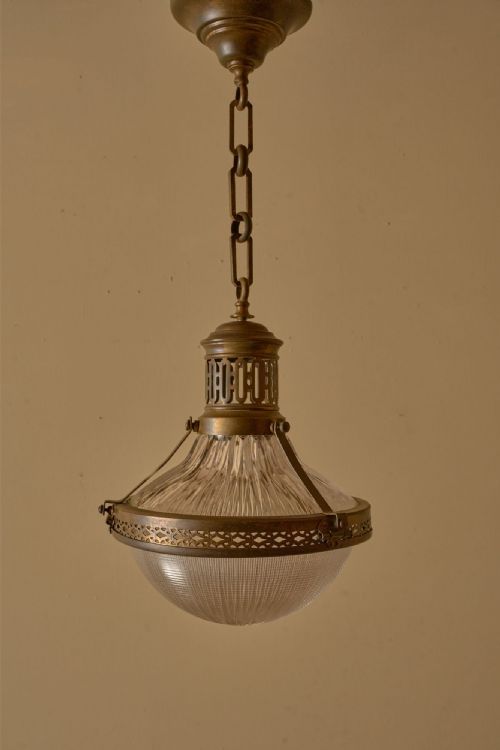
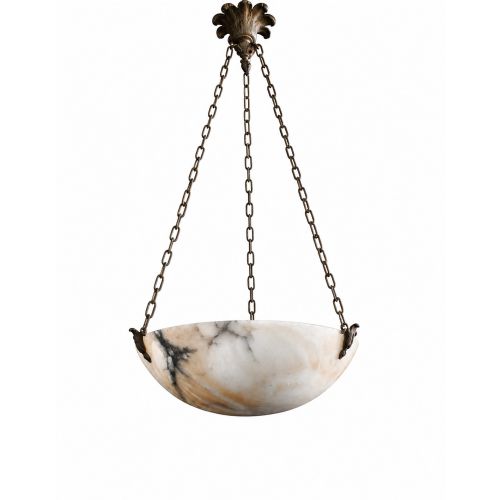
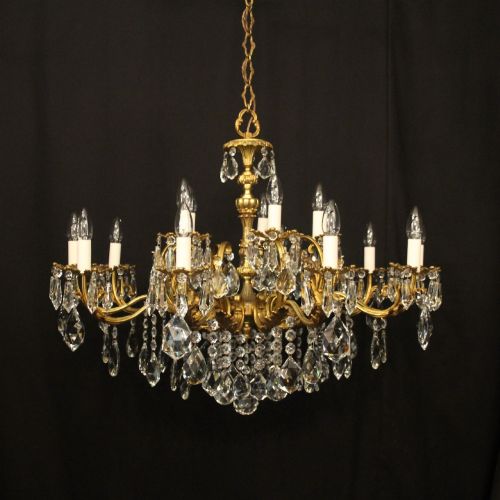
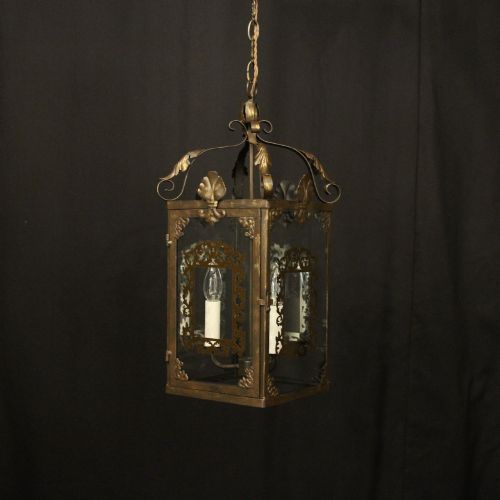
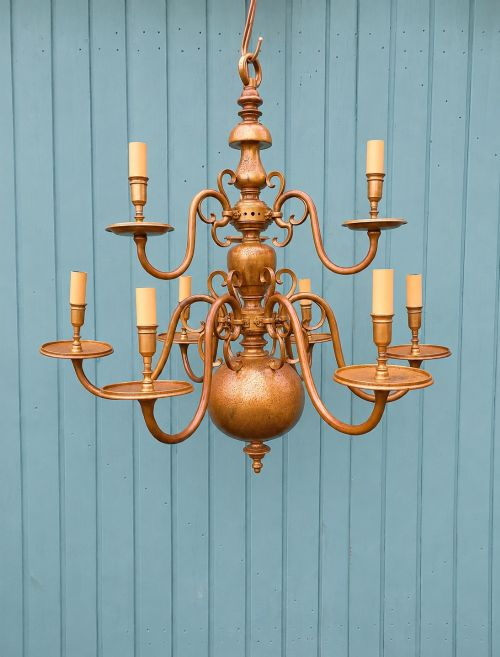
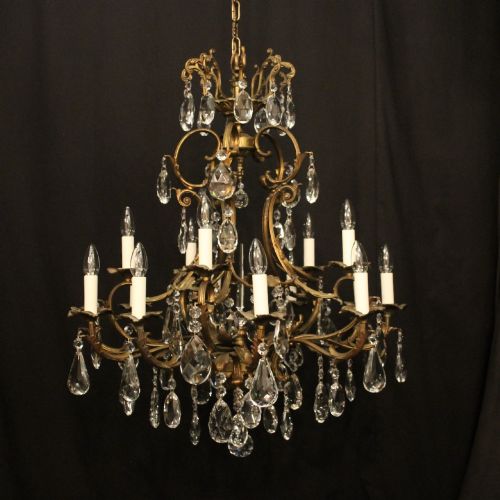
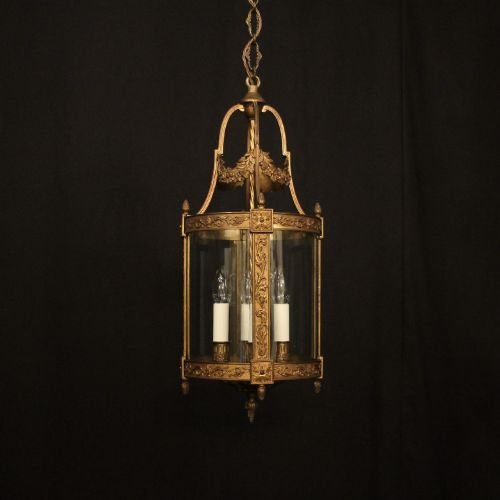
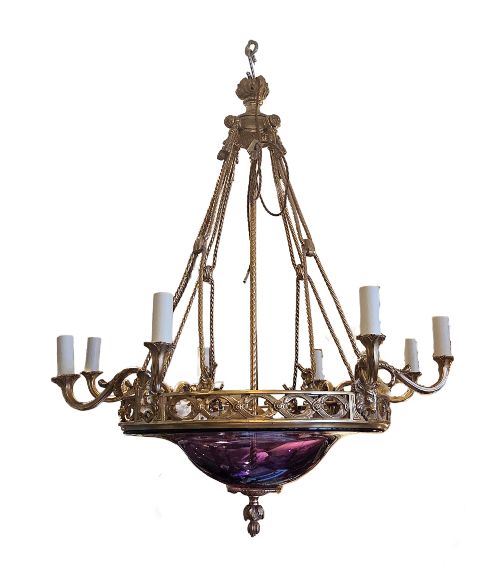
A pendant lighting fixture suspends a light source from the ceiling, taking forms such as multi-armed chandeliers, hall lanterns, and single glass bowls. When you search for a pendant lighting fixture, you encounter hanging pieces designed to cast downward illumination across a room or hallway.
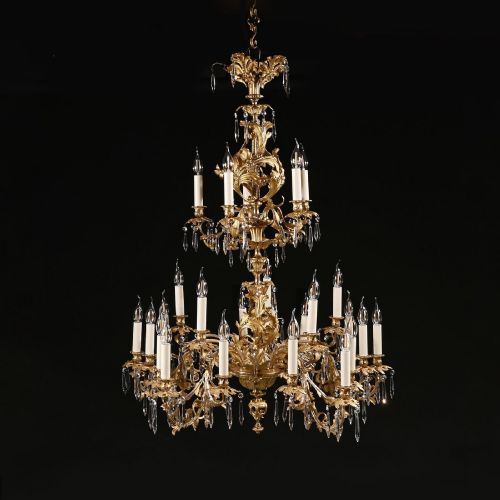
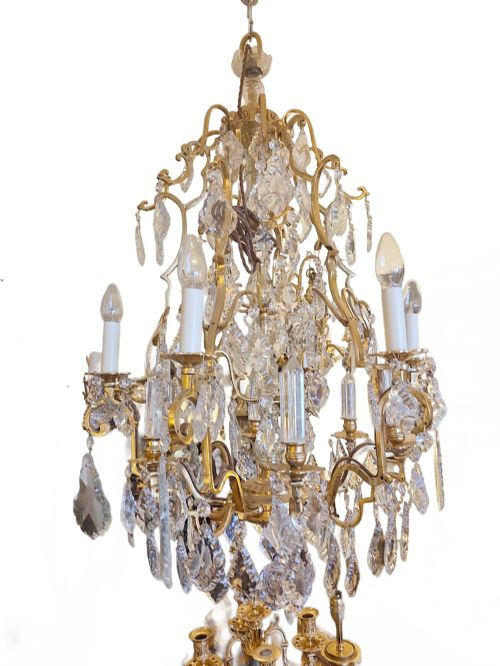
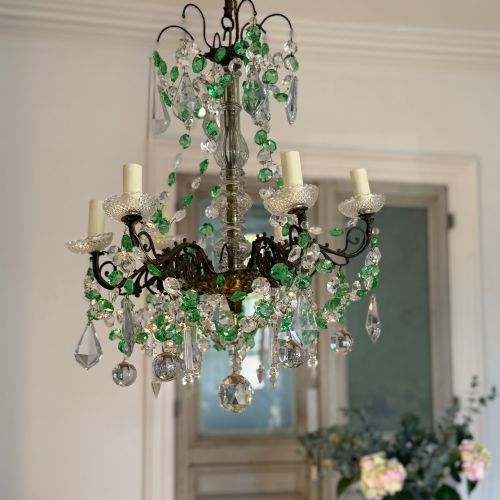
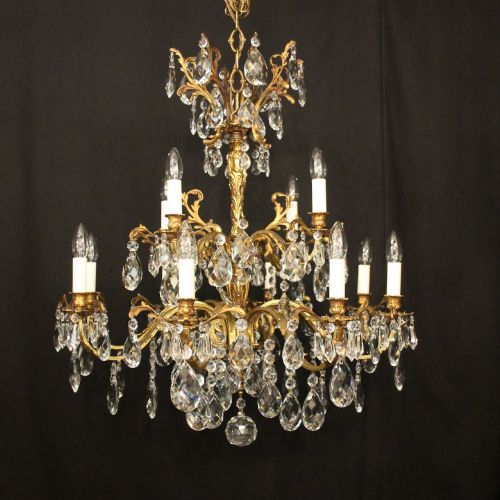
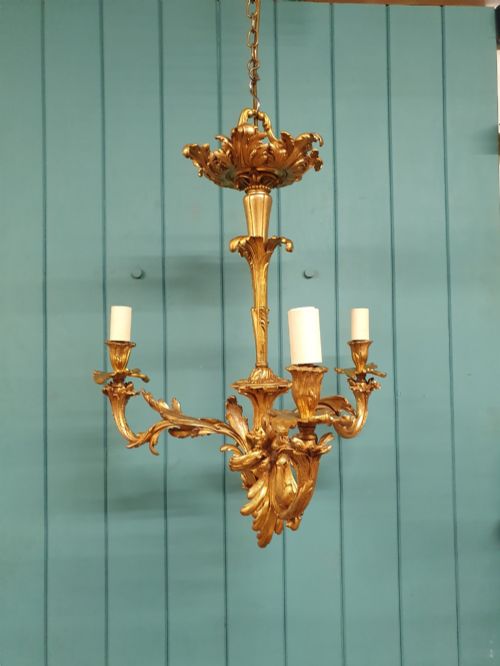
The selections available here span from the 19th century into the early 20th century, drawing heavily on French chateau, Art Deco, and Gothic Revival aesthetics. French gilded bronze and crystal chandeliers dominate the offerings, alongside heavy bronze lanterns and copper Arts and Crafts designs.
Buyers will find everything from diminutive cut glass spike chandeliers measuring under a foot to towering pair lanterns and sixteen-light Florentine fixtures. These pieces function equally well as central illumination in reception rooms or as welcoming focal points in entrance halls.
Materials and construction
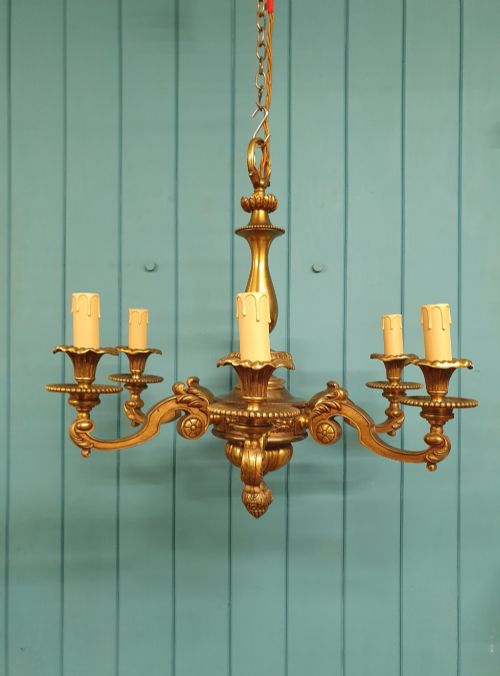
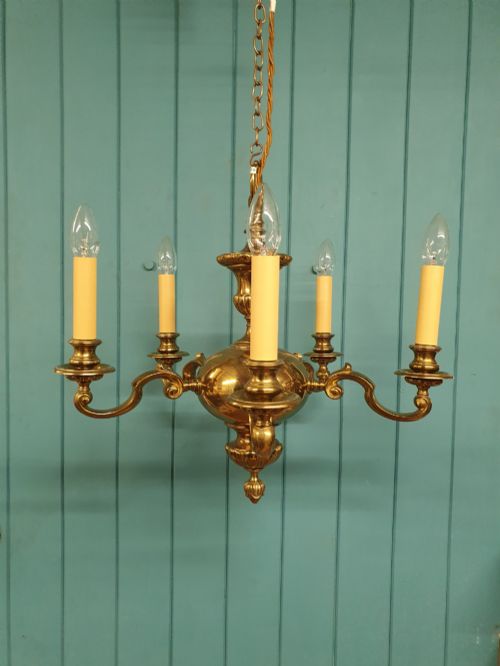
Metal forms the structural backbone of these pieces, utilising cast bronze, gilt brass, ormolu, copper, and iron. Artisans shaped these metals through casting, hammering, and planishing before applying surface gilding or patination.
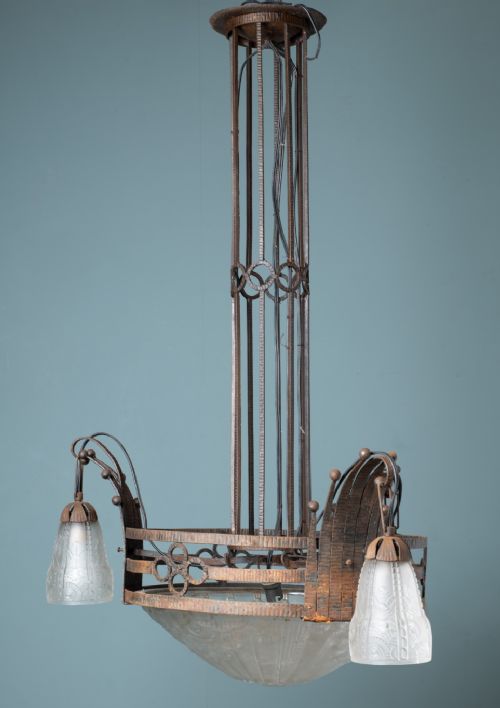
Glass and crystal elements transform the light output through cutting, moulding, and dropping. Cut crystal spikes, pink glass drops, leaded stained-glass panels, and moulded Art Deco glass shades integrate directly into the metal frameworks.
Pendant Lighting Fixture Retail Price Guide 2026
Typical asking prices for pendant lighting fixture among the pieces listed under this phrase on Sellingantiques today, from the lower quarter to the upper quarter. They describe what is for sale here now, not the wider market.
One determined artisan spent hours hand-stitching a vellum lantern so thoroughly it survived a century of dark hallways.
Distinctions in craftsmanship
The calibre of metal casting and chasing sets the baseline for quality, separating crisp relief work on rams' heads or acanthus leaves from soft, muddy casting details. Heavier bronze and thick gilt brass provide structural integrity that lighter pressed metals cannot match.
Crystal and glass components determine the brilliance of the piece, with high-lead cut crystal refracting light sharply compared to standard pressed glass. The completeness of original drops, prisms, and wiring mounts dictates whether a piece retains its intended visual rhythm.
Charles Schneider
The Pendant Lighting Fixture Glossary
- Chandelier
- A branched ornamental light fixture suspended from the ceiling. These hold multiple candles or electric bulbs across tiers of arms.
- Gilt bronze
- Bronze metal coated with a thin layer of gold leaf or gold amalgam. This technique prevents oxidation and provides a rich metallic lustre.
- Plafonnier
- A ceiling-mounted bowl light or flush fixture. Popular in Art Deco interiors, these direct light upward and outward through moulded glass.
- Tent and waterfall
- A chandelier configuration where strings of crystal beads form an upper tent shape above a cascading waterfall of further crystals.
- Planished
- A metalworking finish achieved by hammering the surface with a small-faced tool. This creates regular, subtle facets across copper or brass panels.
Pendant Lighting Fixture: Frequently Asked Questions
What is the difference between a chandelier and a lantern?
A chandelier uses an open framework of branching arms designed to hold multiple exposed or shade-diffused light sources. They project light freely across a wider area.
A lantern encloses the light source within glazed panels or a metal cage, protecting the flame or bulb and directing the beam primarily downward or outward.
How do I date a hanging light fixture?
Dating relies on stylistic markers, such as the geometric lines of Art Deco pieces from the 1920s or the heavy Gothic Revival casting from the early 20th century. Material choices, such as planished copper for Arts and Crafts or fire-gilt bronze for 19th-century French work, provide further clues.
Construction methods also assist, as hand-cut crystal spikes and pinned brass joints point firmly to earlier manufacturing periods before mass production.
Can these antique fixtures be used with modern bulbs?
Most antique fixtures accept standard modern candle or pygmy bulbs, provided the lamp holders match current sizing standards. Many pieces have already been rewired for contemporary electrical circuits.
Low-output LED bulbs work exceptionally well because they generate minimal heat, protecting fragile historic silk cords, glass drops, and aged lacquered finishes.