



Pedestal Board Table
These pedestal board table pieces combine utility and display, offering solid timber construction and integrated playing surfaces that suit any collector.
Pedestal Board Table
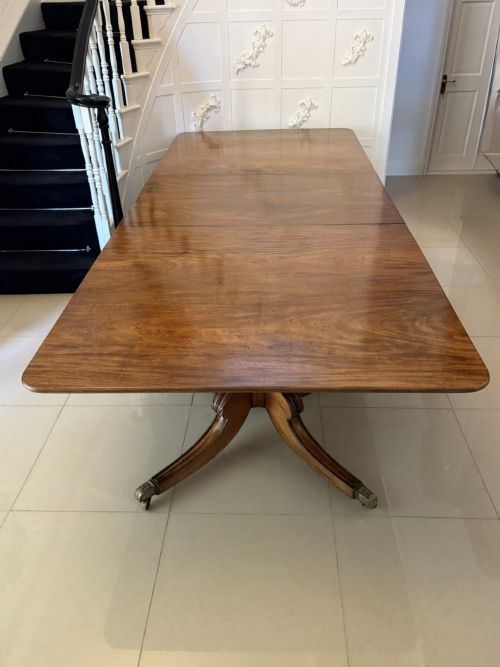
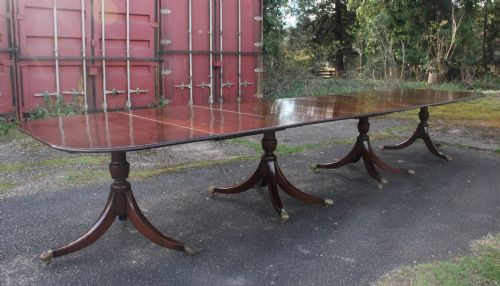
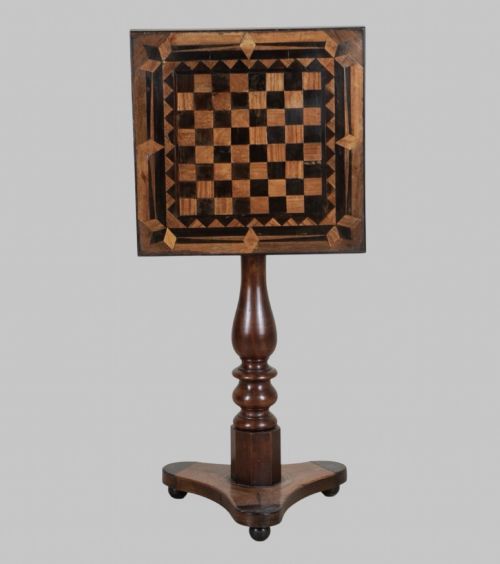
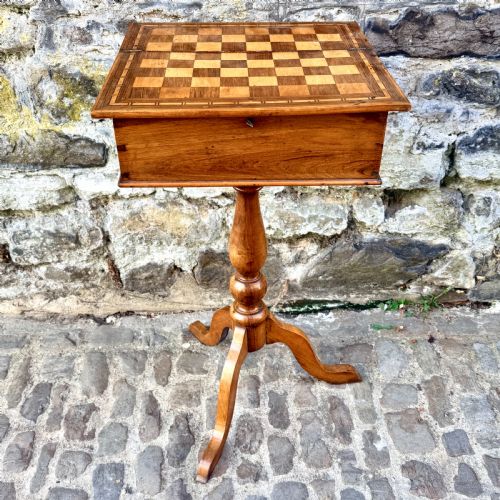
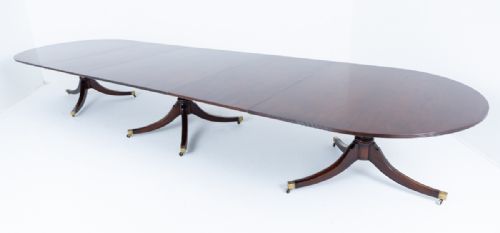
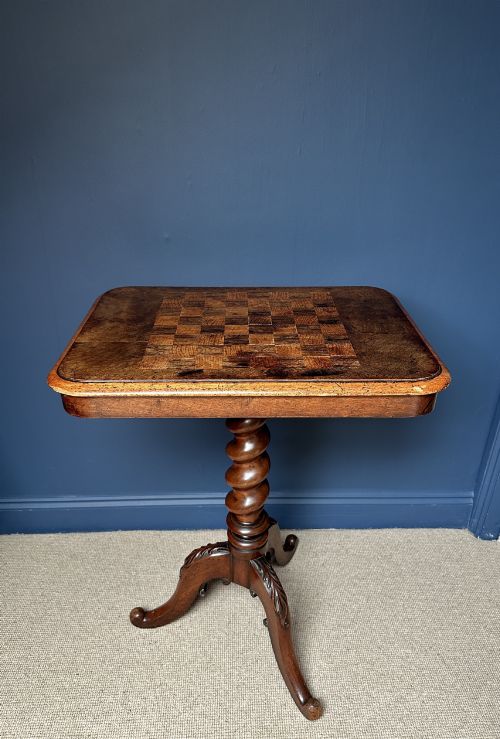
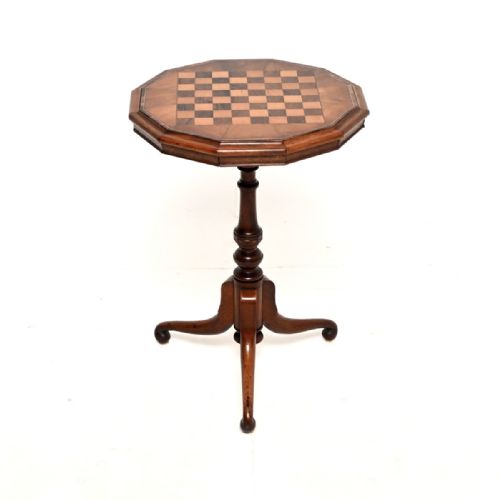
A pedestal board table combines a central column support with a tabletop designed for specific activities like chess, games, or dining, spanning periods from the Georgian era through to the early twentieth century. You will most frequently encounter mahogany and rosewood dining tables alongside smaller walnut and inlaid occasional chess tables.
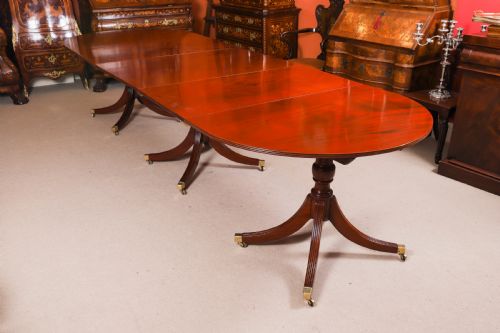
The form bridges formal dining furniture and interactive parlour pieces, utilising twin or multiple pedestals for larger extending formats and single columns for smaller occasional or games surfaces. These pieces draw on Regency, Victorian, and French Provincial design traditions.
Materials and construction methods
Cabinet makers utilised dense hardwoods such as mahogany, walnut, and rosewood for structural stability and rich grain figures, often enhancing surfaces with boxwood, satinwood, and inlaid wood veneers. Brass mounts and ebonised wood details provide structural accents and decorative contrast.
Joinery relies on solid timber turning for the central pedestals and precise marquetry for the integrated board tops, combining heavy pillar supports with balancing tripod or platform feet.
Listings feature mahogany, rosewood, and walnut across Georgian, Regency, and Victorian periods.
Distinctions in quality
The distinction between ordinary and exceptional examples rests in the selection of timber veneers, such as figured walnut or rosewood, and the precision of the inlaid chequer boards. Superior pieces exhibit crisp penwork, balanced proportions across multiple pedestals, and harmonious wood selection rather than uniform staining.
Execution of the turned column and the stability of the extending mechanisms separate master workshops from provincial joinery, determining whether a large dining format or a small occasional table retains its structural integrity.
George Merrifield·Holland And Sons
The Pedestal Board Table Glossary
- Pedestal
- A central vertical column supporting a tabletop, often resting on branching feet. This design allows maximum legroom compared to four-legged tables.
- Marquetry
- The art of applying pieces of veneer to a structure to form decorative patterns. This technique creates the integrated playing surfaces found on many board tables.
- Penwork
- A decorative technique using ink on wood to create fine engraved designs and borders. It appears on Regency games surfaces to outline intricate motifs.
- Regency
- A British design period spanning the early nineteenth century defined by classical restraint and exotic wood use. Pieces from this era often feature brass mounts and rosewood veneers.
- Twin pedestal
- A table construction utilising two distinct central columns to support a longer top. This layout provides stability for extending dining formats.
Pedestal Board Table: Frequently Asked Questions
How do I identify a Regency period table?
Regency tables typically feature dark exotic timbers like rosewood or mahogany, often accented with brass mounts, satinwood inlay, or ebonised details. The legs frequently terminate in brass paw castors or rest upon platform bases.
Proportions remain classical and restrained, reflecting design trends from the early nineteenth century.
Were these tables used for dining?
The larger multi-pedestal examples served primarily as dining tables, with leaf extensions to accommodate numerous guests. Smaller single-pillar versions were designed for the parlour as occasional or games tables.
Many incorporate inlaid chess or board surfaces intended for Victorian and Georgian leisure activities.
How should I care for rosewood and mahogany?
Maintain these dense hardwoods by keeping them away from direct sunlight and rapid temperature fluctuations, which can dry out the timber and veneers. Dust regularly with a dry cloth and apply occasional appropriate wax feeds to preserve the finish.
Avoid placing damp items directly onto the polished wood surfaces.