



Pedestal Base Sideboard
A pedestal base sideboard provides substantial dining room storage and surface space while anchoring a room with traditional timber craftsmanship.
Pedestal Base Sideboard
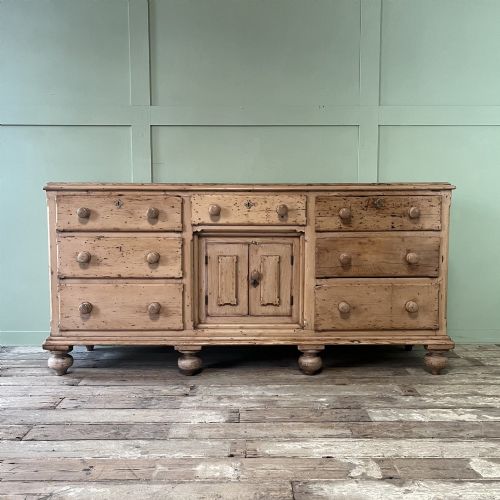
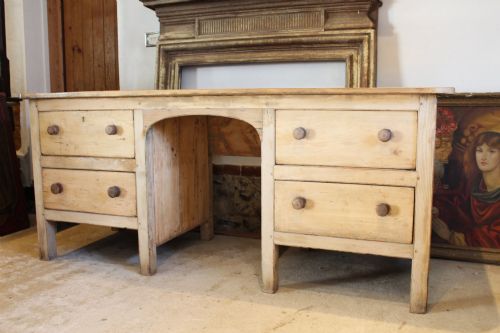
A pedestal base sideboard is a large furniture form designed primarily for dining rooms to store tableware, linen, and serving dishes. These items range from Georgian country pieces to grand Victorian iterations, offering generous proportions and distinct architectural presence.
Buyers are most likely to encounter Victorian and Georgian examples on this page, constructed from rich timbers such as mahogany and pine. The forms often incorporate twin pedestals flanking a central section, occasionally featuring carved details or mirror backs.
Beyond standard sideboards, the selection encompasses related serving furniture and storage pieces reflecting the domestic requirements of the nineteenth century. Each item combines utilitarian storage with period aesthetic values, from classical revival to plain country vernacular.
How they were made
Makers constructed these sideboards using solid timbers such as mahogany, oak, and pine, frequently applying flame mahogany veneer to primary surfaces for visual depth. Secondary woods like sycamore appear in structural or decorative elements.
Construction techniques rely on traditional joinery methods suited to heavy domestic furniture, complemented by brass hardware such as handles and mounts. Carved ornamentation, geometric mouldings, and occasional painted finishes add surface texture to the structural woodwork.
The inventory records functional variations including mirror-back chiffoniers, twin pedestal sideboards, and painted kitchen dressers.
What varies in quality
The standard of a pedestal base sideboard depends on the selection of timber and the precision of the joinery rather than surface decoration alone. Superior examples display carefully matched veneers and robust structural framing that withstands heavy daily use.
Design ambition separates basic utility pieces from high-status furniture, evident in the depth of carving, the quality of brass fittings, and the harmony of the overall proportions. Finer items integrate architectural motifs cleanly into the pedestal design.
The Pedestal Base Sideboard Glossary
- Pedestal base sideboard
- A large storage item featuring flanking cupboards or pillars supporting a central board or serving surface. This configuration defines the primary heavy storage furniture of the nineteenth-century dining room.
- Flame mahogany veneer
- A thin slice of timber cut from where a branch joins the trunk to create a distinctive flickering grain pattern. Cabinet makers applied this to prominent surfaces for decorative effect.
- Breakfront
- A cabinet facade where the central section projects forward from the flanking pedestals or wings. This arrangement creates visual depth and varied storage volumes.
- Chiffonier
- A compact sideboard or low cupboard often fitted with shelves or a mirror back. These pieces served similar functions to larger sideboards in more restricted spaces.
Pedestal Base Sideboard: Frequently Asked Questions
Where should I place a pedestal base sideboard?
These large pieces suit dining rooms, large hallways, or spacious living areas where they provide both surface display and substantial enclosed storage. Their depth requires adequate floor space to allow doors and drawers to open fully without obstruction.
Positioning them against a blank wall lets the timber grain and architectural pedestals become a focal point of the room. Ensure the surrounding floor is level to support the substantial weight of solid wood construction.
What is the difference between Georgian and Victorian sideboards?
Georgian pieces generally display more restrained classical proportions and lighter framing reflecting earlier eighteenth-century design principles. Timbers like pine and mahogany were handled with an emphasis on simple elegance.
Victorian iterations tend to be heavier and more ornate, incorporating revival styles, deep carving, and prominent pedestals. These later items reflect industrial production capabilities and changing domestic fashions.
How can I identify pitch pine furniture?
Pitch pine exhibits a strong, resinous grain pattern with noticeable contrasting growth rings and a warm amber hue. Makers utilised this durable softwood extensively during the Victorian period for robust utilitarian furniture.
The wood is noticeably heavier and harder than standard white pine, giving the finished sideboard greater structural resilience. Over time, exposure to light deepens the natural colour tones of the timber.