




Pearlware Ceramic Bowl
A pearlware ceramic bowl brings the crisp, pale blue-white surface of Georgian earthenware straight to the table.
Pearlware Ceramic Bowl
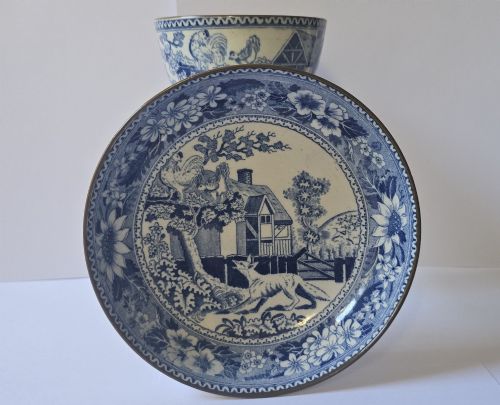
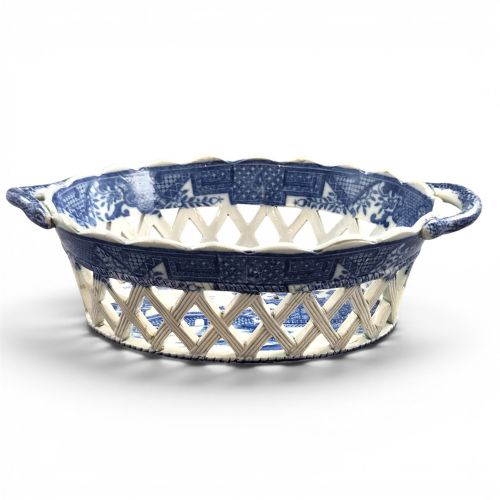
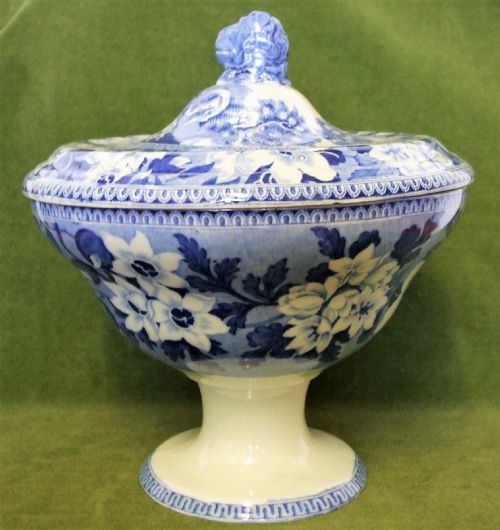
A pearlware ceramic bowl is a piece of refined earthenware developed during the Georgian and Regency periods. These vessels span various domestic and decorative forms including comports, tea bowls, and larger table receptacles.
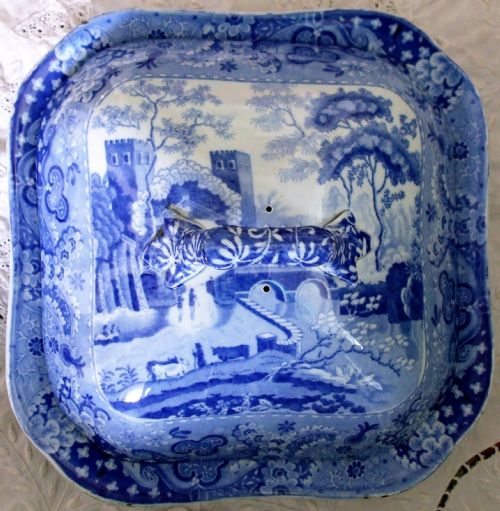
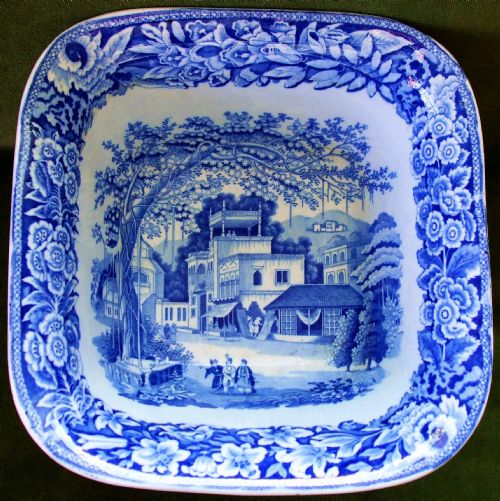
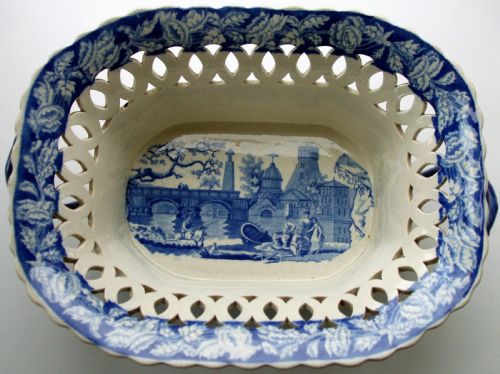
The versions most commonly met on this page date from the late eighteenth century through to the early nineteenth century. Makers applied cobalt blue transfer-printed patterns onto the distinctive pearl glaze to create striking topographical and pictorial scenes.
Manufacture and materials
Potters shaped these vessels from refined earthenware clays before applying a thin lead glaze containing a small amount of cobalt. This addition counteracted the natural yellowish tint of standard earthenware to produce a characteristic pale bluish-white ground.
Decoration relied on cobalt blue transfer printing, a technique where engraved copper plates transferred intricate pictorial designs onto the ceramic surface before firing. This allowed workshops to produce detailed patterns such as castle scenes and river views with consistent precision.
Pearlware Ceramic Bowl Retail Price Guide 2026
Typical asking prices for pearlware ceramic bowl among the pieces listed under this phrase on Sellingantiques today, from the lower quarter to the upper quarter. They describe what is for sale here now, not the wider market.
Listings feature earthenware materials alongside cobalt glaze decoration spanning the Georgian and Regency periods.
Judging quality and execution
Quality rests in the clarity of the cobalt transfer print and the evenness of the pearl glaze across the body. Superior examples display sharp lines in complex patterns like river scenes and architectural motifs without blurring or pooling.
The refinement of the ceramic body itself separates standard utilitarian vessels from finer tablewares. Thinner potting and well-balanced forms indicate greater skill in the manufacturing workshop.
Spode·J. & R. Clews·J. & R. Riley·John Rogers & Son·Sewell
The Pearlware Ceramic Bowl Glossary
- Pearlware
- A refined earthenware developed by Josiah Wedgwood and adopted widely by other potteries. It utilises a bluish-tinted glaze to mimic the appearance of Chinese porcelain.
- Transfer printing
- A decoration method using an engraved copper plate to transfer an ink design onto paper, which is then pressed onto the unglazed or bisque ceramic body.
- Comport
- A shallow decorative dish raised on a foot or pedestal, used for serving fruit or sweetmeats during dessert courses in the Georgian period.
- Tea bowl
- A small, handleless drinking vessel designed for hot tea before the widespread adoption of handled cups in Western ceramics.
Pearlware Ceramic Bowl: Frequently Asked Questions
What is pearlware?
Pearlware is a refined earthenware body developed in Britain during the late eighteenth century. It was created to rival Chinese export porcelain by using a glaze with a subtle blue tint.
The material served as the primary canvas for vibrant blue and white transfer-printed domestic wares throughout the Georgian and Regency eras.
How do I date these bowls?
Dating relies on stylistic clues, the tone of the pearl glaze, and identifiable maker marks stamped or printed underneath. Pieces from the transition into the nineteenth century often feature distinct bluish pooling in recessed areas.
Transfer patterns depicting specific historical scenes or architectural subjects also help narrow down the production decade.
How were these used?
These ceramics formed part of formal dining and tea services in Georgian households. Smaller vessels served tea, while larger bowls and comports held fruit or decorative arrangements.
They bridged the gap between everyday utility and refined table display for the middle and upper classes.
Are these pieces fragile?
As earthenware, these items require gentle handling to prevent chipping along the rim and base. The ceramic body is less dense than porcelain.
Hand washing in warm water preserves the historic glaze and delicate transfer-printed decoration over time.