


Patio Bistro Table
A patio bistro table brings functional charm to small outdoor spaces, offering enduring metal construction and classic surfaces designed for daily use.
Patio Bistro Table
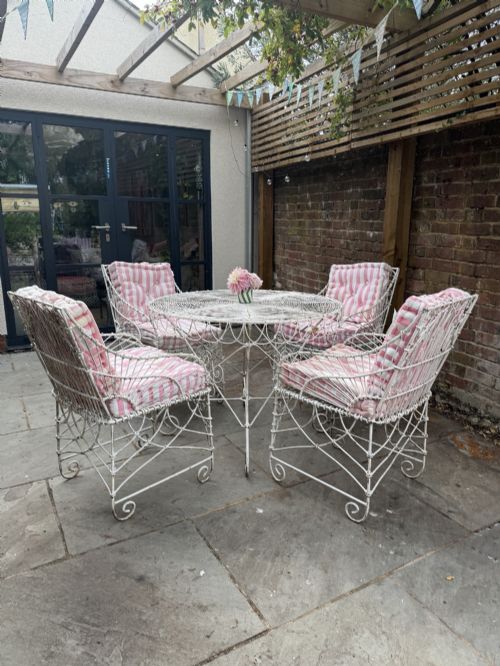
A patio bistro table serves as a compact surface for outdoor dining and seating, originating from European café culture and nineteenth-century domestic gardens. These items span periods from the Victorian era through the nineteen-twenties, incorporating styles such as French Provincial and Victorian wirework.
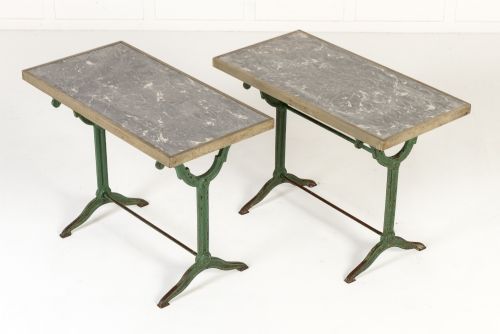
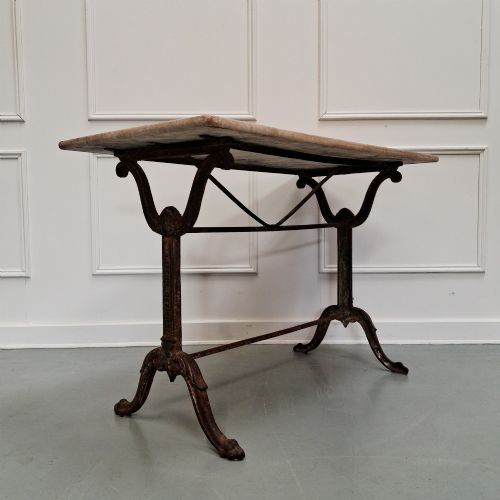
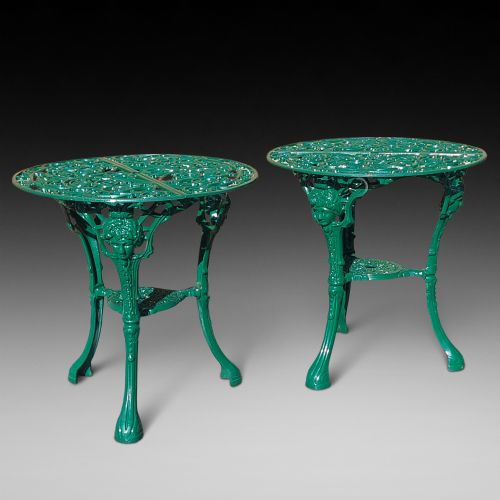
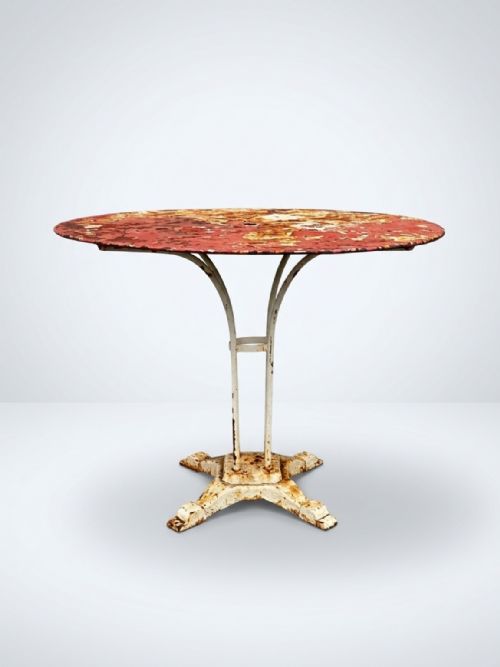
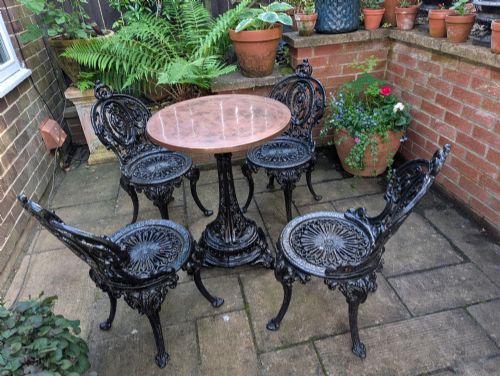
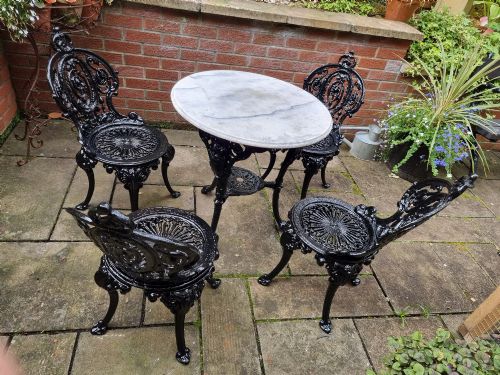
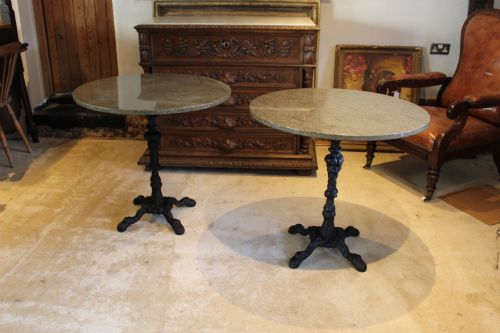
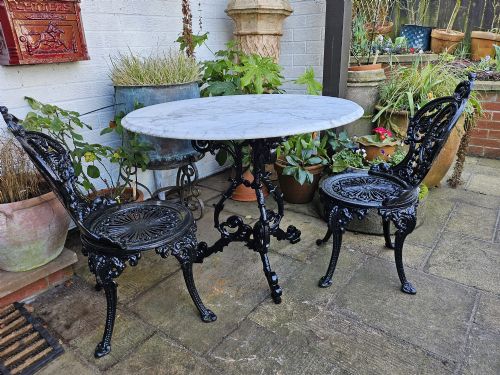
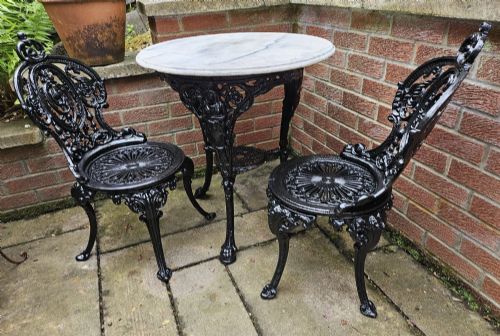
The version most commonly encountered on this page is the cast-iron table, frequently paired with a marble top or retaining its original green paint. Pieces range from simple round gueridon designs to substantial pub tables and folding garden variants.
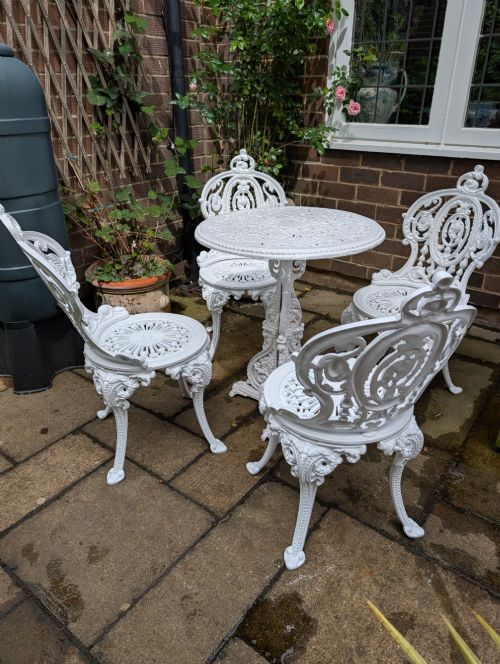
Makers and designers like Christopher Dresser appear alongside French and Spanish examples, demonstrating the wide geographic spread of these outdoor furnishings. Buyers find both individual side tables and complete sets that include matching chairs.
What varies in quality
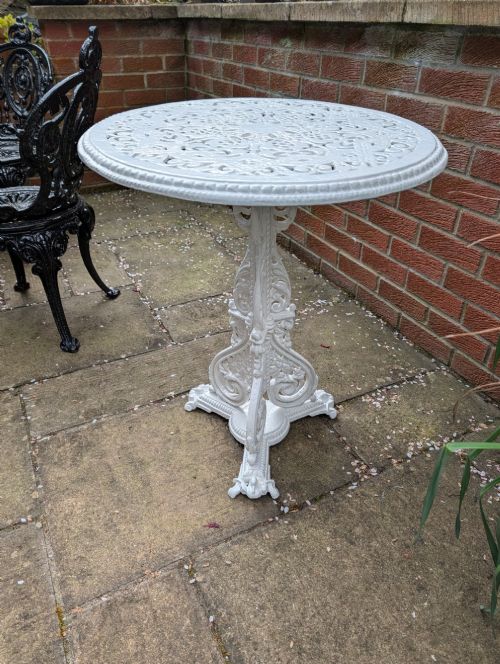
The refinement of the cast-iron base separates standard utilitarian pieces from exceptional designs. Crisp moulding detail on the legs and substantive weight indicate superior foundry output.
The choice and thickness of the top material define the overall standard of the table. Solid marble or stone inserts demonstrate higher craftsmanship compared to simpler timber surfaces, while retaining original painted finishes adds considerable merit.
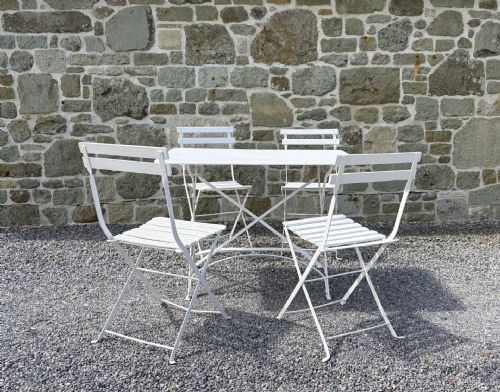
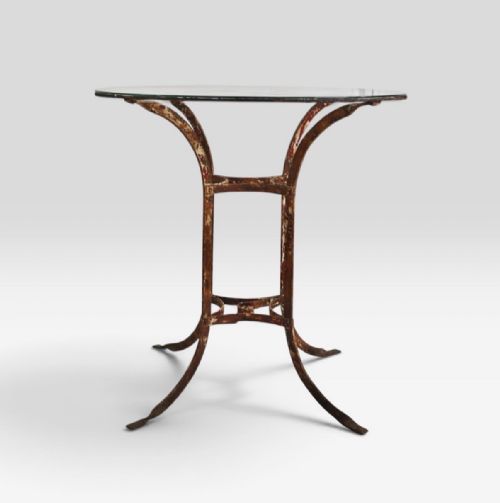
Listings feature cast iron, wrought iron, and wirework structures combined with marble, stone, zinc, and wood tops across the nineteenth and early twentieth centuries.
Christopher Dresser
The Patio Bistro Table Glossary
- Gueridon
- A small round table, typically supported by a central column or three legs. This French form frequently appears in nineteenth-century garden furniture.
- Strapp work
- Metal strapwork formed into decorative intersecting patterns. Found on bases and supports of Victorian outdoor tables.
- Britannia table
- A traditional pub table design featuring a heavy cast-iron pedestal base and a round wooden top. Often utilised in nineteenth-century commercial and domestic settings.
- Wirework
- Furniture constructed from bent metal wire, popular during the Victorian period. This technique creates lightweight yet durable open frames for garden seating and tables.
Patio Bistro Table: Frequently Asked Questions
How do I care for a cast iron table?
Cast iron requires minimal maintenance beyond regular cleaning with mild soap and water to remove debris. Applying protective wax or maintaining the paint layer prevents rust accumulation in damp weather.
Storing the table undercover during severe winter months protects the structural integrity of the metal and preserves any painted finish.
Are marble tops original to these tables?
Many nineteenth-century bistro and garden tables were manufactured specifically with marble or stone inserts to provide a durable, wipe-clean surface. Replacement tops do occur over time due to accidental breakage in outdoor environments.
Inspecting the fit of the top within the cast iron rim helps determine if the marble is contemporary to the base casting.
Can I leave these tables outside all year?
Metal and stone construction handles outdoor environments well, but prolonged exposure to moisture can cause iron bases to oxidise. Wooden components and certain painted surfaces benefit from seasonal shelter.
Moving tables into a shed or greenhouse during freezing winter conditions prevents frost damage to stone tops and mortar joints.
What is the difference between bistro and garden tables?
Bistro tables typically originate from French café traditions, featuring compact round tops designed for small seating areas. Garden tables encompass a broader range of dining sets and larger formats intended for domestic lawns.
Both categories utilise similar cast iron and wirework techniques from the Victorian period onwards.