



Patinated Copper Vessel
A patinated copper vessel brings rich, dark metallic depth and history into a room, shaped for fireside logs, plants, or ritual use.
Patinated Copper Vessel
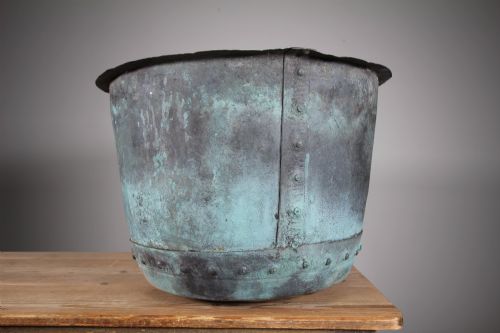
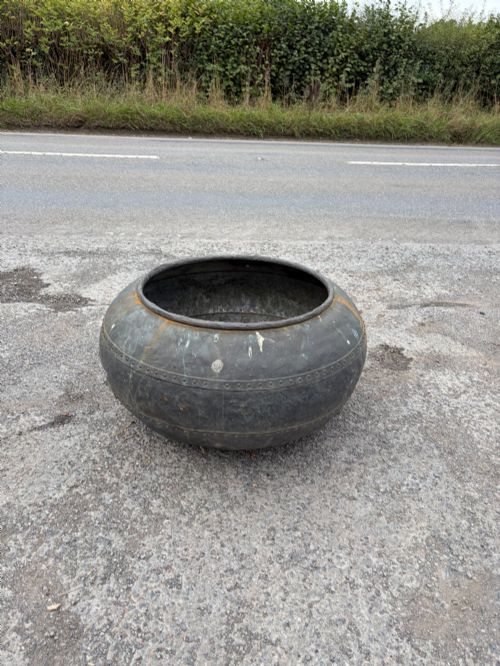
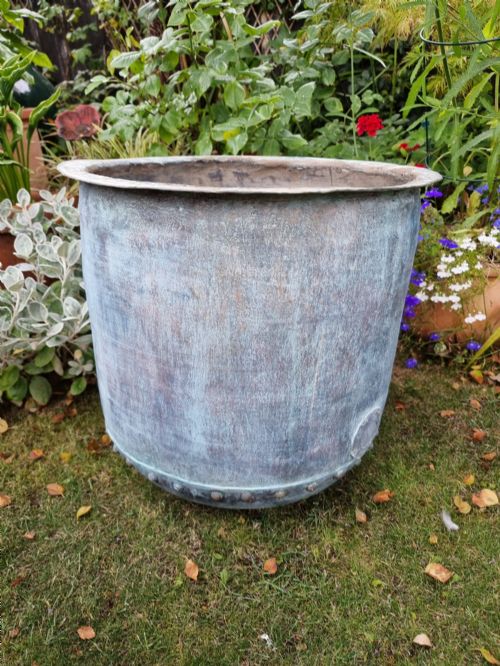
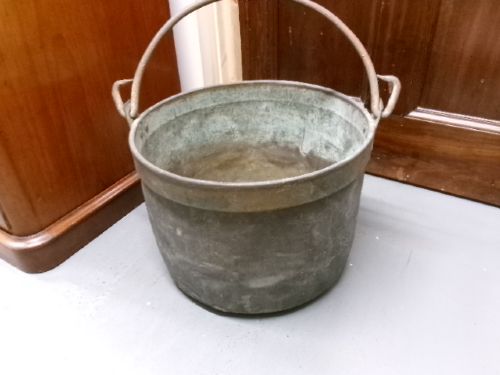
When you search for a patinated copper vessel, you find heavy utilitarian and decorative items shaped for practical domestic or garden use. These range from substantial log bins and garden display pots to swing-handled cauldrons and ritual vessels.
The versions most likely to meet you on this page date from the nineteenth century, including Victorian utility pieces and French country garden containers. Many double as log buckets or planters, designed to hold weight and display aged surfaces.
Origins stretch from European country workshops to Persian traditions, incorporating engraved bronze alongside heavier hammered copper bodies. Each object carries the marks of its original function, whether beside an eighteenth-century hearth or on a nineteenth-century deck.
How they were made
Makers shaped these vessels primarily from copper, often combining brass handles, iron swing bail attachments, or riveted seams for structural strength. Metalworkers hammered sheets into deep pots, log bins, and cauldrons designed to withstand daily physical demands.
Surface decoration appears on specific ritual pieces through detailed engraving on bronze, while utility items rely on the natural ageing of metal and hand-riveted construction. Tinned interiors occasionally protected contents or food from copper contact, though exterior oxidation created the signature patination.
Patinated Copper Vessel Retail Price Guide 2026
Typical asking prices for patinated copper vessel among the pieces listed under this phrase on Sellingantiques today, from the lower quarter to the upper quarter. They describe what is for sale here now, not the wider market.
Some nineteenth-century ship lanterns carry the unmistakable salt-air ghostliness of a life spent swaying on stormy maritime decks.
What varies in quality
Quality in these vessels rests upon the weight of the metal gauge and the integrity of the original construction. Heavier riveted walls and substantial swing handles indicate robust workshop production intended for heavy loads like logs or garden earth.
The depth and character of the surface patination separate standard items from superior examples. Natural oxidation built up over centuries creates varied tones across copper, brass, and bronze, showing genuine age rather than uniform chemical treatment.
The Patinated Copper Vessel Glossary
- Patination
- The natural surface oxidation and colour change that develops on metal over decades or centuries of exposure to air and handling. This aged skin gives older copper and bronze its distinctive dark tones.
- Cauldron
- A large round pot or kettle, typically featuring a swing handle for lifting over a fire or hearth. Victorian examples often paired copper bodies with brass mounts.
- Log bin
- A deep container designed to hold firewood beside a fireplace. These items prioritize thick metal walls and stable bases to carry heavy timber.
- Riveted
- A method of joining metal plates by inserting a metal pin and hammering the end flat. This technique provides durable construction on large nineteenth-century pots and buckets.
Patinated Copper Vessel: Frequently Asked Questions
What were copper vessels used for?
These vessels served practical roles carrying water, holding fireplace logs, or displaying garden plants. Many nineteenth-century examples worked hard in domestic or maritime settings.
Heavier pots and cauldrons managed daily household chores, while specialised Persian pieces served ceremonial functions involving liquids.
How do I clean patinated copper?
Most collectors prefer to leave the dark oxidation untouched because it records the age of the metal. Aggressive polishing removes the historic surface that defines the piece.
Light dusting with a dry cloth keeps the surface safe without stripping away the character built up over centuries.
Are these pots waterproof?
Many nineteenth-century copper and tinned vessels hold water well, making them suitable for garden planters and display pots. Riveted seams and soldered joints usually remain tight after generations of use.
It is wise to check individual pieces for old repairs or hairline splits before using them directly on delicate interior surfaces.
How do I date an antique copper pot?
Dating relies on manufacturing techniques like hand-riveting, maker methods, and the style of the handles or mounts. Nineteenth-century pieces often display heavy gauge copper with distinct patination.
Comparing the rim construction and joining methods against documented regional styles helps narrow down the period of origin.