




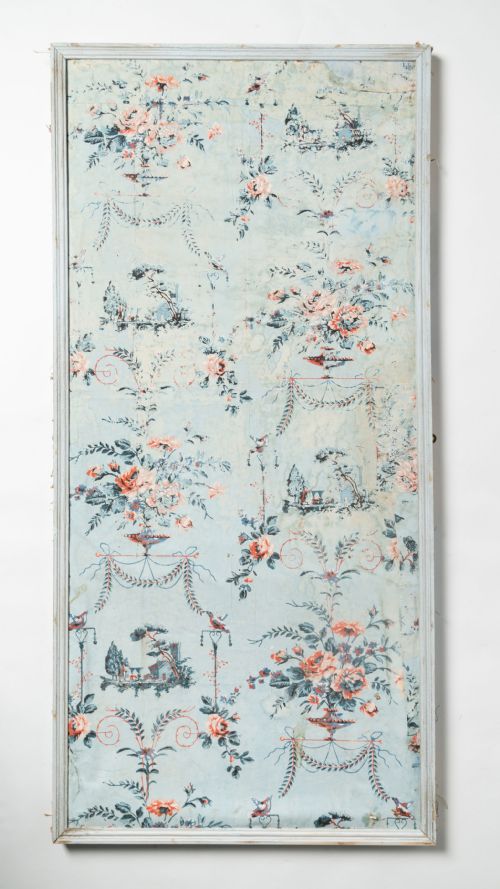


Pastoral Art Print
A pastoral art print brings rural quiet and agrarian scenes into a room through engraved or printed interpretations of country life.
Pastoral Art Print
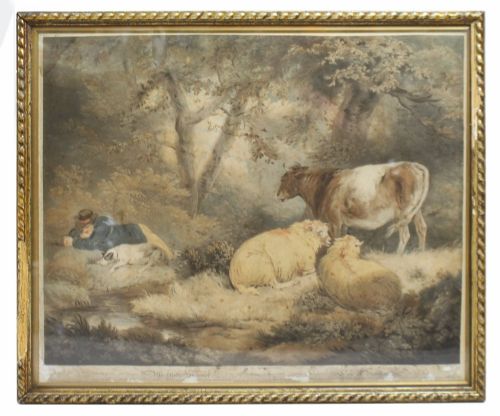
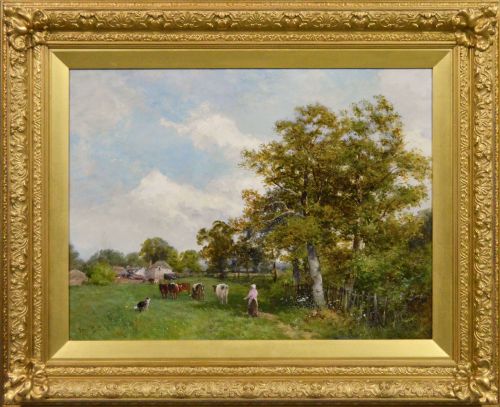
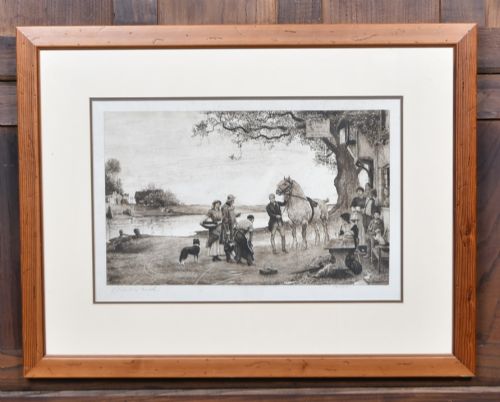
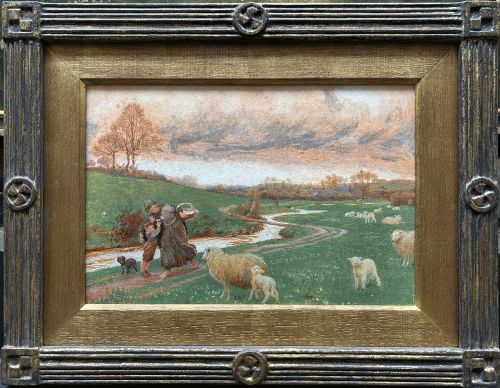
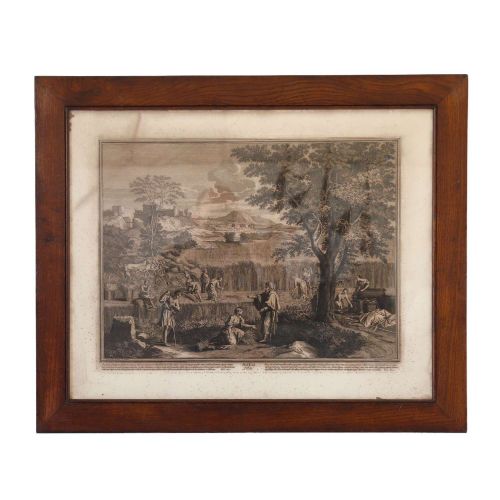
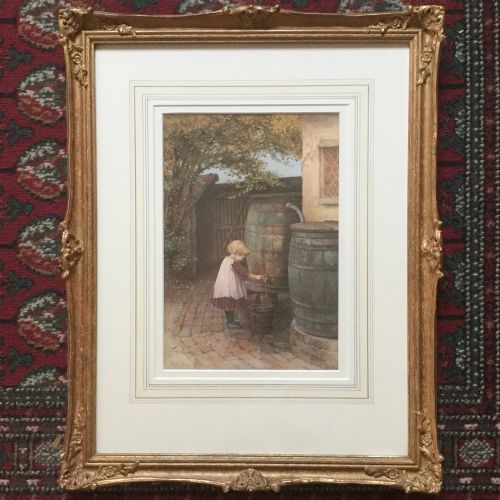
A pastoral art print captures idyllic countryside subjects, featuring shepherds, farm workers, cattle, and rustic cottages set within tranquil landscapes. When searching for a pastoral art print, buyers encounter works ranging from Georgian reverse glass prints to Victorian etchings and coloured mezzotints.
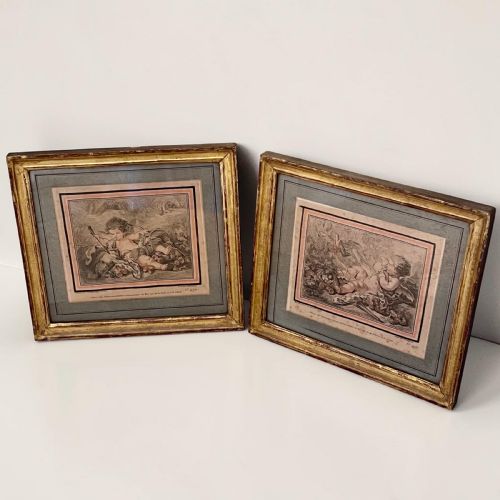
The selections span multiple centuries, capturing shifts from Baroque classicism and French rococo compositions to Victorian idyllic school scenes. Many pieces translate original oil paintings or watercolours by notable artists into printed mediums for domestic display.
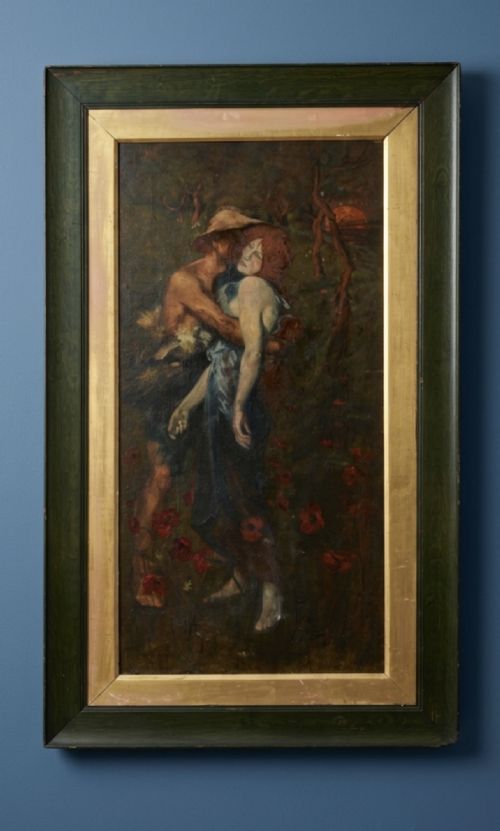
Framing often preserves these works, utilising period materials such as gilt wood, gesso, and Hogarth frames to complement the rural imagery. The visual focus centres on harmony between humans, animals, and the natural world.
Materials and print techniques
Makers utilised paper as the primary support for engravings, etchings, lithographs, and mezzotints, applying hand-colouring to enhance details in the scenery. Reverse glass prints required specialised techniques to paint and seal delicate imagery directly onto the glass panel.
Frames incorporated wood, gesso, and gold leaf or gilt finishes to protect and display the paper or glass works. Oil paintings and watercolours on canvas or paper also appear among these rural depictions, utilising traditional pigments and varnishes.
Pastoral Art Print Retail Price Guide 2026
Typical asking prices for pastoral art print among the pieces listed under this phrase on Sellingantiques today, from the lower quarter to the upper quarter. They describe what is for sale here now, not the wider market.
Cows, pigs, and sheep quietly supervise human attempts at farming across centuries of fine printing.
Evaluating print and frame quality
Quality rests upon the clarity of the plate impression and the precision of any hand-applied colour work across the paper surface. Finer engravings and mezzotints retain crisp lines and tonal depth, whereas worn plates yield blurred details.
The integrity of the original frame contributes significantly to the piece, particularly where period gilt wood, gesso mouldings, or reverse glass housings remain intact. Well-preserved paper free from excessive toning or foxing distinguishes superior examples.
David Bates·Robert W Macbeth·Frederick Walker·Charles Edward Wilson·James William Booth
The Pastoral Art Print Glossary
- Mezzotint
- A printmaking process of the intaglio family where the plate is roughened to achieve rich tonal gradations in dark and light areas. This method creates soft, atmospheric effects suited to moody landscapes.
- Reverse glass print
- An image painted or transferred directly onto the back side of a glass panel to be viewed from the front. This fragile technique produces a glossy, luminous surface.
- Etching
- A print produced by drawing through an acid-resistant ground applied to a metal plate, which is then submerged in acid to bite the lines. It allows for expressive, fine linework.
- Gesso
- A plaster-like mixture applied to wood frames as a base for moulding ornamental details and applying gold leaf. It gives traditional frames their rigid, sculptural relief.
Pastoral Art Print: Frequently Asked Questions
What defines a pastoral art print?
A pastoral art print depicts traditional country scenes, farming life, and figures tending animals within natural landscapes. These works translate original paintings into reproducible formats like engravings, etchings, and mezzotints.
They reflect historical ideals of rural simplicity and agrarian harmony. Collectors find these pieces housed in various period frames suited to domestic decoration.
How do I identify a reverse glass print?
A reverse glass print presents its imagery with a distinctive glossy sheen because the design sits behind the glass itself. The protective glass layer shields the pigments from atmospheric dirt and direct handling.
Close inspection reveals the ink or paint trapped directly against the rear surface. These pieces often date from the Georgian era and require careful handling to prevent glass fracture.
Where should I hang these prints?
These works suit traditional living spaces, studies, or hallways where their quiet rural subjects create a calm atmosphere. Pairing them with period wooden furniture or neutral walls enhances their historical character.
Avoid placing them in direct sunlight to protect the paper supports and hand-applied watercolours from fading. Proper spacing allows the gilt frames and detailed engravings to stand out.
How are different periods told apart?
Georgian and Regency examples often feature delicate hand-coloured engravings, reverse glass panels, or sepia prints with classical balance. Victorian works tend toward larger etchings, richer tonal contrasts, and more sentimental or symbolic rural narratives.
Framing styles also shift across eras, moving from simple Hogarth profiles to ornate gilt wood and gesso mouldings. Examining the paper type and printing technique helps confirm the era of production.