



Pastel Portrait Sketch
These pastel portrait sketch works capture faces in dry pigment across periods from the Regency era to the mid-twentieth century.
Pastel Portrait Sketch
A pastel portrait sketch brings together dry pigment strokes on paper surfaces to record individual likenesses. When you search for pastel portrait sketch examples on this page, you encounter works spanning the nineteenth century through the 1950s and 1960s.
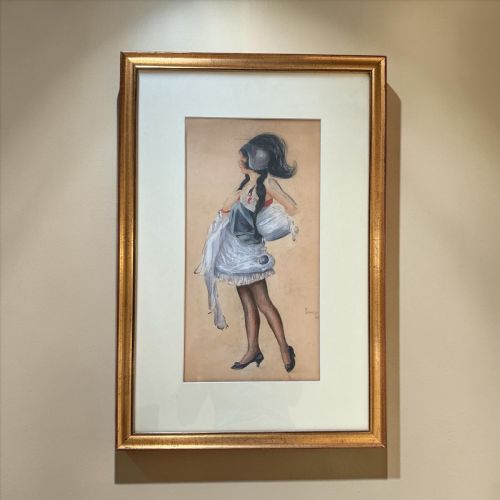
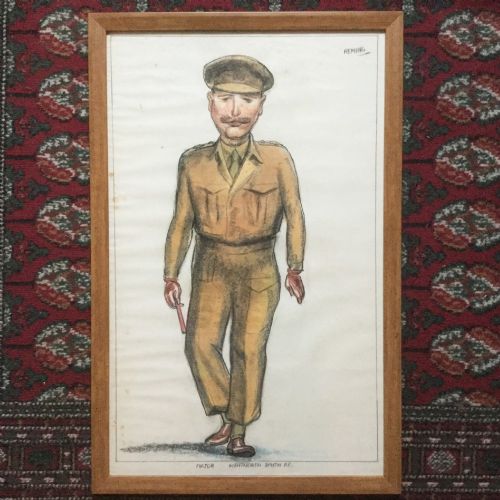
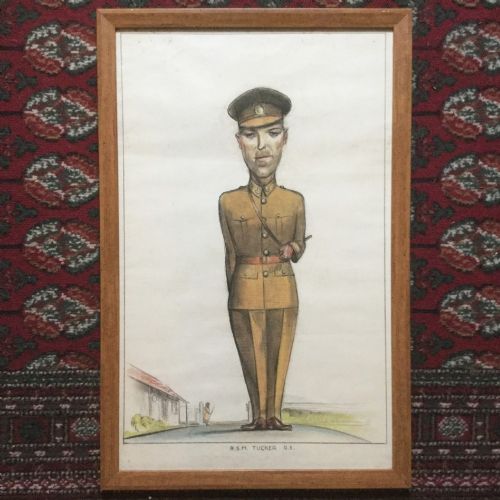
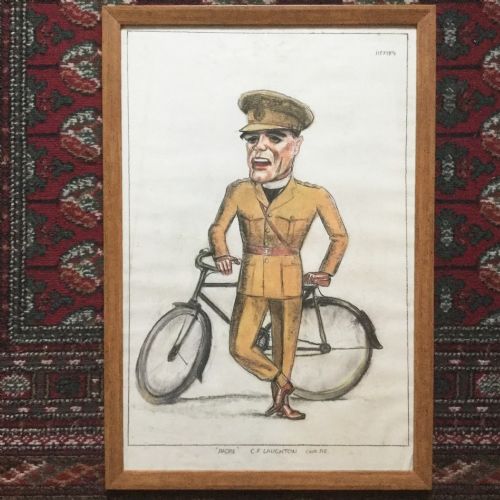
The subjects range from military officers and elegant ladies to circus ballerinas and cats rendered in oil pastels. Traditional realism and wartime illustrative styles dominate the pieces available.
Framed drawings and wall art form the core of these listings, often preserved behind glass within wooden or gilt wood frames. Pieces originate from named artists like Arthur Todd and Aubrey Sykes, alongside English school works.
How They Were Made
Artists apply pastel and chalk directly onto paper supports, occasionally combining them with gouache or watercolour to build depth and contrast. These dry mediums allow for immediate blending and expressive line work.
Finished works find protection beneath glass mounted inside wooden frames, frequently finished in gilt wood. This framing method shields the fragile pastel pigment from touch and environmental degradation.
Pastel Portrait Sketch Retail Price Guide 2026
Typical asking prices for pastel portrait sketch among the pieces listed under this phrase on Sellingantiques today, from the lower quarter to the upper quarter. They describe what is for sale here now, not the wider market.
Listings span periods from the nineteenth century through the 1960s, featuring paper, pastel, gouache, chalk, and gilt wood materials.
What Varies in Quality
The strength of draftsmanship and the precision of facial expression dictate the standing of each drawing. Finer examples capture character and anatomy with deliberate, confident strokes rather than hesitant blending.
The preservation of the paper support and the condition of the original glass and wooden frame contribute significantly to the integrity of the piece. Works retaining their period frames maintain a more complete historical context.
Arthur Todd R A·Aubrey Sykes RA·George Richmond
The Pastel Portrait Sketch Glossary
- Pastel
- A dry painting medium consisting of powdered pigment and a binder, rolled into sticks. It offers vibrant colour application directly onto paper surfaces.
- Gouache
- An opaque water-based paint often used alongside pastels to add highlights and solid areas of tone. It provides a flat, matte finish that complements chalk and pastel work.
- Gilt wood frame
- A wooden picture surround covered with a thin layer of gold leaf or gilt paint. These frames frequently accompany nineteenth-century and mid-century portraits.
- Traditional realism
- An artistic approach focusing on the accurate depiction of visual appearance without stylistic distortion. This style governs many of the military and civilian portraits found here.
- Wartime illustrative
- A drawing style produced during mid-century conflict periods, often recording service personnel with direct observation. These works combine pastel and gouache to document individuals in uniform.
Pastel Portrait Sketch: Frequently Asked Questions
What materials make up a pastel portrait sketch?
These works primarily utilise pastel and chalk on paper supports, sometimes combined with gouache or watercolour.
Protective glass and wooden or gilt wood frames enclose the majority of these pieces.
How are these framed artworks displayed?
The drawings sit behind glass to prevent the loose pastel pigment from smudging or lifting off the paper.
Original wooden and gilt wood frames frequently accompany the portraits, preserving their period presentation.
What periods do these drawings cover?
The selection spans from the nineteenth century through the 1910s, 1930s, 1940s, 1950s, and 1960s.
Mid-century wartime works and earlier Regency pieces both appear within the collection.
What subjects feature in these portraits?
Subjects include military officers, elegant ladies, circus ballerinas, Arabian men, and cats rendered in oil pastels.
Both named sitters and anonymous individuals are represented across the various artistic styles.