

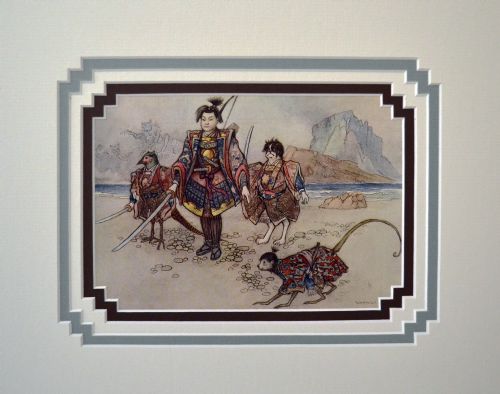
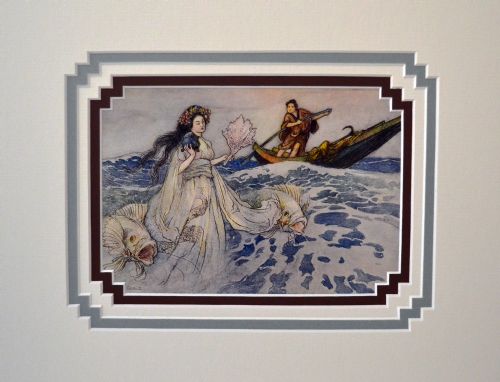
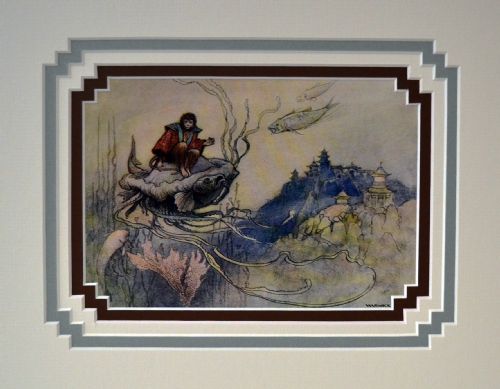
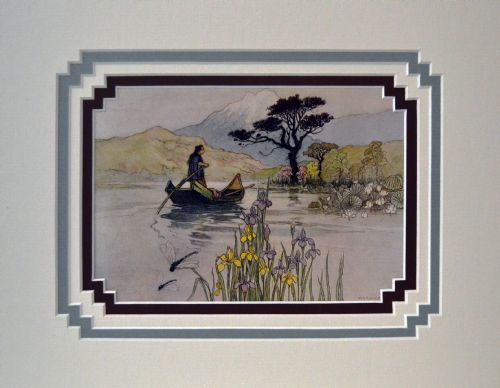
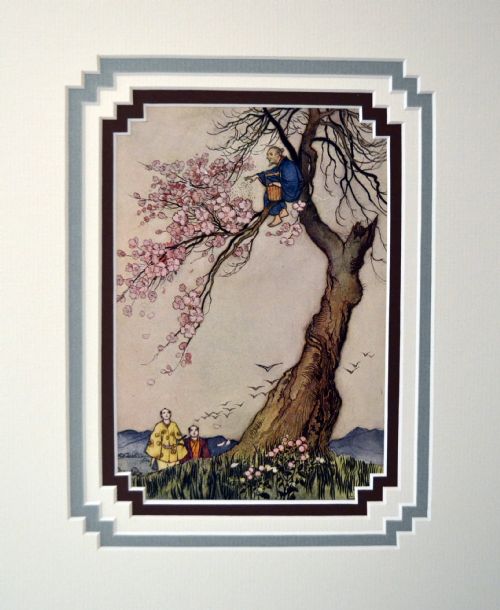
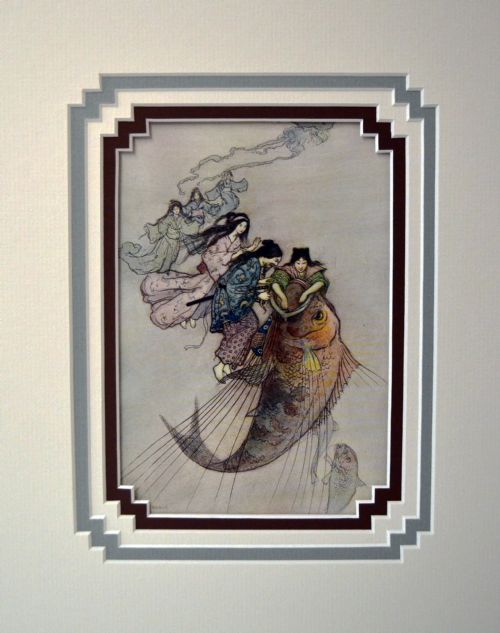

Paper Book Plate
These paper book plate examples bring Edwardian illustration and mid-century art directly to your walls.
Paper Book Plate
A paper book plate represents an illustration removed from a published volume or created as an original book art piece. When you search for this phrase, you find antique prints and framed art ready for display.
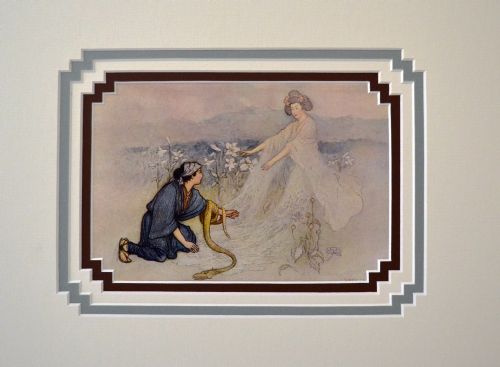
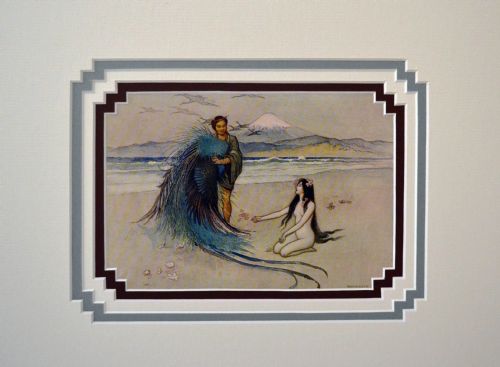
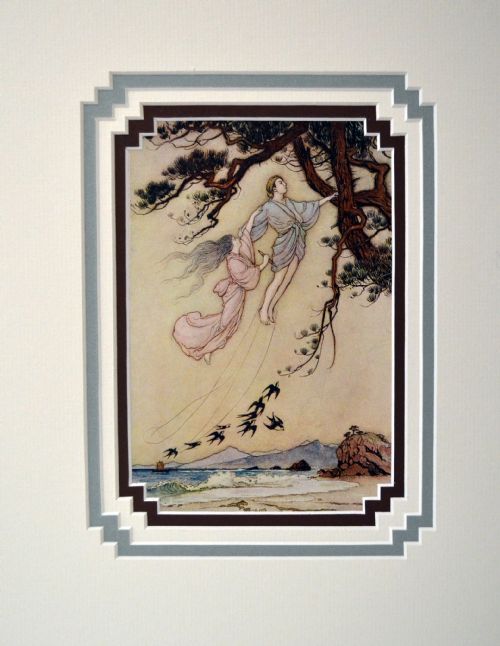
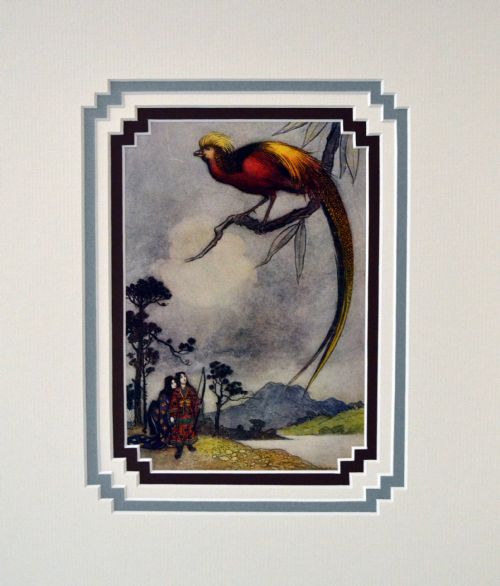
The most common version you meet on this page is the Edwardian first edition print, particularly from 1910. These originate from published storytelling works and feature distinct illustrative styles.
Beyond Edwardian fairy tales, the selection includes mid-century modern pieces from 1940. These later examples bring different artistic techniques and drawing styles to the category.
How they were made
Production relies on paper, card, and ink to form the core illustration. Wood and glass often complete the framed presentation.
Mount board and mountboard provide structural support and framing borders for the delicate paper plates. Copper plates also appear in specific artistic works.
Some plates journeyed from fairy tale books into quiet frames, watching rooms change for over a century.
What varies in quality
Quality rests in the fidelity of the ink impression and the condition of the paper surface. Stronger prints maintain sharp lines and rich tonal depth.
The presentation changes the overall character, depending on whether the paper plate retains its original mount board and framing.
Warwick Goble·Mariette Lydis
The Paper Book Plate Glossary
- Mount board
- A stiff cardboard material placed behind or around a print to support and frame it.
- First edition
- The initial published printing of a book, from which plates are often sourced.
- Copper plate
- A metal sheet etched or engraved for printing illustrations.
- Edwardian
- The period spanning the early twentieth century, known for distinct illustrative arts.
Paper Book Plate: Frequently Asked Questions
What is a paper book plate?
A paper book plate is an illustration sourced from a book or created as a plate for a publication. They capture specific artistic periods on paper and card.
These pieces function as standalone wall art when framed under glass with mount board.
How do I display these prints?
Display involves hanging framed prints on a wall where light levels can be managed to protect the paper. Glass and wooden frames safeguard the delicate surface.
Keep them away from direct sunlight to preserve the ink and paper integrity over time.
How do I date a print?
Dating relies on the stylistic markers of the Edwardian era or mid-century modern movements. Publication dates provide a clear guide to the origin.
Examining the paper type and printing technique also helps confirm the period of manufacture.
What styles are available?
Styles range from Edwardian illustration and Japonisme to Golden Age illustration and mid-century modern. Each style reflects the artistic conventions of its decade.
Fairy tales and poetry books are common sources for these distinct visual traditions.