




Paired Book Ends
These paired book ends are sturdy desktop companions designed to hold upright volumes in place.
Paired Book Ends
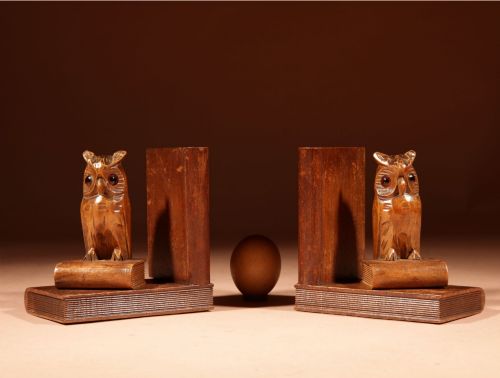
Paired book ends are heavy supports designed to keep rows of books upright on shelves and desks. When searching for paired book ends, buyers encounter diverse forms ranging from animal carvings to architectural motifs.
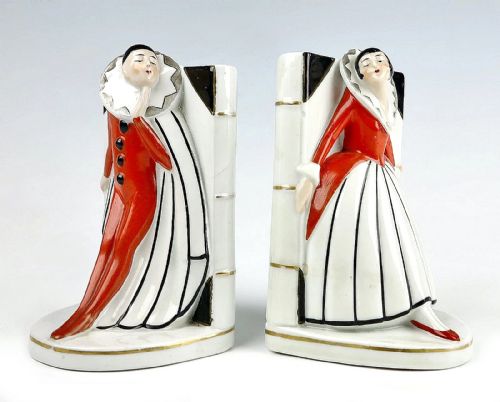
The selections span multiple eras, including the Regency period, the Edwardian era, and the Art Deco movement. Common formats include carved wooden animals, cast metal figures, and marble or stone shapes.
How they were made
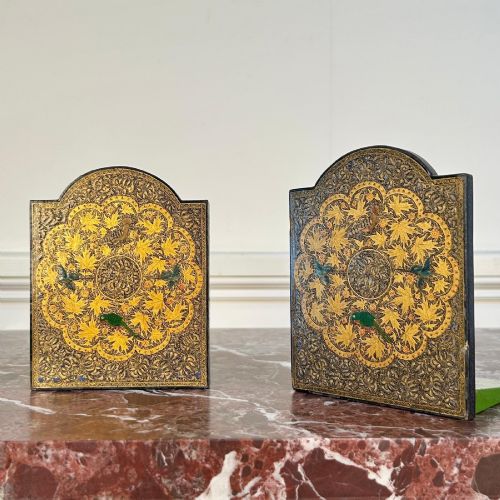
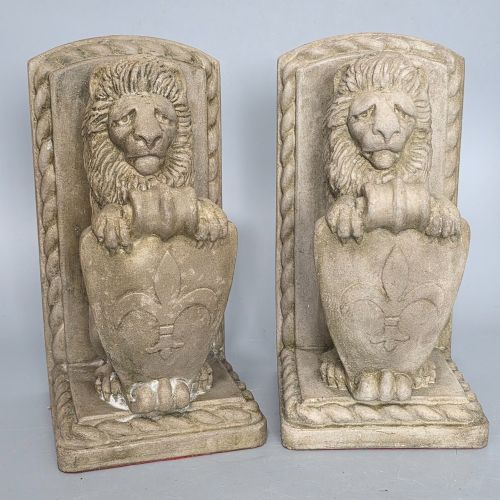
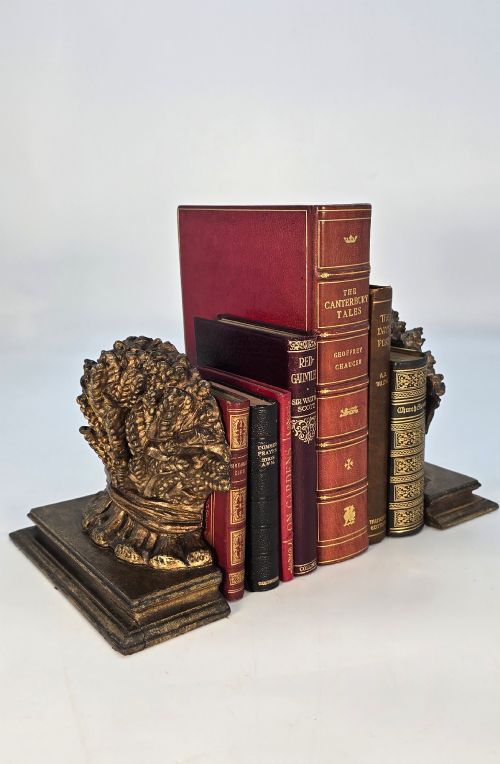
Materials include carved wood such as linden wood and ebony, alongside metals like brass, bronze, and ormolu. Artisans also utilised marble, glass, papier-mache, and cast stone to add necessary weight.
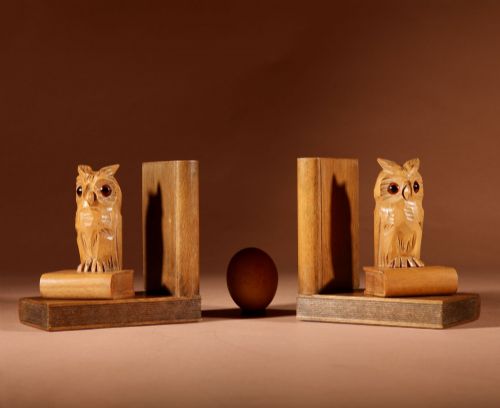
Techniques range from hand carving in Black Forest workshops to cold painting on bronze and inlay work on mahogany. Each method provides both decorative appeal and the mass required to stabilise heavy books.
Paired Book Ends Retail Price Guide 2026
Typical asking prices for paired book ends among the pieces listed under this phrase on Sellingantiques today, from the lower quarter to the upper quarter. They describe what is for sale here now, not the wider market.
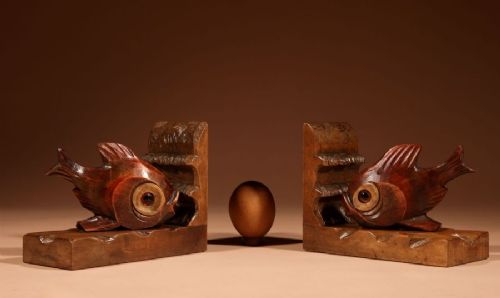
Scottish terriers, goldfish, and bulldogs all serve as steadfast guardians for stray novels.
What varies in quality
Quality rests upon the crispness of the carving or casting and the integrity of the materials used. Finer examples display detailed hand finishing, whereas simpler items rely on basic moulding.
The choice of dense materials like marble or solid bronze ensures superior weight distribution compared to lighter woods or hollow metals. Original finishes and patinas also elevate the standing of a pair.
Thornton Smith Co·C Omin
The Paired Book Ends Glossary
- Black Forest
- A style of wood carving originating in Central Europe, known for realistic animal subjects. These pieces often feature bears, owls, or fish.
- Cold painted bronze
- A method where bronze sculptures are painted with oil-based paints rather than heat-fired. This technique preserves fine surface details.
- Ormolu
- Gilt bronze mounted onto furniture or decorative objects. It provides a bright metallic contrast against darker woods.
- Regency
- An architectural and design period spanning the early nineteenth century. Pieces from this era often draw on classical Greco-Roman motifs.
- Inlay
- A technique where contrasting materials are inserted into a wood surface to form decorative patterns. Mahogany items frequently utilise this method.
Paired Book Ends: Frequently Asked Questions
What materials are used for paired book ends?
Makers utilise a wide array of materials including bronze, brass, marble, linden wood, and glass.
Heavier substances like cast stone and solid yew wood provide the necessary weight to support heavy rows of volumes.
How do I date an antique pair?
Dating relies on stylistic clues, such as the geometric lines typical of Art Deco or the naturalistic motifs of the Edwardian period.
Material choices and construction techniques also help place an item within specific centuries or decades.
Where should I place these objects?
These items function practically on bookshelves, desks, and side tables to anchor loose collections of literature.
Their decorative forms allow them to act as standalone ornaments when not holding books.
What styles are common?
Common aesthetics include the rustic animal carvings of the Black Forest and the sleek geometric designs of Art Deco.
Neoclassical revival and sporting themes also appear frequently across the available selections.