
Pair of Lights
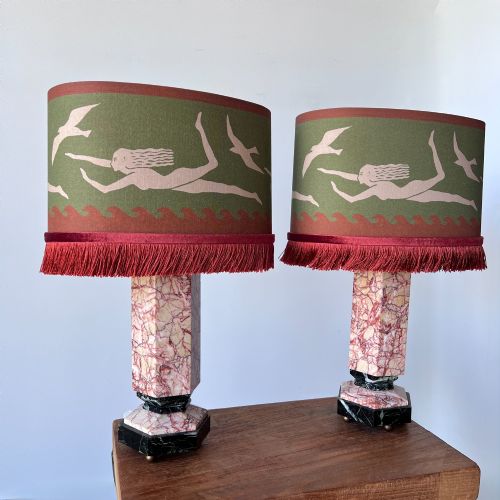
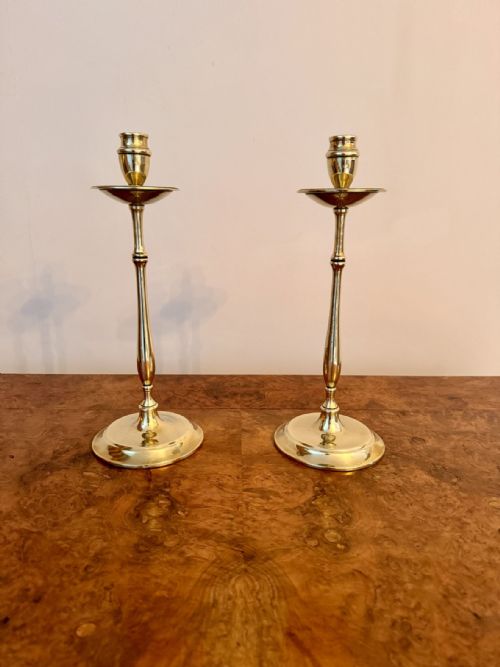
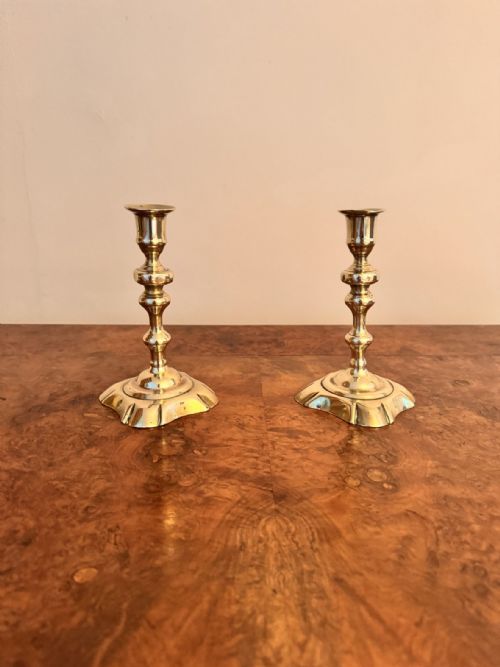
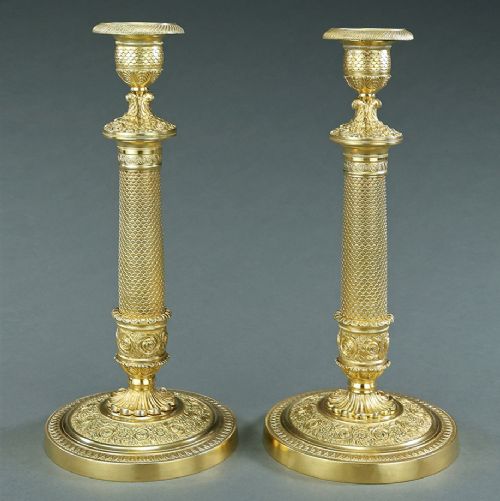
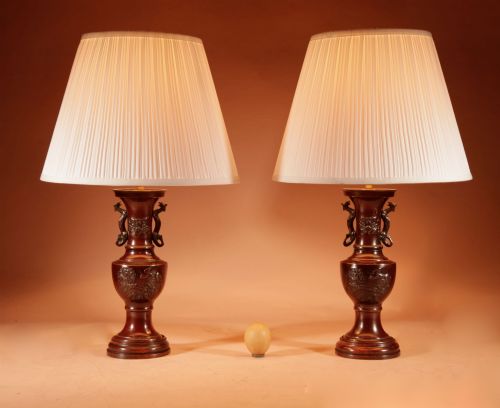
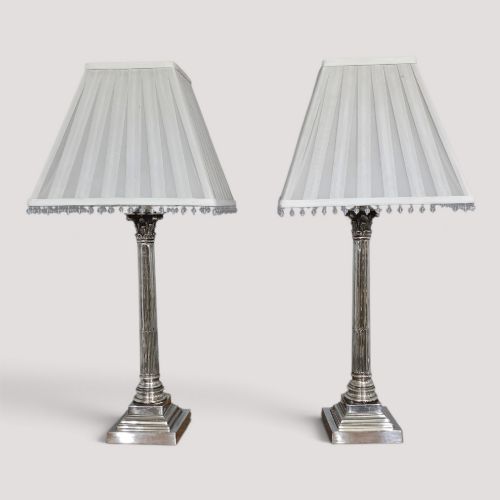
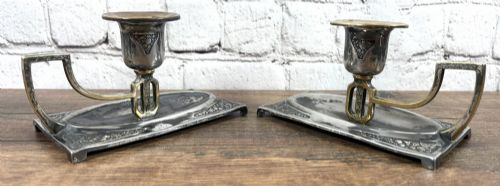
A pair of lights brings symmetry and balance to a room, offering matched illumination through period candlesticks, wall sconces, and lamps.
Pair of Lights
When searching for a pair of lights, buyers encounter matching sets designed to illuminate domestic spaces in unison. These objects span several centuries of interior design, fulfilling both practical lighting needs and decorative symmetry.
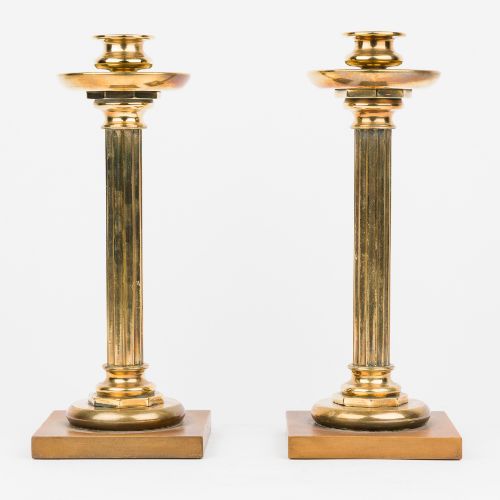
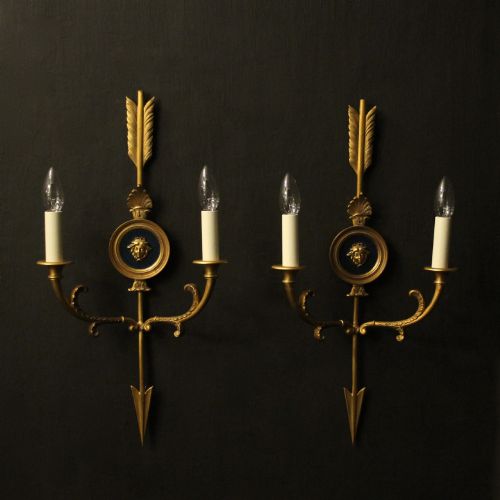
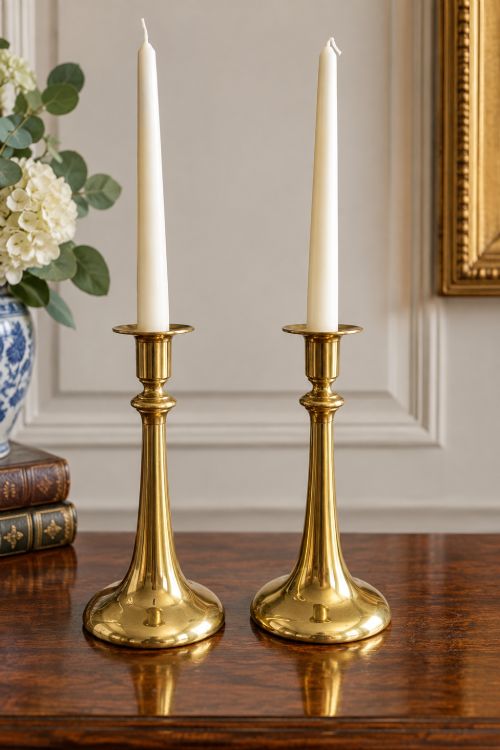
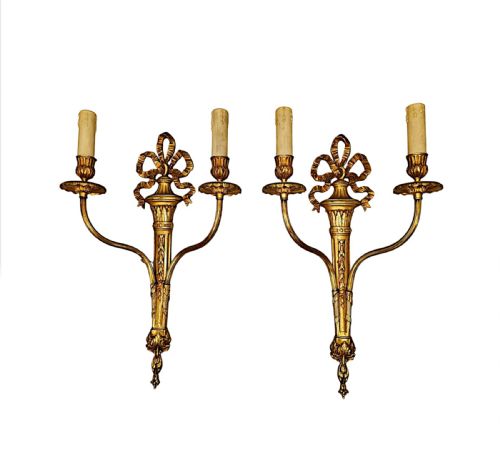
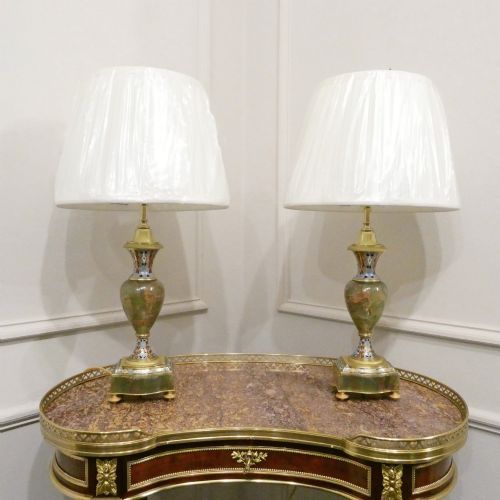
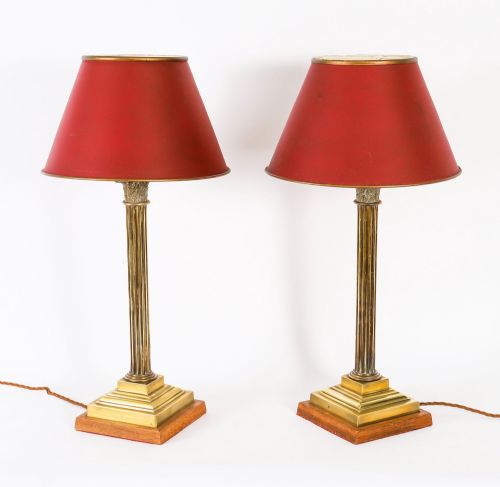
The selections on this page lean heavily toward wall lights, table lamps, and candlesticks originating from French and English workshops. Pieces range from Victorian brass church candlesticks to Art Deco chrome fixtures and French Neoclassical gilt bronze wall sconces.
Beyond standard lighting, the inventory occasionally includes related dual items such as twin beds or architectural portholes. However, the core of the selection remains devoted to matched lighting pairs intended for flanking mirrors, mantels, or bedsides.
How they were made
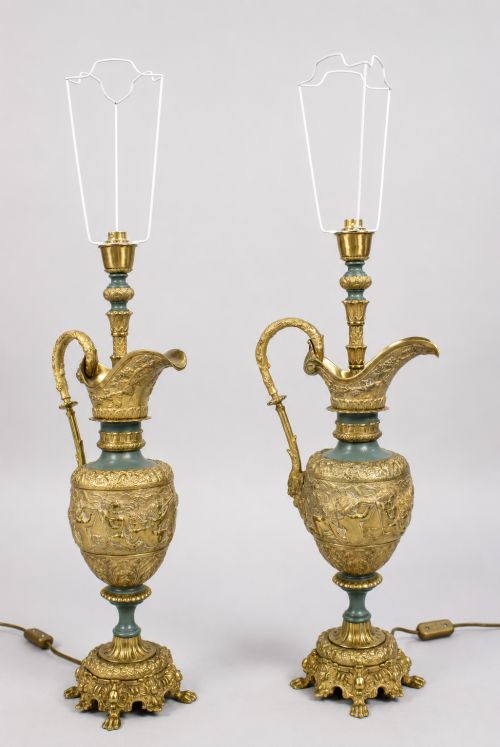
Metalworking forms the foundation of these pieces, utilising cast bronze, brass, gilt metal, and silver plating shaped through casting, chasing, and ormolu techniques. Makers frequently combined metals with carved wood, marble bases, onyx, or moulded glass to achieve contrasting textures.
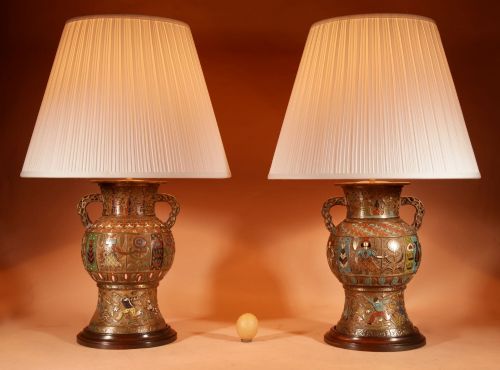
Surface decoration often involved hand gilding, lacquering, or champlevé enamel work applied to bronze and brass bodies. Glass components, including crystals and shades, were blown or pressed, while wooden examples relied on traditional joinery and hand carving.
Listings feature items spanning the nineteenth century through the 1930s, encompassing Victorian, Art Deco, and French Neoclassical styles.
What varies in quality
Quality reveals itself in the crispness of the casting and the depth of the chasing on metal surfaces. Superior examples display sharply defined ornamentation and substantial weight, whereas lesser pieces show softer details and lighter construction.
The integrity of the materials and the finesse of the assembly distinguish the finer items. Hand-gilded finishes, heavy mountings, and intact original elements separate standard commercial production from exceptional craftsmanship.
Archibald Knox·Heals
The Pair of Lights Glossary
- Ormolu
- A technique of applying finely ground, high-carat gold to a bronze object. This mercury gilding method imparts a rich, durable golden finish found on fine French lighting.
- Champlevé
- An enamelling technique where troughs are dug into a metal surface and filled with vitreous enamel before firing. It creates colourful patterned decoration on brass and bronze bases.
- Sconce
- A wall-mounted lighting fixture designed to hold candles or electric bulbs. These fixtures often feature multiple arms and decorative backplates to reflect illumination.
- Pricket candlestick
- A candleholder featuring a sharp central spike designed to secure the base of a large candle. These are commonly found on heavy church and altar candlesticks from the nineteenth century.
- Girandole
- An ornate wall-mounted bracket holding candles or lights, usually incorporating a mirror to multiply the reflection of the illumination.
Pair of Lights: Frequently Asked Questions
What are pair of lights?
Pair of lights refers to matched sets of lighting fixtures, including table lamps, wall sconces, candlesticks, and candelabra designed to be used together.
They provide balanced illumination and symmetrical decoration within a room, often placed on either side of a fireplace, mirror, or bed.
How were wall lights used historically?
Historically, wall lights and sconces held candles or oil to illuminate corridors, reception rooms, and dining spaces before the advent of electricity.
Positioned against walls or flanking mirrors, they maximised the spread of light by reflecting the flame off polished metal backplates and glass crystals.
How do I live with antique lighting?
Living with older lighting involves blending historical character with modern electrical safety standards. Many pieces are suitable for daily use once rewired and tested for contemporary living.
Positioning them thoughtfully allows the aged patinas of brass, bronze, and giltwood to complement both traditional and modern interiors.
How do I tell periods apart?
Periods are identified through distinct stylistic markers, such as the heavy classical proportions of Regency pieces, the natural floral motifs of Art Nouveau, and the streamlined geometric forms of Art Deco.
Materials and manufacturing techniques also signal the era, moving from nineteenth-century hand-chased bronze to early twentieth-century chrome and moulded glass.