

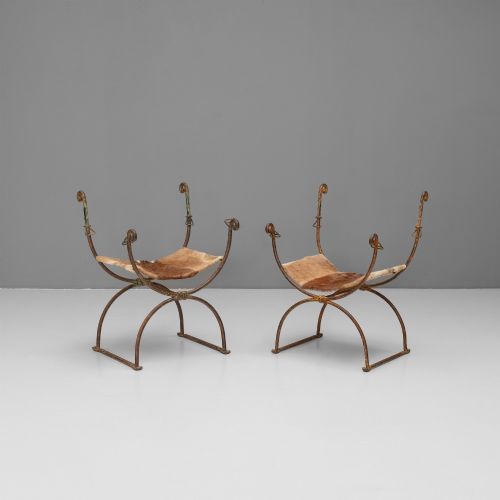


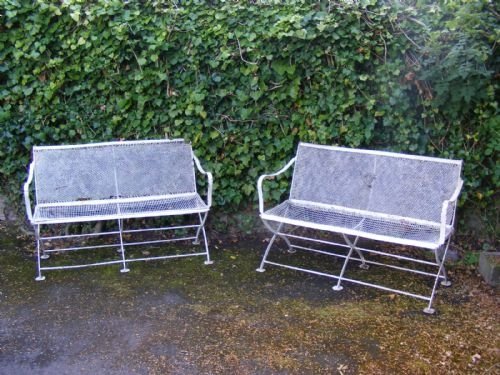


Pair of Iron Benches
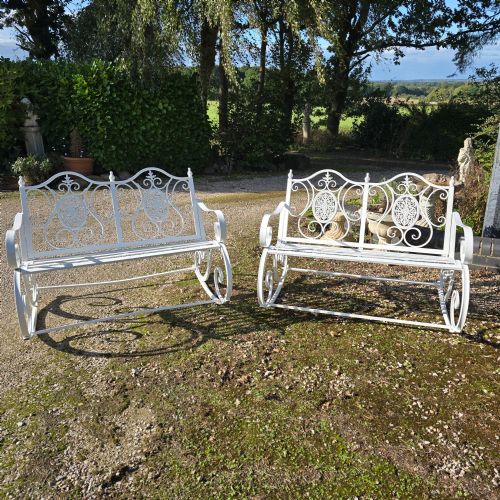
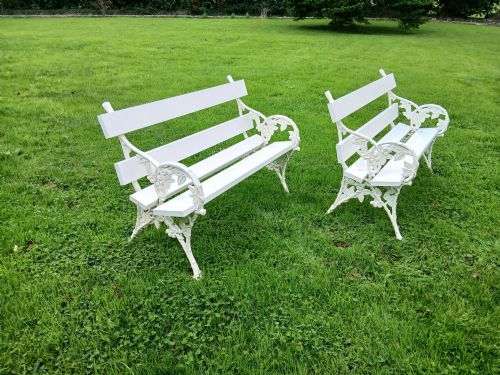
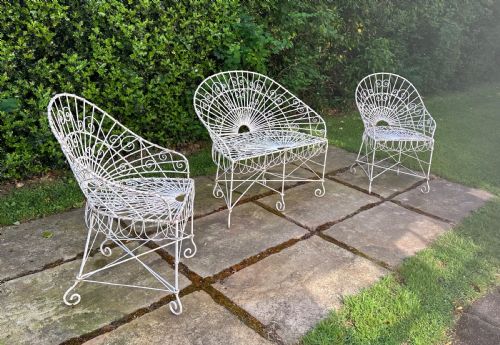
A pair of iron benches brings enduring structure to a terrace, and the examples gathered here span from the nineteenth century through the interwar period.
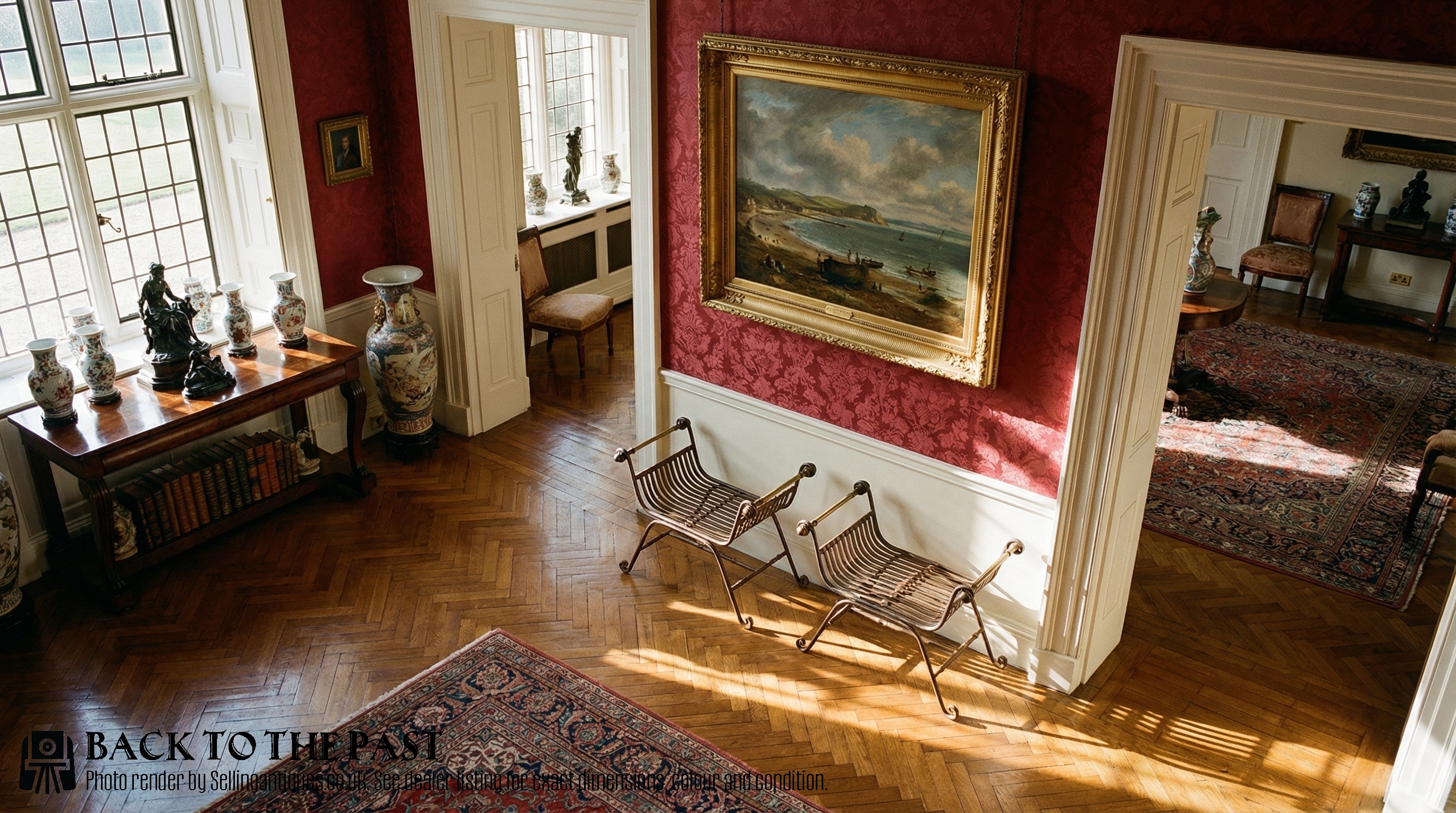
Pair of Iron Benches
A pair of iron benches comprises matched seating designed primarily for outdoor use, incorporating heavy metal frames intended to withstand the elements. When searching for a pair of iron benches, buyers encounter forms ranging from ornate Victorian garden seats to understated twentieth-century designs.
The selections span multiple eras, with nineteenth-century and Victorian examples appearing frequently alongside pieces from the 1920s, 1930s, and 1940s. Styles stretch from Gothic Revival and Spanish Revival to French Country, Regency style, and Victorian Industrial.
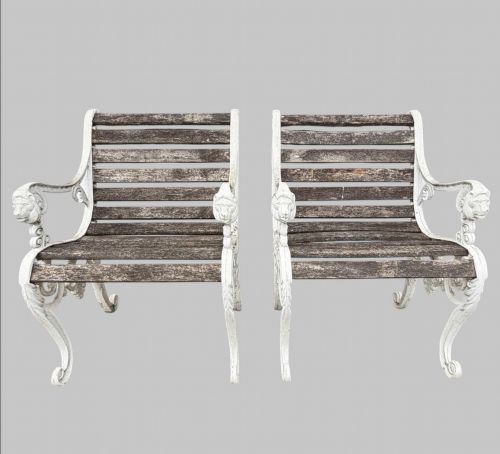
Beyond standard garden benches, the category encompasses garden armchairs, side chairs, bench ends, club fenders, and complete garden furniture sets. Many combine iron frames with timber or painted wood slats for the seat and backrest.
How they were made
Foundries utilised cast iron and wrought iron for the structural framework and decorative ends, pouring molten metal into detailed moulds or shaping it by hand. These metal components provide substantial weight and rigidity.
Makers integrated timber, pitch pine, oak, and teak for seating surfaces, securing wooden slats to the iron supports with bolts. Paint finishes and protective layers were applied to guard against rust and weathering.
Specialised foundry patterns created distinctive motifs such as blackberry and leaf designs, lion masks, and serpent and twig patterns. Some iterations paired the iron structure with upholstered elements like cowhide.
Pair of Iron Benches Retail Price Guide 2026
Typical asking prices for pair of iron benches among the pieces listed under this phrase on Sellingantiques today, from the lower quarter to the upper quarter. They describe what is for sale here now, not the wider market.
Some Victorian iron benches incorporate twisting serpent and twig patterns designed to make visitors double-take when resting in the garden.
What varies in quality
The clarity and crispness of the foundry casting separate standard utilitarian items from exceptional decorative pieces. Finer castings display sharp relief in botanical or figurative motifs without blurring.
The integrity of the structural joinery between metal and wood dictates the longevity of the seat. Superior examples maintain a rigid connection between the heavy iron frames and the timber or pitch pine slats.
The historical significance of the design and the preservation of original painted surfaces influence the standing of each pair. Retaining an authentic patina from the nineteenth century or early twentieth century adds depth to the object.
Falkirk Carron Foundry·Val D'osne·Coalbrookdale·F Bird & Co
The Pair of Iron Benches Glossary
- Cast iron
- A hard, relatively brittle alloy of iron and carbon that can be poured into a mould while molten. This material allowed nineteenth-century foundries to produce intricate garden furniture with high detail.
- Wrought iron
- Iron that has been heated and worked with tools rather than cast in a mould. It offers greater tensile strength and flexibility than cast iron.
- Bench ends
- The structural side supports of a seat, usually made of cast iron, designed to hold wooden slats. These are often found separately or paired with replacement timber.
- Club fender
- A low, upholstered seat placed around a fireplace hearth, sometimes constructed with steel and oak. These frames combine metalwork with padded seating surfaces.
- Gothic Revival
- An architectural and decorative style drawing inspiration from medieval forms. Pieces in this style utilise pointed arches, trefoils, and ecclesiastical motifs.
Pair of Iron Benches: Frequently Asked Questions
Where should iron benches be placed?
These benches suit outdoor placement on gravel paths, stone terraces, or sheltered garden lawns where their weight anchors them firmly against the ground.
They also adapt well to large conservatories, garden rooms, or entrance halls when paired with stone or timber flooring.
How do I maintain iron garden seats?
Routine maintenance involves clearing debris from the slats and inspecting the metal surfaces for signs of weathering.
Applying appropriate protective paint coatings to the iron and treating the timber elements preserves the condition of the materials over time.
How do I identify Victorian iron furniture?
Victorian examples often feature heavy cast iron frames decorated with naturalistic motifs such as foliage, vines, or animal masks. Foundry marks or registration numbers can sometimes be found stamped into the metal.
Proportions tend to be robust, reflecting the manufacturing capabilities of nineteenth-century industrial foundries.
Can these benches stay outside all year?
Iron and treated timber withstand outdoor conditions, though severe winter frost and continuous moisture can accelerate wear on both metal and wood.
Moving the benches to a sheltered shed or covering them during harsh weather helps protect the painted finishes and structural integrity.