

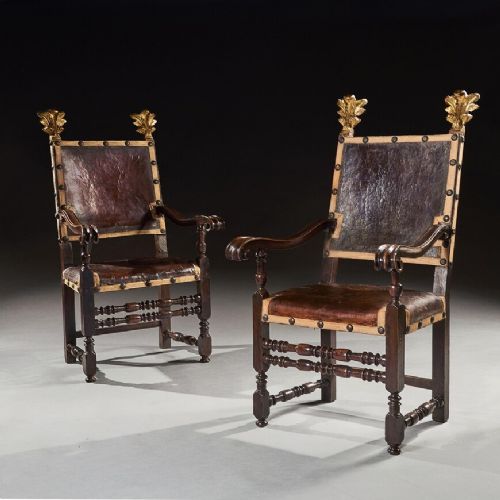


Pair of Carved Finials
A pair of carved finials provides the architectural punctuation for a roof, furniture piece, or garden structure.
Pair of Carved Finials
When you search for a pair of carved finials, you are looking at decorative ornaments that terminate architectural points, furniture corners, or posts. The evidence shows these pieces span from the 17th century through the Victorian era and into the early 20th century.
While the phrase specifically targets finials, the historical record on this page also reveals them integrated into broader architectural salvage, garden ornaments, and furniture components such as newel posts. Most examples you meet here reflect classical, Gothic, or Baroque traditions.
Materials and construction
Wood and stone provide the primary structural foundation for these items, often enhanced with surface treatments like gold leaf, giltwood, or parcel-gilt. Craftsmen carved walnut, oak, and limestone by hand to achieve intricate relief details.
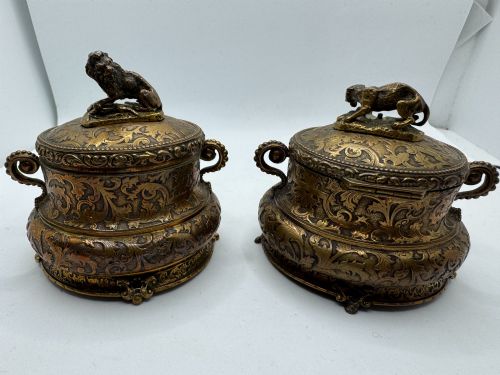
Metals such as brass and gilt-metal also appear in the record, utilised for smaller decorative objects and hardware fittings. These materials required casting and chased detailing rather than traditional timber or stone carving techniques.
Pair of Carved Finials Retail Price Guide 2026
Typical asking prices for pair of carved finials among the pieces listed under this phrase on Sellingantiques today, from the lower quarter to the upper quarter. They describe what is for sale here now, not the wider market.
Some architectural finials spent centuries exposed to weather atop Yorkshire minsters before finding a second life indoors.
Judging quality
The distinction between ordinary and superior pieces rests entirely upon the crispness of the hand-carving and the depth of the relief. Direct provenance, such as originating from a known minster, elevates the historical significance.
Surface finish preservation also dictates worth, particularly where original gilding or patinated limestone remains intact. Finer examples display harmonious proportions that reveal the carver's command over the specific medium.
The Pair of Carved Finials Glossary
- Finial
- An ornamental crowning feature placed at the apex of a roof, gable, or piece of furniture. It serves to draw the eye upward and visually anchor a design.
- Giltwood
- Timber that has been coated with a thin layer of gold leaf or powder. This finish was heavily favored during the Baroque and Neoclassical periods for interior decorative elements.
- Parcel-gilt
- A decorative technique where only specific portions of an object are gilded while the underlying wood or metal remains visible. This creates a striking contrast against dark woods like walnut.
- Newel post
- The principal post at the foot of a staircase, or one at a landing, supporting the handrail. These structural posts frequently terminated in decorative carved finials or corbels.
Pair of Carved Finials: Frequently Asked Questions
What were carved finials used for?
These decorative elements served to cap architectural points, rooflines, and furniture assemblies. They provided a deliberate termination to vertical structures while displaying the wealth and taste of the owner.
Over centuries, makers applied them to everything from grand ecclesiastical stonework to domestic seating and fire furniture.
How do I date a pair of finials?
Dating relies heavily on identifying the underlying material, the tool marks left by the maker, and the prevailing artistic style. For instance, pieces exhibiting high relief and parcel-gilt walnut often point towards seventeenth-century Baroque origins.
Examining the wear patterns and historical context helps separate genuine antique production from later Victorian revivals.
Are these pieces suitable for outdoor display?
Suitability for exterior placement depends entirely upon the original medium recorded in the construction. Limestone and terracotta handle external environments well, whereas giltwood and interior timbers require sheltered interior placement.
Weathering can enhance stone garden ornaments, but moisture rapidly degrades historical gilding and exposed glues.
How should I clean antique wood and stone finials?
Maintenance requires gentle dry dusting with a soft natural bristle brush to prevent particulate accumulation. Introducing moisture or chemical cleaners risks stripping delicate historic finishes, particularly on gilded surfaces.
Consulting a professional restorer remains the safest path when dealing with compromised surfaces or flaking material.