


Pair of Brass Lions
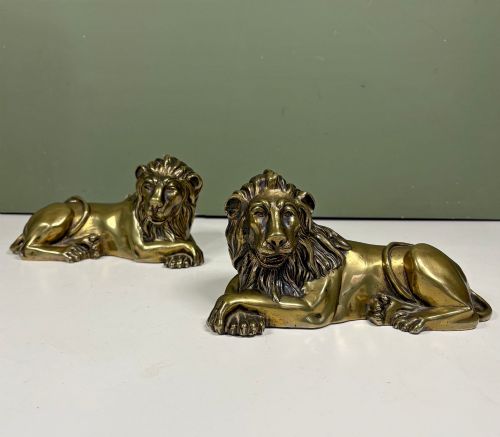
These pair of brass lions pieces bring strong classical presence and heavy metalwork into a room.
Pair of Brass Lions
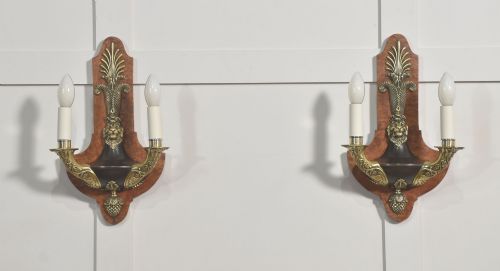
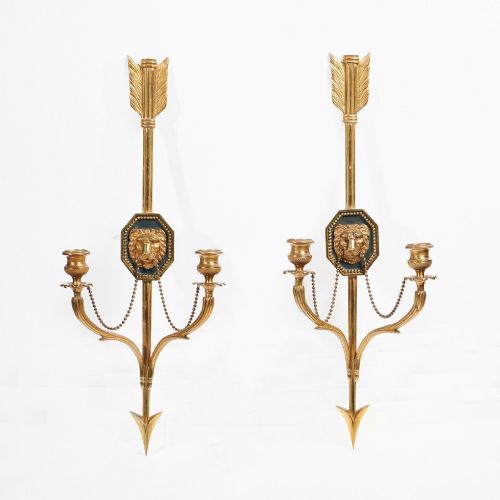
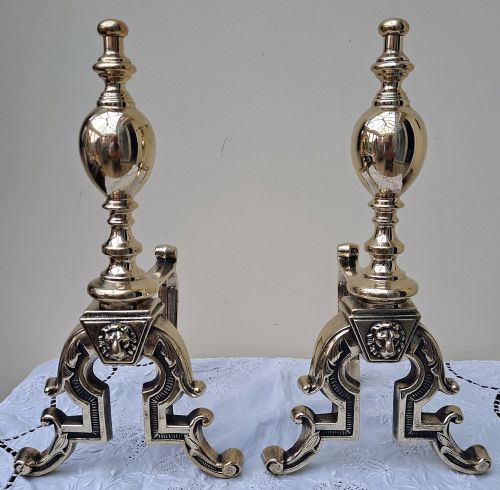
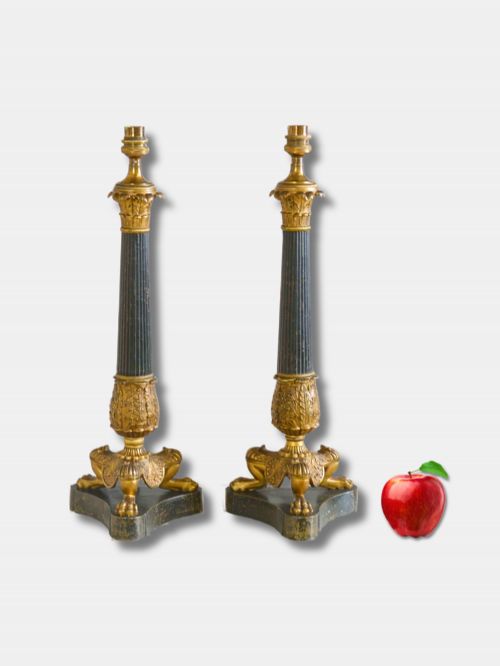
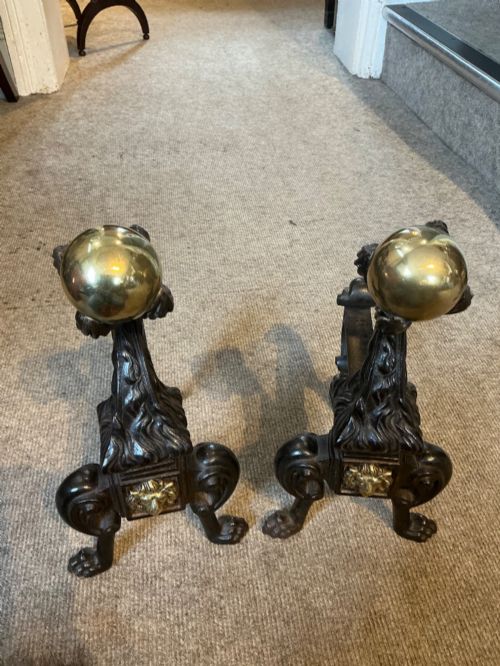
When you search for pair of brass lions, you encounter heavy metal beasts cast for domestic utility or decorative display. These objects appear in forms ranging from freestanding desk figures and door stops to fireplace furnishings and architectural mounts.
The pieces on this page span several centuries, with nineteenth century items and Regency examples dominating the selection. You also meet Georgian and early twentieth century works alongside French Empire and Victorian Gothic designs.
These items serve practical roles beside hearths and doors or stand purely as sculptural ornaments on desks and sideboards. They reflect periods when heavy metal casting dominated interior metalwork and display.
How they were made
Foundry workers utilised traditional sand casting and lost-wax methods to form these metal figures, working primarily in brass, bronze, gilt bronze, and ormolu. Molten metal poured into moulds produced solid or hollow forms which workers then chased and finished by hand.
Periods represented range from the eighteenth century through the Regency era and into the twentieth century.
What varies in quality
Surface finish and original patination dictate visual success, whether through retained fire gilding, rich ormolu, or centuries of natural oxidation on raw brass. The weight of the metal and the integrity of any associated wooden mounts also separate mass-produced items from masterworks.
C Omin
The Pair of Brass Lions Glossary
- Ormolu
- Gilt bronze produced by applying a mercury and gold amalgam to a bronze base and heating it. This technique creates a durable, bright golden surface found on fine French decorative objects.
- Andirons
- Metal supports placed in a hearth to hold logs above the ash. These fireplace accessories often feature decorative cast fronts shaped as animals or heraldic symbols.
- Jardinieres
- Ornamental receptacles designed to hold potted plants or flowers. They appear in metal or ceramic and often sit upon tabletops or hearths.
- Dinanderie
- The traditional craft of working and shaping objects from brass or copper alloys. This medieval term applies to beaten and embossed metal vessel production.
Pair of Brass Lions: Frequently Asked Questions
What rooms suit pair of brass lions?
These figures fit libraries, studies, and hallways where heavy metalwork complements traditional timber furniture. They anchor mantelpieces, desk tops, and side tables with strong sculptural weight.
Placing them near fireplaces or entranceways mirrors their original domestic functions as hearth furniture and door guards.
How do I clean antique brass?
Dust these metal pieces gently with a soft, dry cloth to remove surface particles without disturbing the underlying surface. Avoid harsh chemical polishes that strip historical patination and dull the metal over time.
Leave established oxidation intact because collectors value the aged dark tones built up across centuries of handling.
Are temple lions different from standard lions?
Temple lions, often referred to as Foo dogs, derive from Asian iconography and display stylized manes, open mouths, and guardian postures. They serve spiritual and protective roles distinct from Western heraldic lion figures.
Western pairs focus on naturalistic or neoclassical mammalian power, whereas Asian temple examples incorporate traditional religious symbolism.
How can I date these metal figures?
Examine the casting quality, tool marks on the underside, and the composition of any accompanying hardware or wooden mounts. Nineteenth century pieces often show hand file marks and heavier brass gauges compared to later twentieth century items.
Stylistic cues such as Regency paw feet or French Empire gilt mounts also point directly to specific design periods.