



Pair French Chateau Lamps
Pair French chateau lamps bring grand lighting to rooms through classical forms and rich metals.
Pair French Chateau Lamps
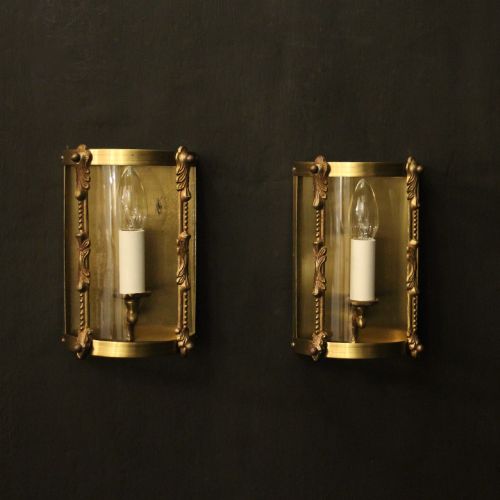
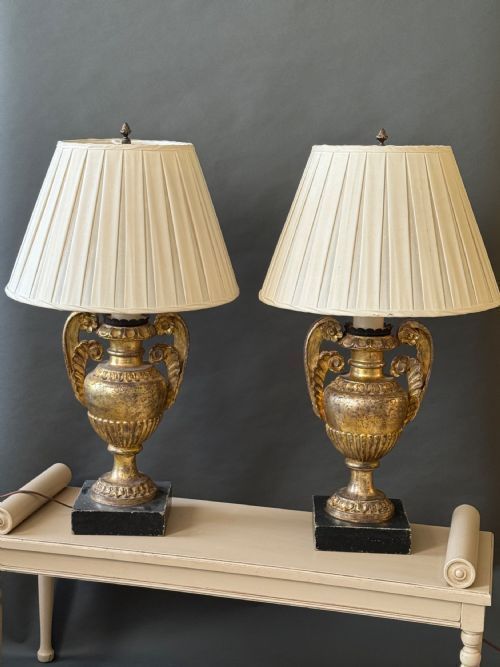
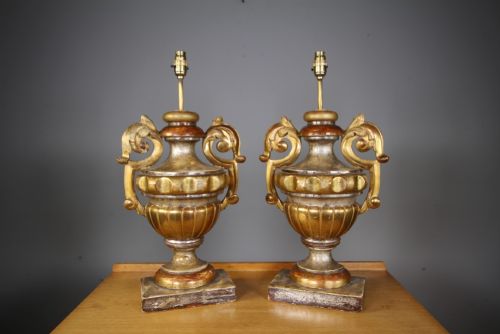
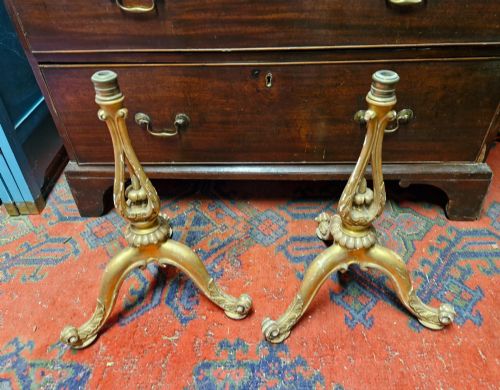
Pair french chateau lamps encompass lighting fixtures and converted candlesticks that reflect stately domestic interiors. These pieces draw on French Rococo, Louis XVI style, and French Empire aesthetics to deliver grand illumination.
The selection here includes table lamps, lamp bases, chandeliers, candelabra, and wall sconces spanning the nineteenth century through the early twentieth century. Buyers encounter creations featuring carved pine, porcelain, marble, and gilt bronze.
Moulded plaster lamps, side tables, and crystal drop lustres also appear among the listings. These objects range from early nineteenth century giltwood candlesticks to 1930s brass and crystal light fittings.
How they were made
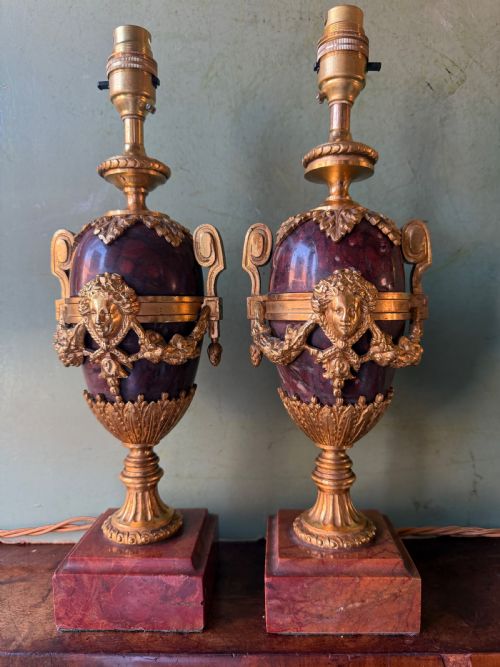
Craftsmen utilised cast bronze, ormolu, brass, and silvered metals alongside rouge marble and carved pine. Gilded finishes and crystal drops enhance the light reflection across these pieces.
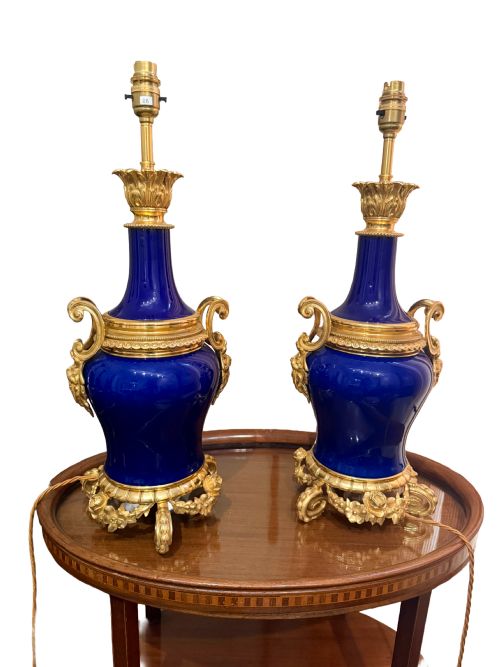
Porcelain bodies, including Paris porcelain and blue porcelain sections, combine with ormolu mounts and fabric elements. Candlesticks and urns undergo conversion into table lamps utilising structural metal components.
Pair French Chateau Lamps Retail Price Guide 2026
Typical asking prices for pair french chateau lamps among the pieces listed under this phrase on Sellingantiques today, from the lower quarter to the upper quarter. They describe what is for sale here now, not the wider market.
Listings span periods from the early nineteenth century through the 1930s, including Victorian and Edwardian examples.
What varies in quality
The definition and depth of the cast ornamentation dictate visual success, particularly on ormolu mounts and bronze figures. Crisp detailing on neoclassical motifs separates standard production from superior examples.
Material selection drives the distinction between pieces, with solid marble bases and genuine crystal components holding more presence than moulded plaster or simpler brass frames. The integration of period porcelain elevates the overall character.
The Pair French Chateau Lamps Glossary
- Ormolu
- Gilded bronze used widely for decorative mounts on nineteenth-century French furniture and lamps. This technique gives a rich gold-coloured surface finish to cast metal details.
- Louis XVI Style
- A neoclassical design movement favouring straight lines, symmetry, and classical antiquity. Pieces in this style often display urns, ribbons, and fluted columns.
- Girondelle
- A type of wall sconce or mirrored wall light designed to reflect candlelight into a room. These fixtures frequently incorporate crystal drops and metal arms.
- Candelabra
- A branched candlestick holding multiple lights. These lighting items appear in brass, bronze, and silvered finishes.
Pair French Chateau Lamps: Frequently Asked Questions
What are pair french chateau lamps?
Pair french chateau lamps are matching lighting fixtures, wall lights, and converted candlesticks inspired by grand French interiors. They typically date from the nineteenth and early twentieth centuries.
These pieces utilise materials such as marble, ormolu, bronze, crystal, and porcelain. They serve as decorative and functional statement lighting for reception rooms and living spaces.
How were antique French lamps used?
These lamps and candelabra provided ambient and task lighting in stately homes and salons. Many started as oil lamps, gas fixtures, or candlesticks before later conversion to electricity.
Today they function as table lamps, wall sconces, or structural light fittings. Their primary role remains adding atmospheric illumination and decorative presence.
How do I live with antique lamps?
Living with these lamps involves placing them on side tables, consoles, or mantelpieces where their materials can catch the light. Pairing them with compatible fabric shades completes the setup.
Care requires gentle dusting of crystal drops, marble bases, and gilt surfaces without harsh chemical cleaners. Wiring should be checked by a professional electrician before regular use.
How do I tell periods apart?
Distinguishing periods relies on observing stylistic details and material choices. Nineteenth-century examples often feature heavy cast bronze, rouge marble, and classical neoclassical or Louis XVI motifs.
Later pieces from the Edwardian era or the 1920s and 1930s incorporate lighter brass frames, crystal drops, moulded plaster, and simplified wall light configurations.