
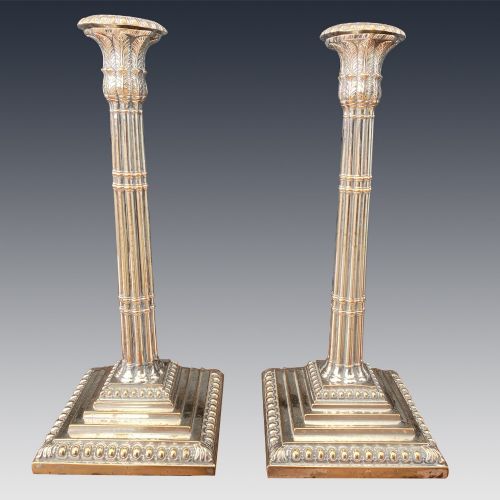
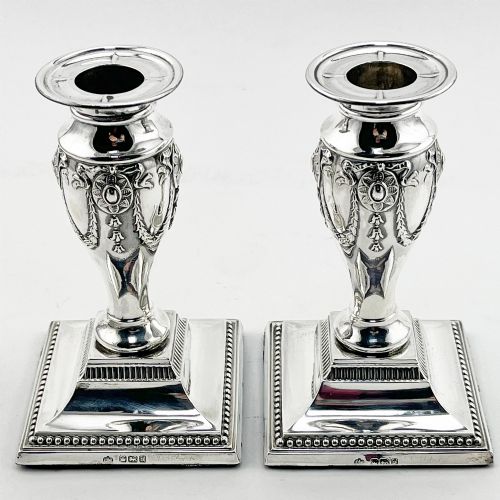
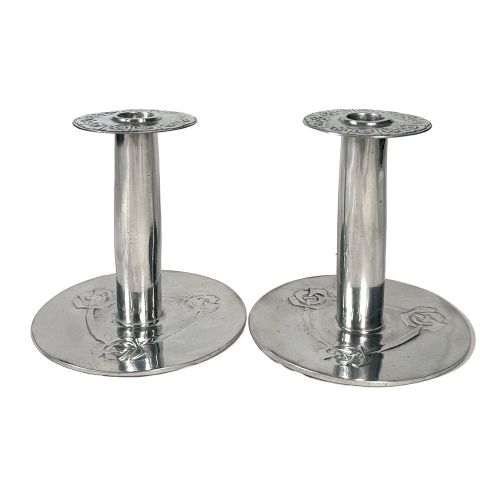
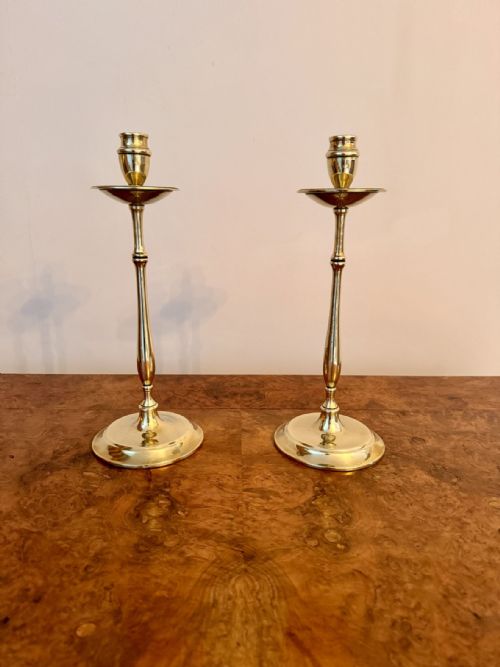
Pair Taper Holders
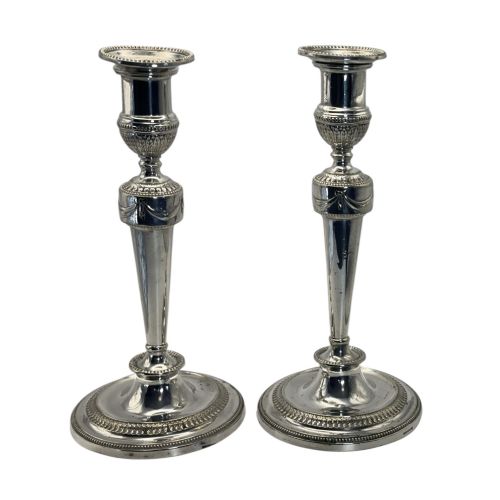
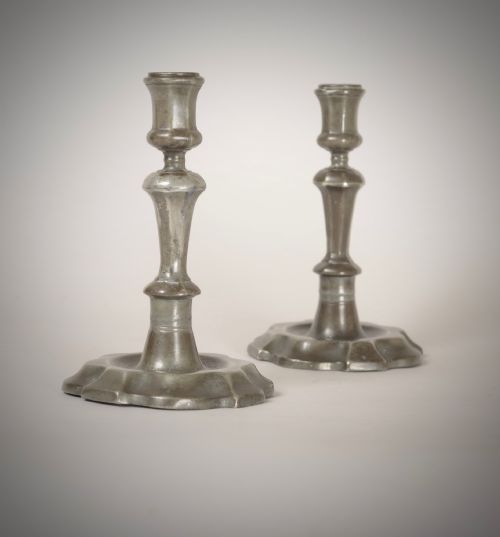
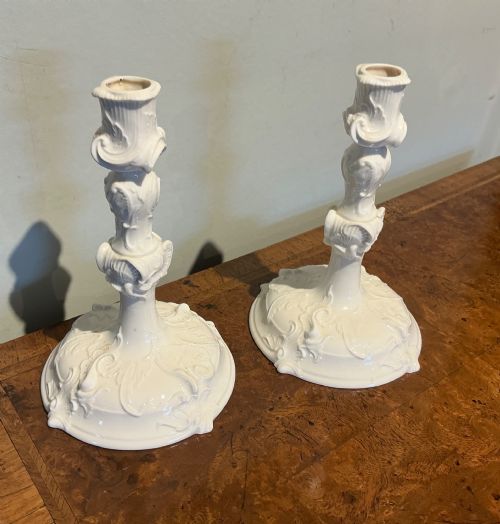
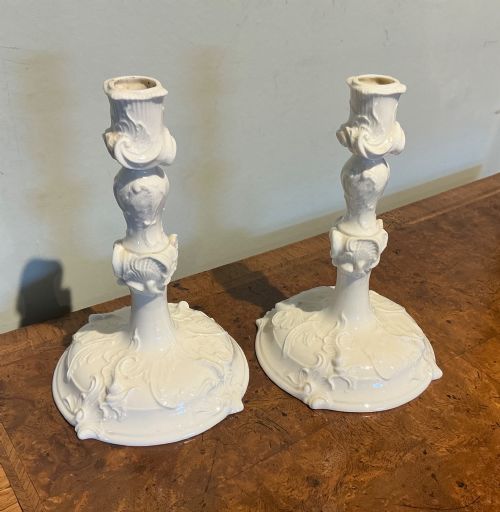
Pair antique taper holders bring domestic illumination from past centuries into rooms today through cast metals and porcelain.
Pair Taper Holders
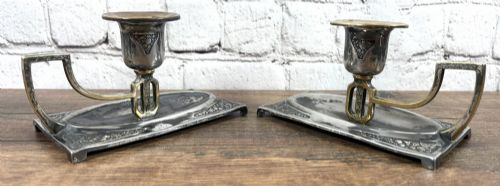
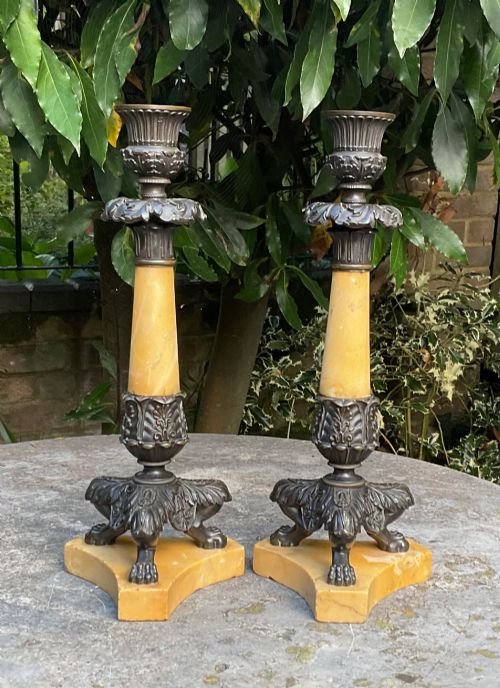
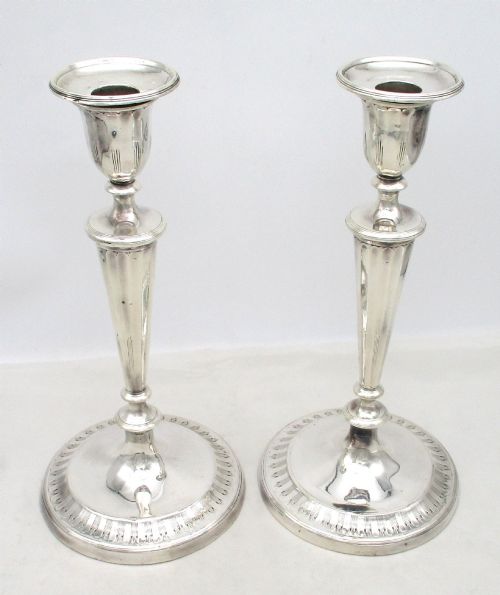
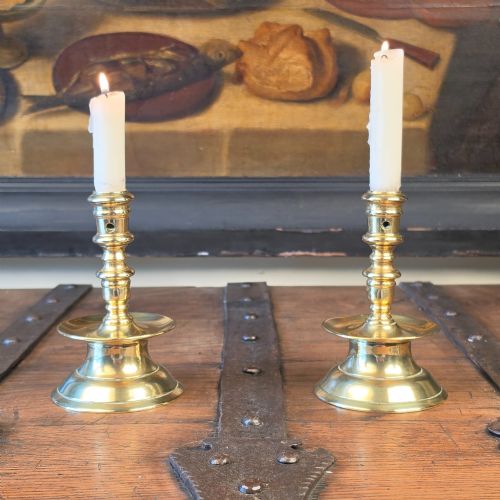
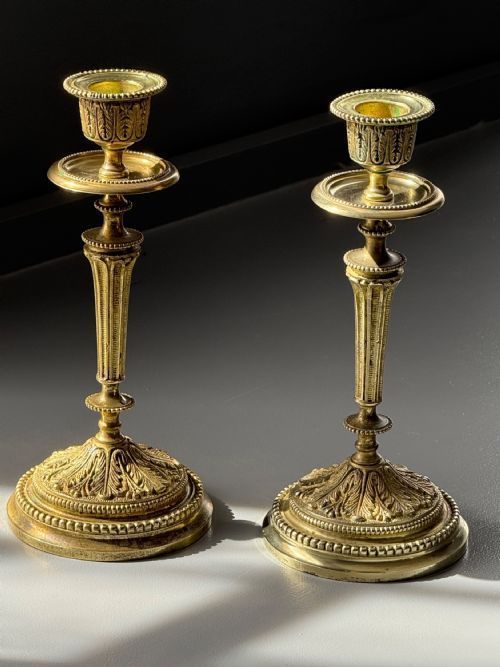
Pair antique taper holders encompass small domestic lighting objects designed for narrow wax candles, appearing across periods from the eighteenth century through the early twentieth century. Buyers seeking this phrase encounter candlesticks formed in brass, silver plate, pewter, sterling silver, bronze, metal, porcelain, and enamel.
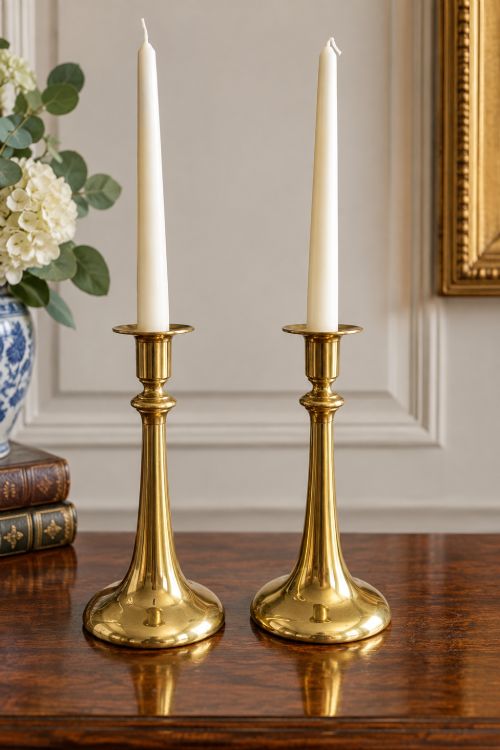
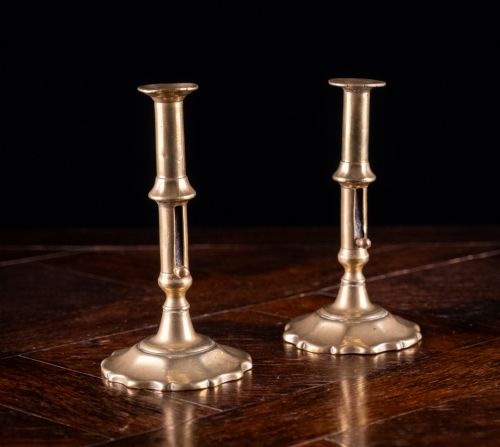
The selection ranges from Georgian brass petal bases and seamed ejector designs to Victorian silver plated figural pieces, Edwardian sterling columns, and porcelain examples from factories like Nymphenburg and Worcester. These items reflect stylistic shifts across Georgian, Regency, Victorian, Edwardian, Art Deco, and Neoclassical movements.
How they were made
Metal examples utilise casting techniques, as seen in cast bronze, brass, and pewter components, alongside sheet metal construction in Old Sheffield plate and silver plating over base metals. Brass pieces often employ seamed construction or petal base shaping from the eighteenth and nineteenth centuries.
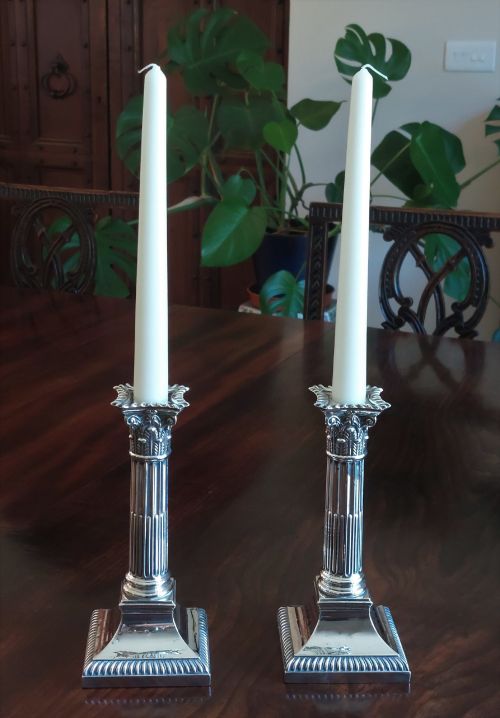
Ceramic versions involve porcelain bodies moulded with foliage patterns or figural details, frequently finished with hand-painted enamel decoration. Silver and silver-plated items incorporate smithing, chasing, and columnar architectural forms such as Corinthian orders.
Certain Victorian examples incorporate tortoiseshell alongside pewter, proving that even eighteenth-century lighting possessed an eye for unexpected textures.
What varies in quality
The distinction between standard production and superior examples rests upon crispness of cast detail, weight of metal, and subtlety of surface finish. Heavier cast brass and sterling silver demonstrate substantial material use, whereas plated items depend on the integrity of the silver layer over base metal.
Artistic execution in porcelain modeling and hand-applied enamel work separates ordinary domestic wares from factory productions originating from notable makers like Worcester or Nymphenburg. Proportions, decorative restraint, and originality of components govern the overall standing of each piece.
Mappin & Webb·Ridgway·Barr Flight And Barr·WMF
The Pair Taper Holders Glossary
- Ejector candlestick
- A brass candlestick containing an internal sliding mechanism designed to push out remaining candle stubs. This device utilises a small side button linked to an internal disc.
- Old Sheffield plate
- A composite material formed by fusing a thin sheet of silver to a thicker copper base. This technique preceded modern electroplating methods.
- Corinthian column
- An architectural order featuring an ornate capital decorated with acanthus leaves. Candlesticks styled in this manner mimic classical stone pillars.
- Taper holder
- A small candlestick intended specifically for narrow wax tapers used for sealing letters or lighting pipes. These holders feature suitably diminutive sockets and drip pans.
- Seamed construction
- A method where metal components are joined along a visible seam line during fabrication. This technique indicates older manufacturing processes prior to seamless extrusion.
Pair Taper Holders: Frequently Asked Questions
What is the difference between candlesticks and taper holders?
Candlesticks accommodate standard household candles designed for general illumination in rooms.
Taper holders feature smaller sockets built specifically for thin wax tapers historically used for sealing letters or lighting fires.
How do I identify Georgian brass taper holders?
Georgian examples often display characteristic casting methods such as seamed shafts and multi-lobed petal bases.
They utilise heavy brass alloys that develop a deep patina through centuries of handling and cleaning.
Can I use modern candles in antique holders?
Modern commercially manufactured candles frequently vary in diameter compared to historical hand-dipped or moulded wax lights.
Matching the correct base size prevents instability, though small adjustments using paper or wax rings secure loose fittings safely.
How should I clean silver plated taper holders?
Silver plated items require gentle cleaning with non-abrasive silver cloths to preserve the thin metallic surface layer.
Harsh chemical dips strip away remaining plating and damage underlying base metals permanently.